

What is Metallurgical Coal Powder Material Pneumatic Conveying? What Are the Design Principles?
Metallurgical coal powder material pneumatic conveying is a sophisticated industrial process that enables the efficient and safe transportation of fine coal powders, which are indispensable raw materials in steelmaking and other metallurgical operations. Unlike traditional mechanical conveying methods, such as belt conveyors or bucket elevators, pneumatic conveying utilizes air or gas streams to move the powder through a pipeline system. This approach offers several advantages, including reduced risk of material degradation, lower energy consumption, and improved safety by eliminating the need for moving parts that can pose hazards in dusty environments. The technology is particularly critical in metallurgical applications where the quality and purity of the coal powder must be maintained throughout the transportation process.
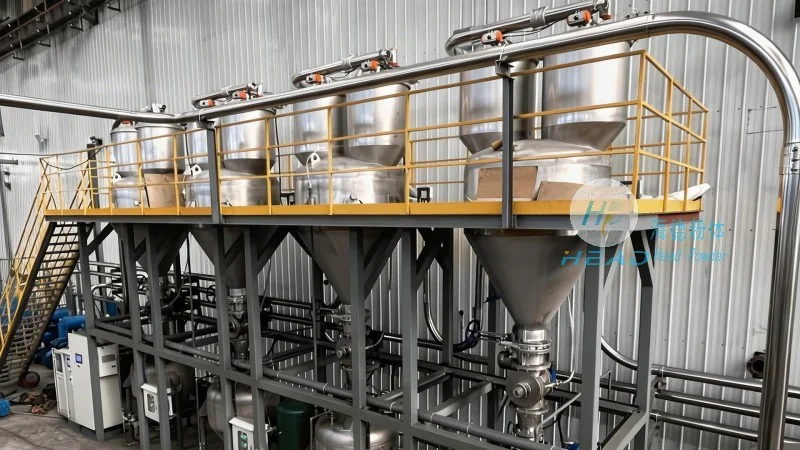
Understanding Pneumatic Conveying Systems for Metallurgical Coal Powders
Pneumatic conveying systems for metallurgical coal powders operate on the principle of using differential pressure to move the material. The system typically consists of a hopper, a conveyor line, and a receiver. The hopper holds the coal powder, and when the conveying system is activated, air is introduced into the hopper, creating a low-pressure zone that draws the powder into the pipeline. The air then transports the powder to the receiver, where it is collected. The design of the system must consider factors such as the particle size distribution, moisture content, and flow characteristics of the coal powder to ensure efficient and reliable operation. For example, systems handling fine, dry coal powders may require higher air velocities to maintain suspension, while systems with coarser or more abrasive powders may need larger pipelines and more robust components to prevent wear and blockages.
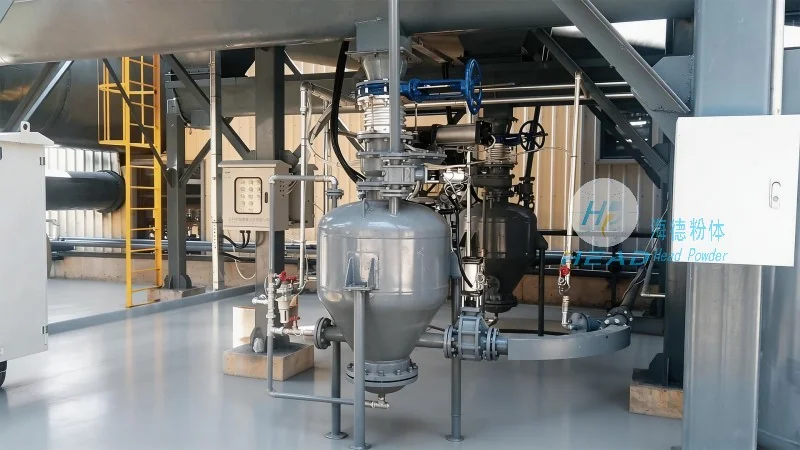
Key Design Principles for Efficient Metallurgical Coal Powder Conveying
The design of a pneumatic conveying system for metallurgical coal powders requires careful consideration of several key principles. First, the system must be capable of handling the specific properties of the coal powder, including its density, abrasiveness, and potential for dust generation. The pipeline design, including the diameter and material of the pipes, is critical to prevent blockages and ensure smooth flow. For instance, stainless steel or abrasion-resistant materials are often used for pipelines handling highly abrasive coal powders to extend service life. Second, the air velocity and pressure must be optimized to maintain the powder in a suspended state without causing excessive wear on the system components. This balance is crucial for both efficiency and longevity. Third, the system should incorporate features such as pulse-jet cleaning or self-cleaning filters to maintain performance over time and prevent clogging. These design principles are essential to ensure the long-term reliability and efficiency of the conveying system, particularly in high-demand metallurgical environments.
Role of HeadPowder in Metallurgical Coal Powder Pneumatic Conveying Solutions
Shandong HeadPowder Engineering Co., Ltd., commonly known as HeadPowder, is a leading provider of specialized equipment and systems for metallurgical coal powder material pneumatic conveying. With a focus on engineering excellence and customer-centric solutions, HeadPowder designs and manufactures custom pneumatic conveying systems tailored to the unique requirements of metallurgical applications. The company's expertise lies in understanding the complex behavior of coal powders and translating that knowledge into robust, reliable systems. HeadPowder's solutions are designed to meet the demanding standards of the steel and metallurgical industries, ensuring safe and efficient transportation of coal powders from storage to processing facilities. By leveraging advanced materials and innovative design approaches, HeadPowder delivers systems that enhance productivity while minimizing operational risks and maintenance costs.
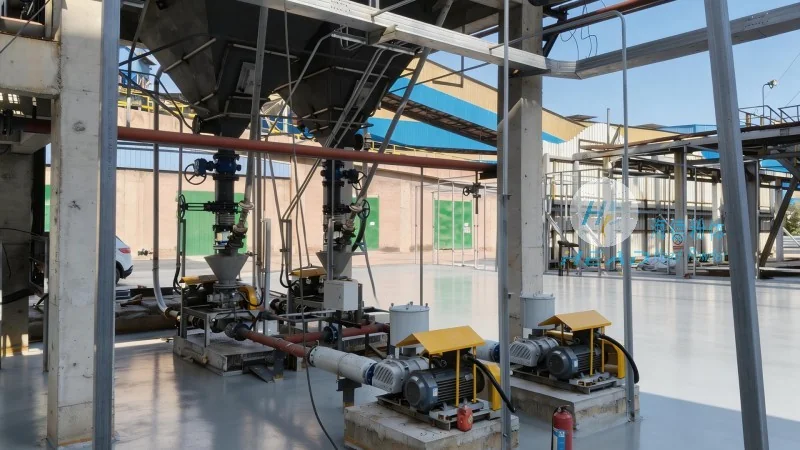
Addressing Common Challenges in Metallurgical Coal Powder Conveying
Despite the benefits of pneumatic conveying, several challenges can arise in the handling of metallurgical coal powders. One common issue is the formation of agglomerates or clumps, which can cause blockages in the pipeline. To address this, HeadPowder incorporates features such as agitators or vibration systems in their designs to maintain the powder in a free-flowing state. Another challenge is the potential for dust generation, which can impact worker safety and environmental compliance. HeadPowder's systems are equipped with dust collection and filtration systems to minimize dust emissions and ensure compliance with environmental regulations. Additionally, the abrasive nature of coal powders can lead to wear on system components, particularly in the pipeline and valve areas. HeadPowder uses high-quality materials and coatings to extend the lifespan of these components and reduce maintenance costs. Through continuous research and development, HeadPowder adapts its solutions to emerging challenges, ensuring that clients receive cutting-edge technology for their coal powder conveying needs.