Resin material pneumatic conveying is a technology used to transport resin powders or granules through a pipeline using air or gas as the conveying medium. This method is widely applied in the chemical, pharmaceutical, and plastic industries due to its efficiency and ability to handle fine or abrasive materials. Understanding the fundamental principles and design considerations of such systems is crucial for optimizing performance and ensuring reliable operation.
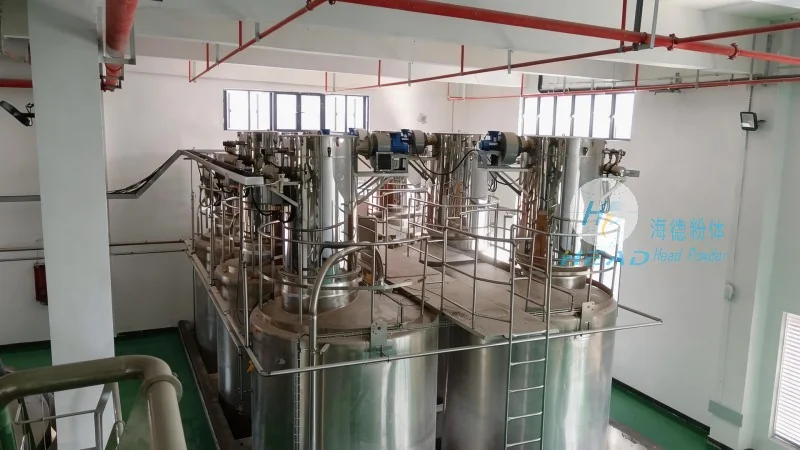
Introduction to Resin Material Pneumatic Conveying
Resin material pneumatic conveying involves the movement of resin particles, such as polyethylene, polypropylene, or other thermoplastic resins, through a closed or open pipeline system. The process relies on the force generated by air or gas to lift, transport, and deposit the resin material. This technique is particularly advantageous for materials that are difficult to handle with traditional mechanical conveyors, as it minimizes product degradation and contamination.
Key Design Principles of Pneumatic Conveying Systems
The design of a resin material pneumatic conveying system must consider several critical factors to ensure optimal performance. These include the material characteristics of the resin, the conveying distance and elevation, the required flow rate, and the system's pressure and velocity requirements. Proper system design balances these variables to achieve efficient material transport while minimizing energy consumption and wear on components.
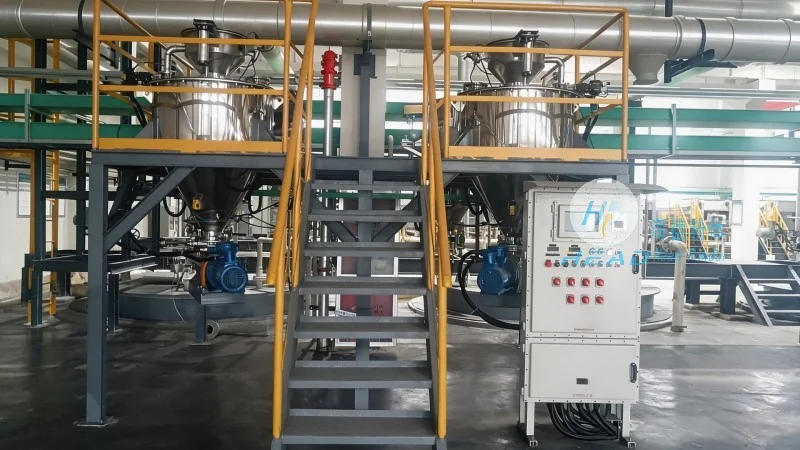
Components of a Typical Resin Pneumatic Conveying System
A standard resin material pneumatic conveying system consists of several key components. These typically include a material feeder to introduce the resin into the pipeline, a conveying line (often with bends and elbows), a receiver to collect the material at the destination, and a blower or compressor to generate the air or gas flow. Additional components may include filters, cyclones for separation, and control valves to regulate the system's operation.
Advantages of Resin Material Pneumatic Conveying
Implementing pneumatic conveying for resin materials offers numerous benefits. These include reduced product contamination, improved safety by eliminating manual handling, and the ability to transport materials over long distances or vertical elevations. The system also allows for precise control over flow rates and can be integrated with other processing equipment, enhancing overall production efficiency.
Considerations for System Sizing and Selection
When selecting or designing a resin material pneumatic conveying system, engineers must carefully evaluate the specific requirements of the application. This involves determining the appropriate air velocity, pressure drop, and system capacity based on the resin's bulk density, particle size, and flow characteristics. Proper sizing ensures that the system operates within its optimal range, preventing issues such as blockages or excessive energy consumption.
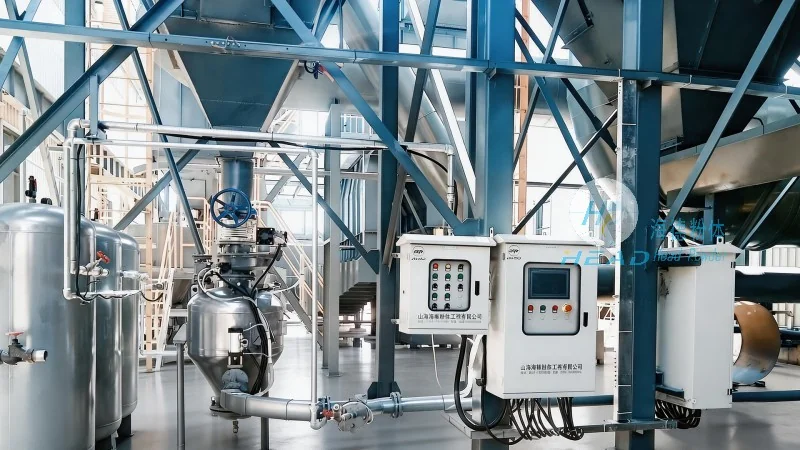
Application Examples in the Industry
Resin material pneumatic conveying is commonly used in various industrial applications. For instance, in the plastic manufacturing sector, it is employed to transport resin powders from storage silos to extrusion or molding machines. In pharmaceutical production, it facilitates the handling of resin-based excipients or active ingredients, ensuring a clean and controlled process. These applications highlight the versatility and effectiveness of pneumatic conveying in handling resin materials.
Conclusion
Resin material pneumatic conveying is a sophisticated and efficient method for transporting resin powders and granules. By adhering to proper design principles and system considerations, industries can achieve reliable, low-maintenance material handling solutions. As a leading provider in this field, Shandong HeadPowder Engineering Co., Ltd. specializes in designing and manufacturing pneumatic conveying systems tailored to the unique needs of resin material processing, with operations based in Shandong, China.




