

Working Principle and Features of Dry Dust Removal System Equipment
The dry dust removal system equipment plays a pivotal role in modern industrial air purification, serving to eliminate particulate contaminants from exhaust gases without the use of water. This technology is indispensable for industries such as cement production, thermal power generation, and metallurgical processing, where high dust concentrations pose significant challenges to air quality and equipment longevity. By effectively capturing and removing dust, these systems not only comply with stringent environmental regulations but also enhance workplace safety and operational efficiency.
Working Principle of Dry Dust Removal Systems
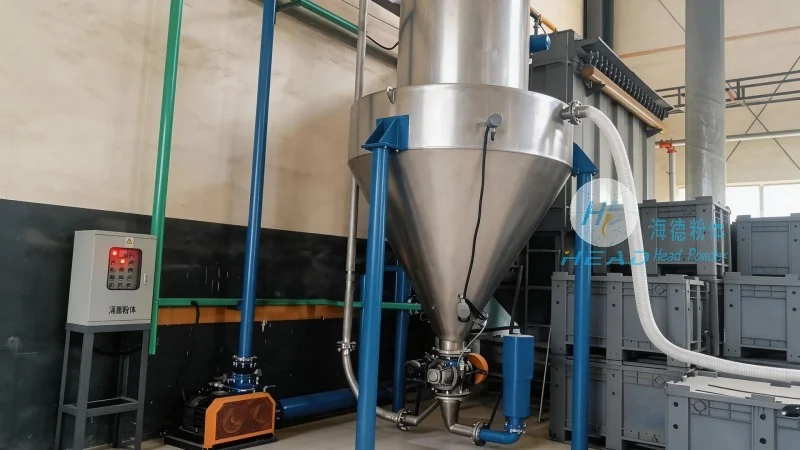
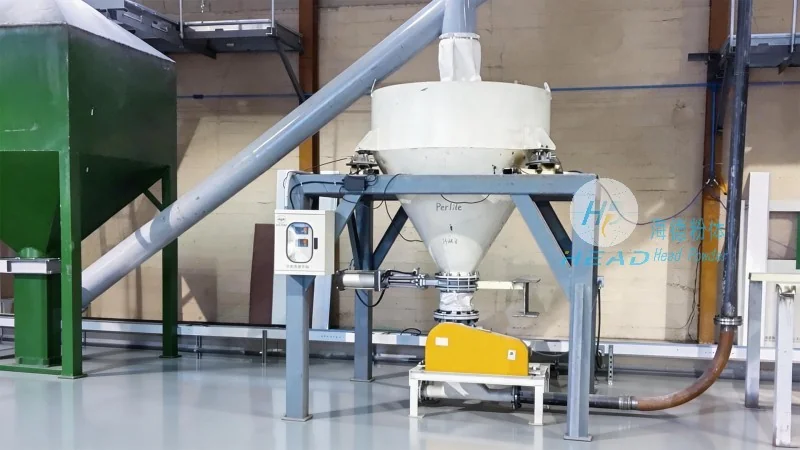
The working principle of dry dust removal systems is based on a multi-stage filtration process. Initially, contaminated air is drawn into the system via a high-efficiency fan or blower, which creates the necessary airflow to transport dust particles. The air then enters a primary separation stage, often utilizing cyclonic action to separate larger dust particles through centrifugal force. Subsequent stages may involve electrostatic precipitators (ESPs) or fabric filters, which further capture finer particles. Electrostatic precipitators charge dust particles and attract them to charged plates, while fabric filters use a mesh or bag to trap particles as air passes through. The collected dust is then discharged in a dry state, typically collected in a hopper for disposal or recycling. Advanced systems incorporate sensors and automated controls to monitor performance, adjust airflow, and maintain optimal dust removal efficiency.
Key Features of Dry Dust Removal Systems
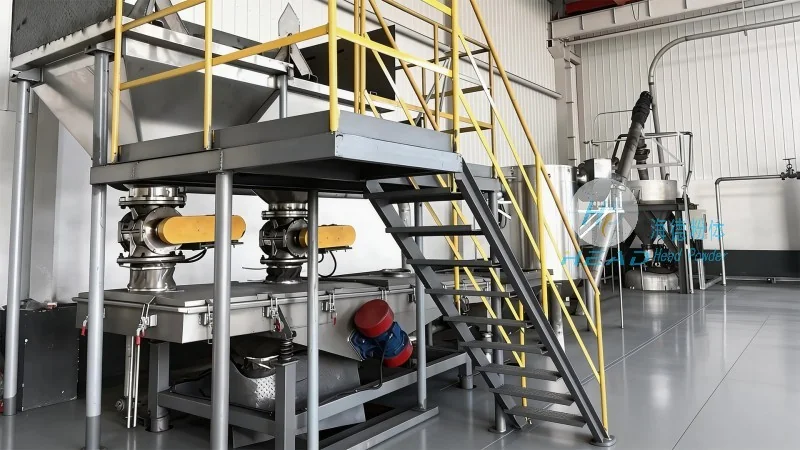
Key features of dry dust removal systems include exceptional dust capture efficiency, particularly for particles smaller than 10 micrometers. These systems are engineered for low maintenance, with self-cleaning mechanisms that reduce the frequency of manual cleaning. Another critical feature is their energy efficiency, as they consume less power compared to wet dust removal methods, which rely on water sprays and additional processing. The environmental benefits are also significant, as dry systems do not generate wastewater, making them suitable for industries with strict water usage and discharge regulations. Furthermore, their compact design allows for easy integration into existing industrial facilities, and they can be customized to accommodate varying dust loads and particle sizes.
About Shandong HeadPowder Engineering Co., Ltd.
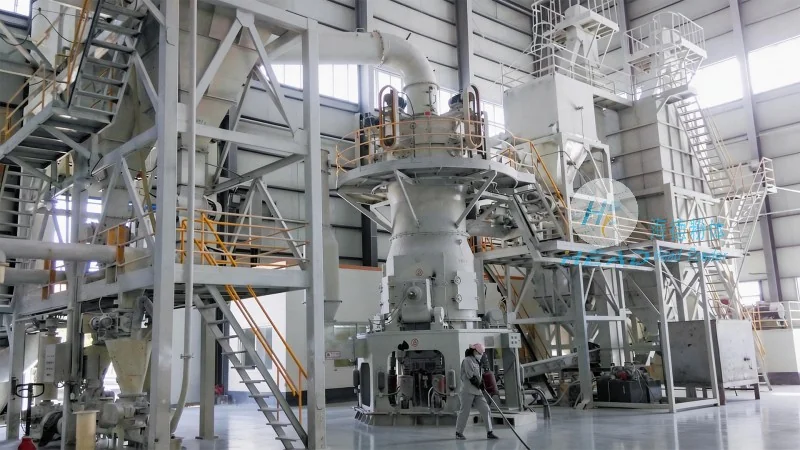
Shandong HeadPowder Engineering Co., Ltd. is a prominent provider of advanced dry dust removal solutions, dedicated to delivering high-quality equipment that meets the evolving needs of industrial clients. HeadPowder specializes in the design, manufacturing, and installation of customized systems tailored to specific industrial applications. The company's team of engineers and technicians leverages years of experience to develop innovative solutions that enhance dust removal performance while minimizing operational costs. With a focus on durability and reliability, HeadPowder's systems are built to withstand harsh industrial conditions, ensuring long-term service life and consistent performance.