

[W]Working Principle and Features of Automatic Blending and Pneumatic Conveying for Material Prepara
HeadPowder, a leading manufacturer in the field of material handling and processing, specializes in providing advanced solutions for automatic blending and pneumatic conveying systems. Based in Shandong, China, the company has established itself as a trusted partner for industries requiring efficient and reliable material preparation processes.
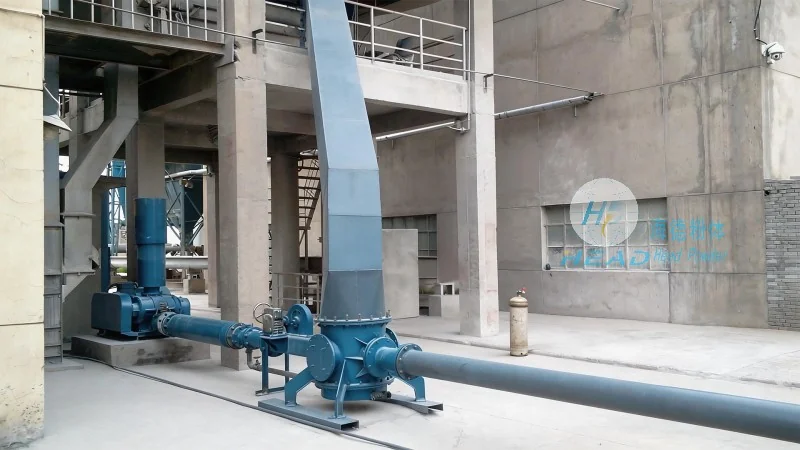
Understanding the Working Principle of Automatic Blending and Pneumatic Conveying
The core of an automatic blending and pneumatic conveying system lies in its integrated approach to material handling. The process typically begins with the storage of raw materials in bulk containers or silos. These materials are then fed into a series of hoppers or feeders, which control the flow rate of each ingredient. The system uses a combination of mechanical and pneumatic components to ensure precise and consistent blending. Air is introduced into the conveying line, creating a pressure differential that propels the material through the system. This pneumatic action allows for the transport of dry powders and granules over long distances with minimal loss and high efficiency. The blending process involves mixing different components in the correct proportions, often using a dynamic or static mixer, to achieve the desired product characteristics. The entire operation is automated, with sensors and control systems monitoring the flow rates, pressure, and other critical parameters to maintain optimal performance.
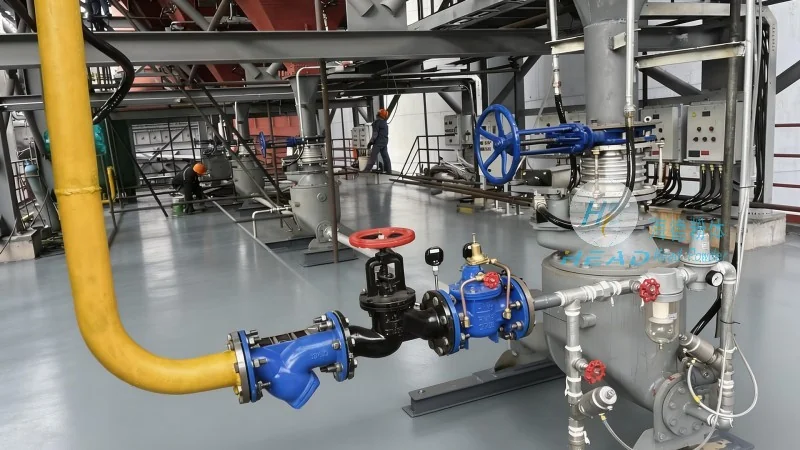
Key Features of the Automatic Blending and Pneumatic Conveying System
One of the primary features of this system is its high degree of automation, which reduces human intervention and minimizes the risk of errors in material proportioning. The system is designed to handle a wide range of materials, including fine powders, coarse granules, and even sticky or cohesive substances, thanks to its adjustable feed mechanisms and specialized hoppers. Another notable feature is its energy efficiency. By optimizing the air pressure and flow rates, the system minimizes energy consumption while maintaining high conveying speeds. The compact design of the equipment allows for easy installation in existing production facilities, making it a versatile solution for various industrial applications. Additionally, the system offers excellent scalability, allowing businesses to expand their operations by adding more material lines or increasing the capacity of existing components without significant modifications. The robust construction ensures long-term reliability, with minimal maintenance requirements, which contributes to lower operational costs over time.
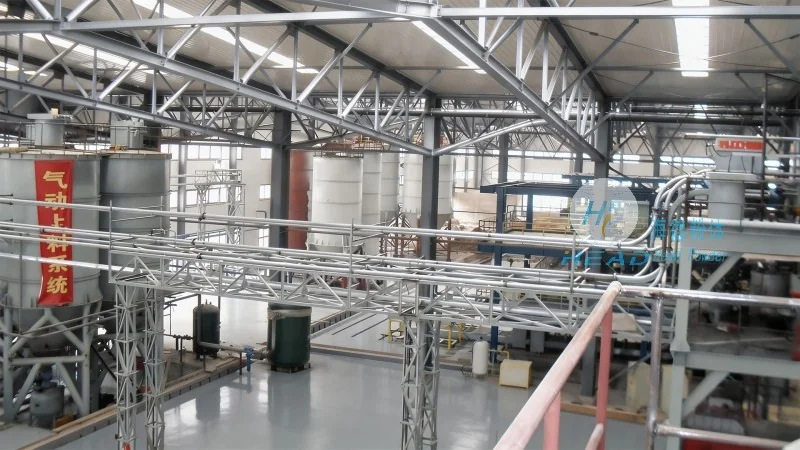
Benefits for Industrial Applications
Implementing an automatic blending and pneumatic conveying system brings numerous benefits to industrial operations. The most significant advantage is the improvement in product consistency and quality. By ensuring precise proportioning of each ingredient, the system eliminates variations that can occur with manual blending, leading to more uniform end products. This is particularly important in industries such as pharmaceuticals, food processing, and chemical manufacturing, where product specifications are critical. Another key benefit is increased productivity. The automated process allows for continuous operation, reducing downtime and increasing the throughput of materials. This leads to higher production rates and better utilization of production resources. Furthermore, the system enhances safety in the workplace by minimizing the exposure of workers to dust and other airborne particles, as the conveying process is enclosed and controlled. The reduced need for manual handling also lowers the risk of workplace injuries, contributing to a safer working environment. From a cost perspective, the system offers long-term savings through lower labor costs, reduced material waste, and lower energy consumption compared to traditional methods of material handling.
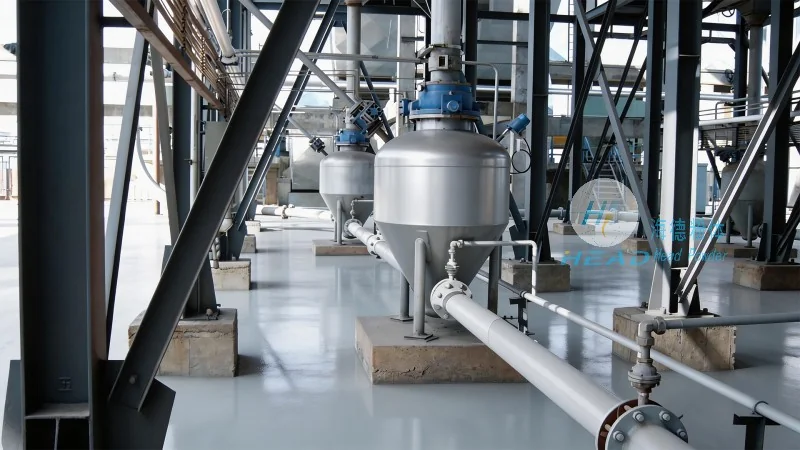
Conclusion
HeadPowder's automatic blending and pneumatic conveying system represents a sophisticated solution for modern material preparation needs. By combining advanced automation, efficient pneumatic technology, and robust design, the system delivers reliable performance and consistent results. The company's commitment to quality and innovation ensures that clients receive a product that meets their specific requirements and enhances their operational efficiency. For industries seeking to optimize their material handling processes, this system offers a proven and effective solution that can drive productivity and improve product quality.