Classification and Composition of White Ash Pneumatic Conveying Systems
Release time:2026-09-14 10:38:20
name of the company:Shandong Headpowder Engineering Co., Ltd.
telephone:156-6277-7102
contacts:Zhang manager
White ash, a byproduct of coal combustion, is commonly used in industrial processes such as cement production, construction materials manufacturing, and environmental remediation. The efficient and reliable transport of white ash from storage or processing areas to processing facilities is crucial for maintaining production efficiency and minimizing operational costs. Pneumatic conveying systems have emerged as a preferred solution for handling white ash due to their ability to transport bulk materials over long distances with minimal environmental impact and reduced labor requirements. This article provides an overview of the classification and key components of white ash pneumatic conveying systems, highlighting the technological advancements and practical applications in industrial settings. Shandong HeadPowder Engineering Co., Ltd., a leading manufacturer based in Shandong, China, specializes in the design, manufacturing, and installation of advanced pneumatic conveying systems tailored to the unique needs of white ash handling industries.
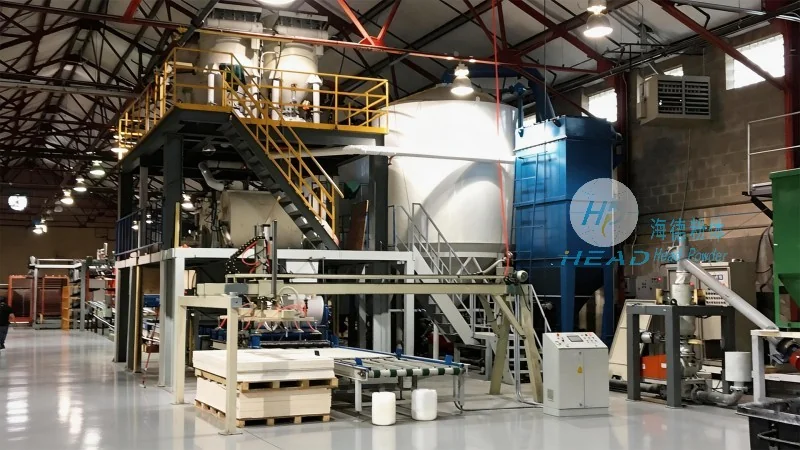
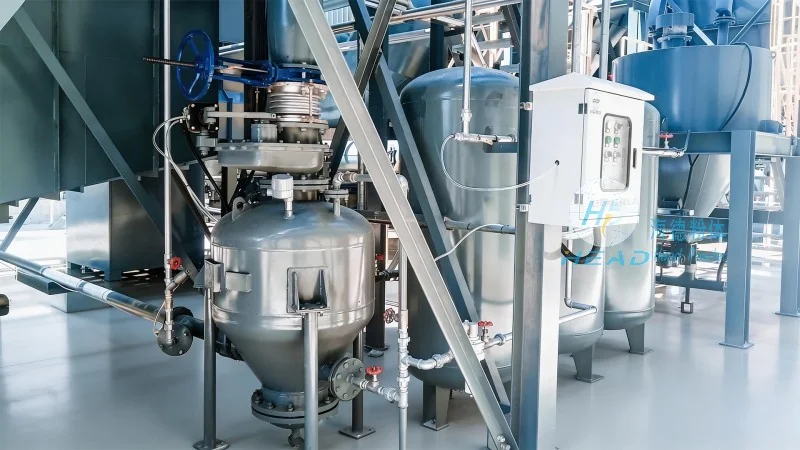
Classification of Pneumatic Conveying Systems for White Ash
White ash pneumatic conveying systems can be broadly classified into two main categories based on the method of material transport: aspiration (or suction) systems and pressure (or blow) systems. Each type has distinct characteristics, operational principles, and suitability for different white ash handling scenarios.
Aspiration systems utilize a vacuum to draw white ash from the source to the processing unit. These systems are typically used for short to medium-distance transport and are ideal for applications where the material is located at a lower elevation than the processing equipment. The primary components of an aspiration system include a vacuum pump, a hopper or feeder, a conveying pipe, and a separator. The vacuum pump creates a negative pressure that pulls the white ash particles into the pipe, where they are carried by the air flow to the destination. Aspiration systems are generally more cost-effective for low to medium flow rates and are suitable for handling fine or dusty white ash particles.
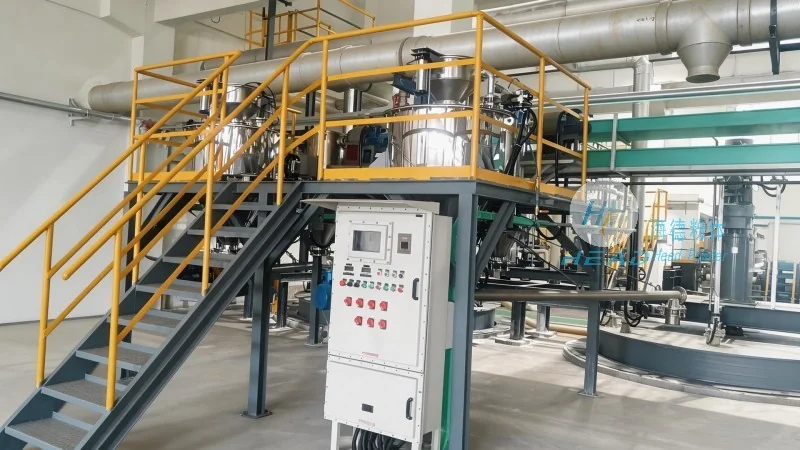
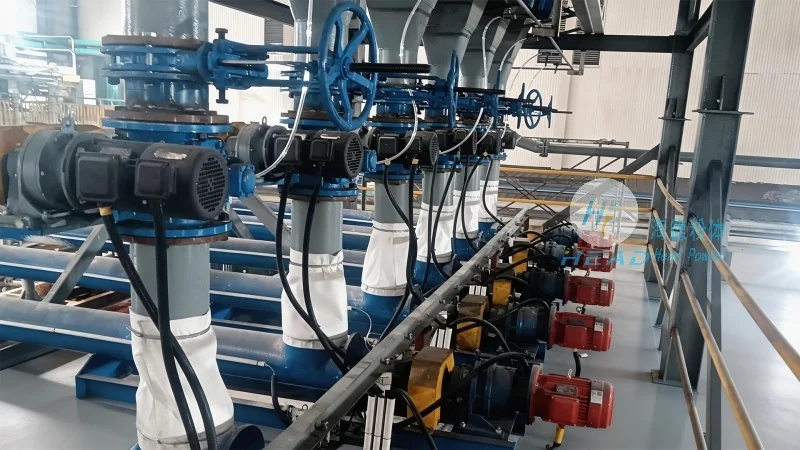
Pressure systems, on the other hand, use compressed air to push white ash from the source to the processing unit. These systems are commonly employed for longer distances and higher flow rates, as they can maintain a positive pressure throughout the entire conveying line. Pressure systems are more complex and require higher initial investment but offer greater flexibility in terms of layout and material handling capacity. The key components of a pressure system include a blower or compressor, a feeder, a conveying pipe, and a separator. The compressed air is introduced at the inlet of the pipe, creating a positive pressure that propels the white ash particles through the system. Pressure systems are particularly effective for handling coarse or bulk white ash materials and can be configured for both horizontal and vertical transport.




