Shandong HeadPowder Engineering Co., Ltd., located in Shandong, China, specializes in the design, manufacturing, and integration of advanced material handling systems tailored for the fine chemical industry. These systems are engineered to handle sensitive and high-value chemical substances with precision, ensuring optimal performance and safety throughout the material transfer process. The equipment is crucial for industries that require meticulous control over chemical handling, such as pharmaceuticals, specialty chemicals, and research laboratories.
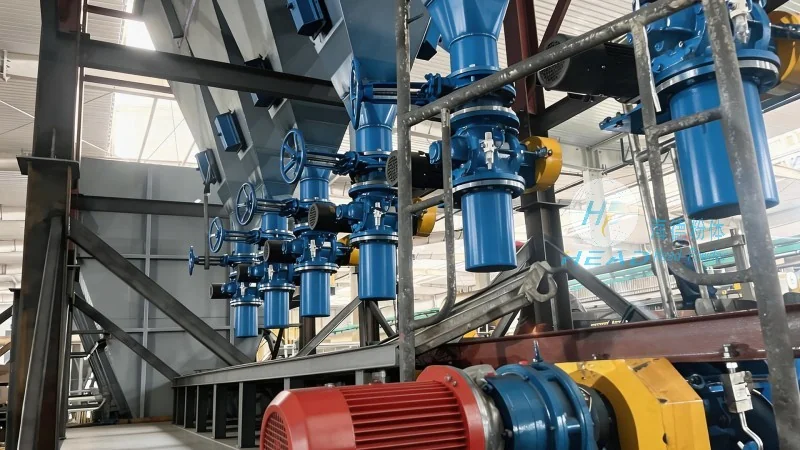
Key Components of the Material Handling System
The fine chemical material handling system typically consists of several integrated components, each playing a vital role in the overall operation. These components include high-precision pumps, specialized valves, and advanced control panels. The pumps are designed to handle viscous or corrosive chemicals, ensuring consistent flow rates without degradation of the material. The valves, often equipped with automated actuation systems, regulate the flow direction and pressure, allowing for precise control over the material's movement. Additionally, the control panels integrate sensors and monitoring systems that provide real-time data on system performance, enabling operators to adjust parameters as needed to maintain optimal conditions.
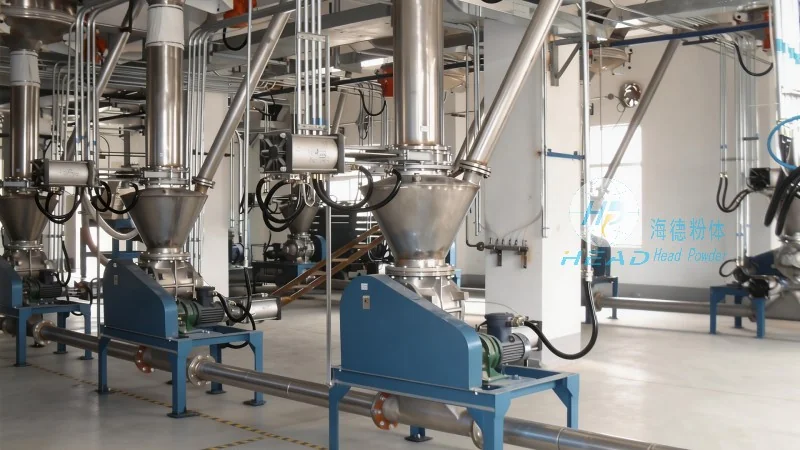
Working Principle of the Equipment
The working principle of the fine chemical material handling system is based on a closed-loop control system that ensures seamless and safe material transfer. The process begins with the loading of the chemical into the storage tank or hopper. From there, the material is pumped through a network of pipes and tubes, guided by the automated valves. The system uses positive displacement pumps or centrifugal pumps, depending on the specific characteristics of the chemical, to maintain a stable flow. Sensors embedded in the system continuously monitor parameters such as pressure, temperature, and flow rate, feeding this data into the control panel. The control panel then processes the information and adjusts the pump speed or valve position to maintain the desired operating conditions. This closed-loop feedback mechanism ensures that the material is transferred efficiently while minimizing the risk of spills or contamination.
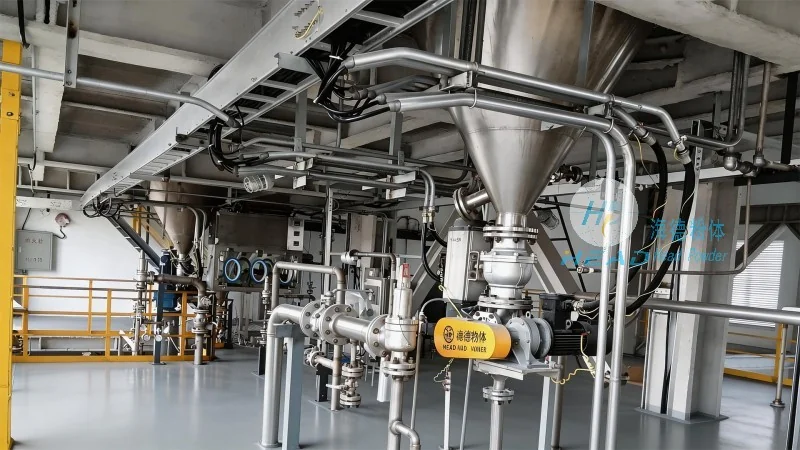
Operation Process: From Loading to Discharge
The operation process of the fine chemical material handling system involves several sequential steps, each designed to ensure the safe and efficient transfer of materials. The first step is the loading of the chemical into the storage vessel. This is typically done using a loading arm or a dedicated loading system that connects to the storage tank. Once the tank is filled, the system transitions to the transfer phase. The pump is activated, and the material is pumped through the piping network to the destination vessel or processing unit. During this phase, the automated valves open and close as needed to direct the flow and maintain pressure. The control panel continuously monitors the system, adjusting pump speed or valve position to maintain optimal flow rates. The process concludes with the discharge of the material into the receiving container. The system then returns to a standby mode, ready for the next cycle. This entire process is typically automated, reducing the need for manual intervention and minimizing the risk of human error.
Advantages of the Fine Chemical Material Handling System
Implementing a fine chemical material handling system offers numerous advantages for industrial operations. Firstly, the system enhances safety by minimizing direct human contact with hazardous chemicals. The closed-loop design reduces the risk of spills and leaks, which can be costly and environmentally damaging. Secondly, the precision control provided by the system ensures consistent material quality, which is critical in the fine chemical industry where product purity is paramount. The automated control panels allow for real-time monitoring and adjustment, enabling operators to respond quickly to any deviations from the desired parameters. Additionally, the system improves operational efficiency by reducing downtime and increasing throughput. By eliminating manual handling and reducing the need for frequent system adjustments, the equipment allows for continuous operation, leading to higher productivity and lower operational costs.
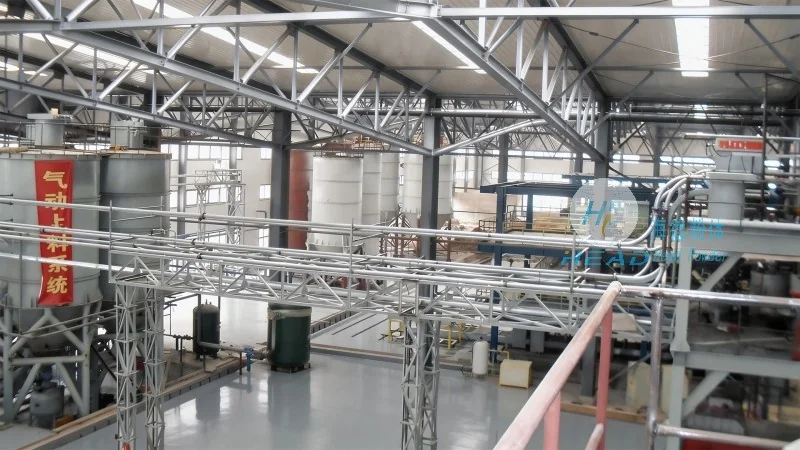
Applications in the Fine Chemical Industry
The fine chemical material handling system is widely used in various applications within the fine chemical industry. In pharmaceutical manufacturing, the system is used to transfer active pharmaceutical ingredients (APIs) and excipients with high precision, ensuring that the final product meets stringent quality standards. In specialty chemical production, the system handles high-value specialty chemicals, such as agrochemicals and intermediates, where even small variations in concentration can impact product performance. Additionally, the system is used in research laboratories for handling small batches of experimental chemicals, where accuracy and reproducibility are essential. The versatility of the system allows it to be adapted to a wide range of applications, making it a valuable asset for any operation that requires meticulous control over chemical handling.




