

Operation Process and Working Principle of Silicone Powder Material Handling System Equipment
Shandong HeadPowder Engineering Co., Ltd., a leading manufacturer based in Shandong, China, specializes in the design, development, and production of advanced material handling systems tailored for various industrial applications. The company's core focus is on providing efficient and reliable solutions for transporting and processing bulk materials, with a particular emphasis on silicone powder handling equipment. This article delves into the operation process and working principle of the silicone powder material handling system, highlighting the key components, functional mechanisms, and operational efficiency of the equipment.
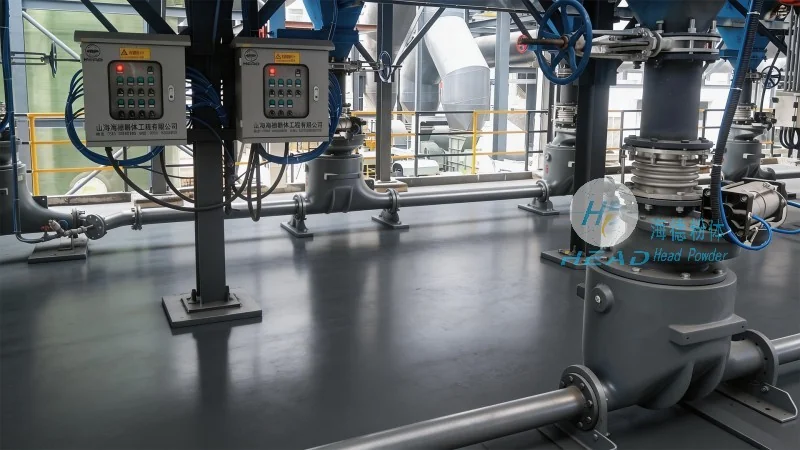
Overview of the Silicone Powder Material Handling System
The silicone powder material handling system is engineered to handle the unique challenges associated with transporting fine, abrasive, and potentially sticky silicone powders. These materials require specialized equipment to ensure minimal dust generation, prevent material degradation, and maintain consistent flow rates. The system integrates multiple components, including feeding mechanisms, conveying systems, and control units, to achieve seamless material transfer from storage to processing or packaging stages.
Key Components and Their Functions
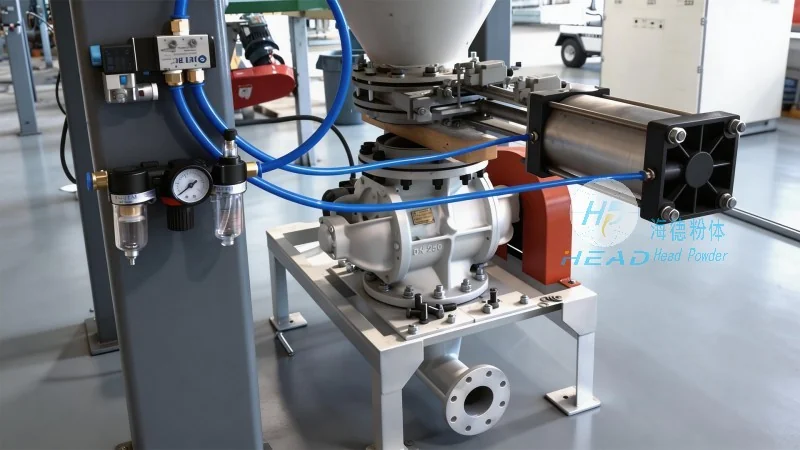
The system comprises several critical components that work in tandem to ensure efficient operation. The primary components include a hopper for material storage, a feeding device such as a rotary valve or screw feeder to regulate material flow, a conveying system (e.g., pneumatic or mechanical conveyor), and a control panel for monitoring and adjusting operational parameters. Each component plays a vital role in maintaining the integrity of the silicone powder and optimizing the overall handling process.
Working Principle of the Material Handling Process
The operation of the silicone powder material handling system begins with the storage of the material in the hopper. The hopper is designed with a sloped bottom to facilitate uniform material discharge. A feeding device, such as a rotary valve, controls the rate at which the powder is released into the conveying system. The conveying system then transports the powder to the next stage of the process, whether it be a mixing unit, a packaging machine, or a storage silo. The control panel allows operators to adjust parameters like feed rate, conveyor speed, and pressure to maintain optimal material flow and prevent blockages or overloading.
Operation Process: Step-by-Step Execution
The operational process of the silicone powder material handling system follows a systematic sequence to ensure smooth and continuous material transfer. The steps include: 1) Material loading into the hopper from a bulk storage container or silo; 2) Activation of the feeding device to start material discharge; 3) Initiation of the conveying system to transport the powder; 4) Monitoring of the system via the control panel to adjust settings as needed; 5) Completion of the transfer to the target destination and shutdown of the system. Each step is designed to minimize downtime and maximize productivity, ensuring that the system operates reliably and efficiently.
Advantages and Benefits of the System
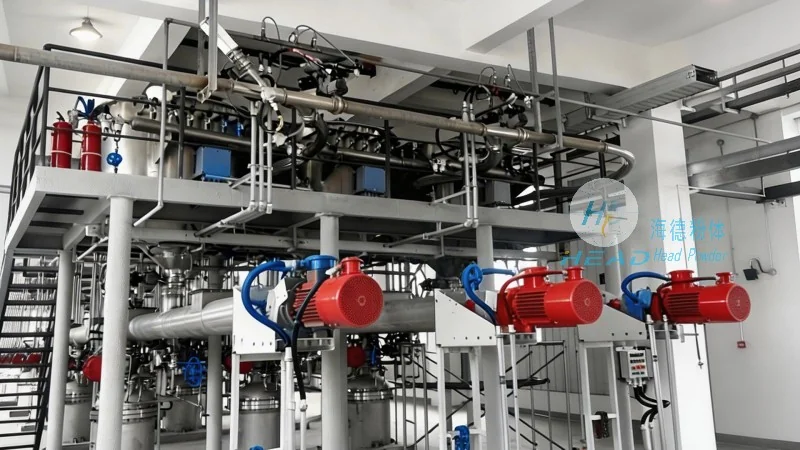
The silicone powder material handling system offers several advantages that make it an ideal choice for industrial applications. These include reduced dust generation, which enhances workplace safety and compliance with environmental regulations; improved material flow control, which prevents clogging and ensures consistent processing; and enhanced system reliability, which minimizes maintenance requirements and operational disruptions. The system's modular design also allows for easy integration with existing production lines and scalability to accommodate varying material volumes.
Application Examples and Industry Use Cases
The silicone powder material handling system is widely used in industries such as silicone manufacturing, pharmaceuticals, and food processing, where the handling of fine powders is critical. For instance, in silicone production, the system efficiently transports raw silicone powders to mixing and molding equipment, ensuring uniform material distribution and consistent product quality. In pharmaceutical applications, the system maintains strict contamination control, adhering to regulatory standards for material handling. The system's versatility makes it suitable for a range of applications, from small-scale laboratory use to large-scale industrial production.
Maintenance and Operational Considerations
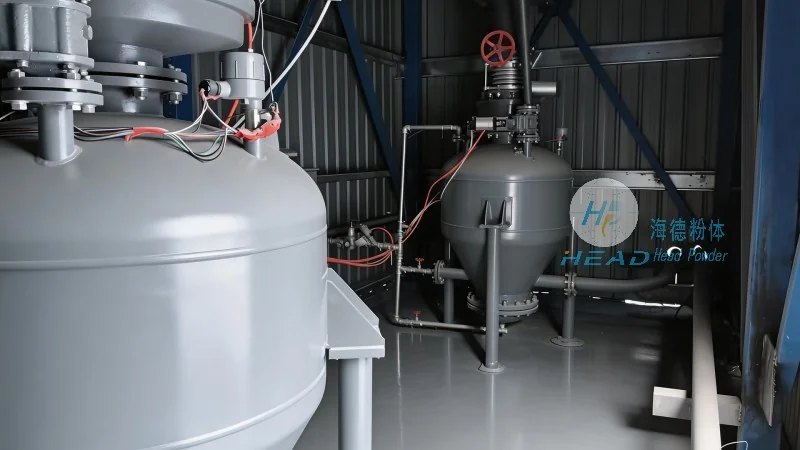
To ensure the long-term performance and reliability of the silicone powder material handling system, regular maintenance and proper operational practices are essential. Key maintenance tasks include cleaning the hopper and feeding mechanisms to prevent material buildup, inspecting conveyor components for wear and tear, and checking the control panel for any malfunctions. Operational considerations include monitoring material moisture content, as high moisture levels can affect flow characteristics and system performance. Additionally, training operators on proper system operation and emergency procedures is crucial to prevent accidents and ensure smooth operation.
Conclusion
Shandong HeadPowder Engineering Co., Ltd.'s silicone powder material handling system exemplifies advanced engineering and industrial design, providing an efficient and reliable solution for transporting and processing silicone powders. The system's integrated components, precise control mechanisms, and robust construction ensure optimal performance in various industrial applications. By adhering to proper maintenance and operational guidelines, the system can deliver consistent results, enhance productivity, and contribute to the overall success of industrial operations.