

What is a Soybean Protein Powder Material Pneumatic Conveying Machine? And What Are Its Design Princ
For those in the food processing industry, especially those dealing with soybean protein powders, the efficient and safe handling of raw materials is a critical concern. The soybean protein powder material pneumatic conveying machine, a specialized piece of equipment, addresses these needs by providing a reliable method for transporting bulk materials like soybean protein powder. This article will explore what this machine is and delve into its design principles, offering insights into how it operates and its significance in modern processing facilities. The information provided is based on the expertise of Shandong HeadPowder Engineering Co., Ltd., a leading manufacturer in the field of material handling equipment.
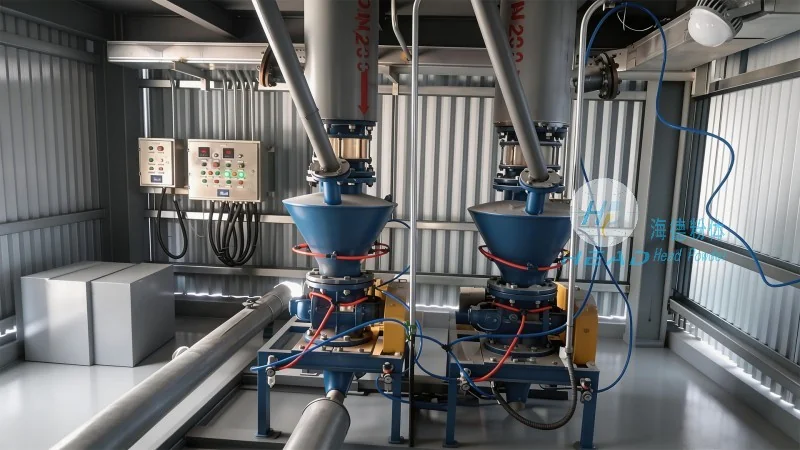
Introduction to Soybean Protein Powder Material Pneumatic Conveying Machines
The soybean protein powder material pneumatic conveying machine is a system designed to transport soybean protein powder and other similar fine powders through a pipeline using air or other gas as the conveying medium. Unlike traditional mechanical conveyors that rely on belts or screws, pneumatic conveyors use pressure differentials to move materials, making them particularly suitable for handling delicate, dust-sensitive, or hygienically sensitive products such as soybean protein powder. This technology is widely adopted in the food and feed industries due to its ability to maintain product integrity, minimize contamination, and ensure a clean, efficient transfer process.
Key Components and Design Principles of the Pneumatic Conveying System
The design of a soybean protein powder material pneumatic conveying machine is built around several core components that work in concert to achieve efficient material transport. The primary components include the hopper for material storage, the conveying line (typically made of stainless steel to ensure hygiene), the air supply system (usually a blower or compressor), and the control system for regulating airflow and pressure. The design principles are centered on maintaining a consistent flow of material and air, preventing blockages, and ensuring that the system operates within safe and efficient parameters.
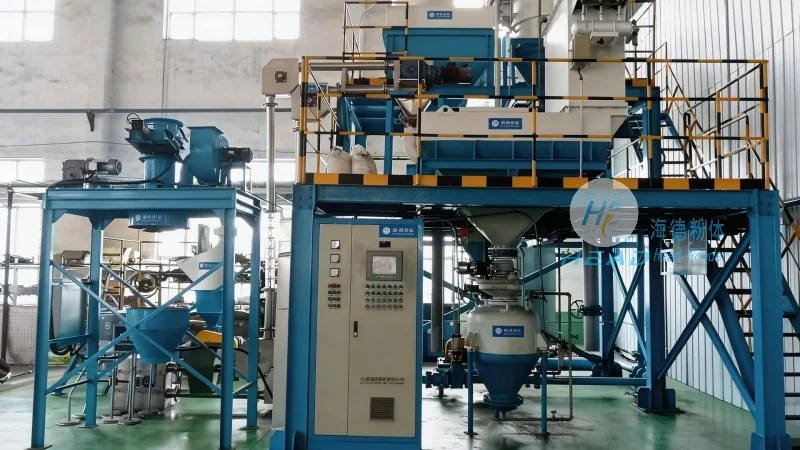
One of the fundamental design principles is the use of a positive pressure system, where air is forced into the conveying line, pushing the material forward. This method is often preferred for transporting soybean protein powder because it minimizes product degradation and reduces the risk of dust accumulation. The system is also designed with features such as cyclone separators and filters to separate the material from the air stream, ensuring that the product remains clean and free from contaminants. The control system plays a crucial role in maintaining optimal pressure and airflow, which directly impacts the efficiency and reliability of the conveying process.
How the Pneumatic Conveying Machine Works
The operation of a soybean protein powder material pneumatic conveying machine involves several steps. First, the soybean protein powder is fed into the hopper from a storage silo or bulk container. The material then falls into the conveying line, where it is mixed with the air supplied by the blower. The air, under pressure, propels the powder through the pipeline to the destination point, such as a processing unit or storage silo. At the receiving end, a cyclone separator or filter separates the powder from the air, allowing the powder to be collected in a clean container while the air is either recycled or vented to the atmosphere. This process is continuous and can be controlled remotely, providing a seamless and automated material handling solution.
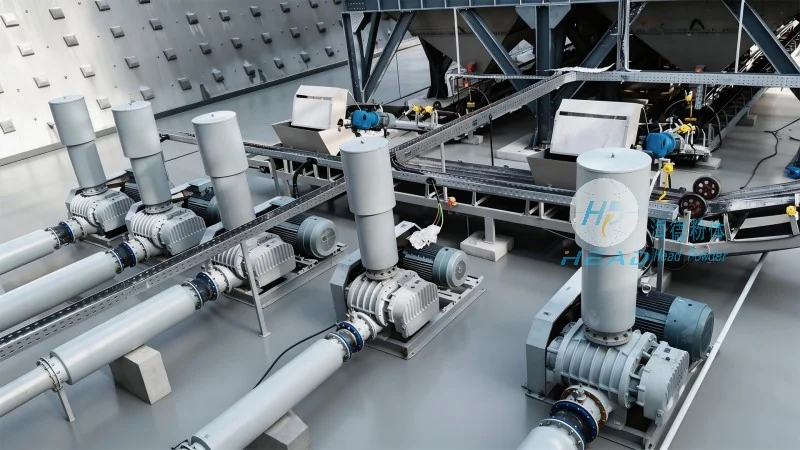
Advantages of Using a Pneumatic Conveying Machine for Soybean Protein Powder
Implementing a pneumatic conveying machine for soybean protein powder offers several advantages over traditional methods. Firstly, it provides a hygienic and clean transfer process, which is essential in food processing environments where contamination control is paramount. The stainless steel construction and enclosed system prevent cross-contamination and keep the product free from external pollutants. Secondly, the system is highly efficient, capable of transporting large volumes of material over long distances with minimal energy consumption compared to mechanical conveyors. This efficiency translates to cost savings and increased productivity in the production line. Additionally, the flexibility of pneumatic conveyors allows for easy integration with existing processing equipment and the ability to adjust the conveying rate based on production needs.
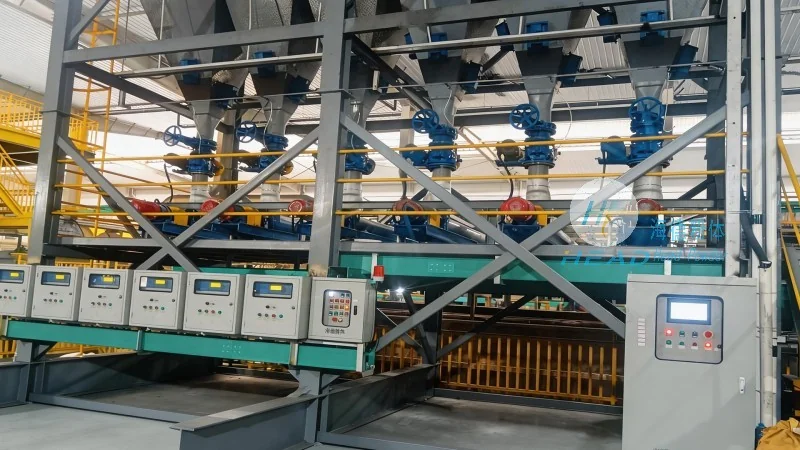
Applications and Industries Where This Equipment Is Used
The soybean protein powder material pneumatic conveying machine is widely used in various industries that handle fine powders. In the food industry, it is commonly employed in the production of soybean protein isolates, concentrates, and other protein-based products. The equipment is also utilized in the feed industry for transporting soybean meal and other protein supplements to animal feed processing facilities. Furthermore, it can be applied in the pharmaceutical and chemical industries for handling similar fine powders that require high levels of purity and cleanliness. The versatility of the system makes it a valuable asset in any facility where efficient and hygienic material transport is required.
Conclusion and Importance of Proper Design and Maintenance
In conclusion, the soybean protein powder material pneumatic conveying machine is a critical piece of equipment in modern processing facilities, offering an efficient and hygienic solution for transporting delicate materials like soybean protein powder. The design principles, which focus on maintaining product integrity and operational efficiency, are essential for ensuring the system performs optimally. Proper maintenance, including regular cleaning of the conveying line and air filters, is crucial to prevent blockages and maintain the system's performance. By understanding the design and operation of this equipment, manufacturers can enhance their production processes, reduce costs, and ensure compliance with industry standards for food safety and quality. Shandong HeadPowder Engineering Co., Ltd. specializes in manufacturing such advanced material handling solutions, with a headquarters located in Shandong, China.