

Operation Process and Working Principle of Graphite Material Handling System Equipment
HeadPowder, a leading provider in the field of material handling solutions, specializes in the design, manufacturing, and installation of advanced graphite material handling systems. Based in Shandong, China, the company leverages decades of industry expertise to deliver reliable and efficient equipment tailored to the unique demands of graphite processing applications.
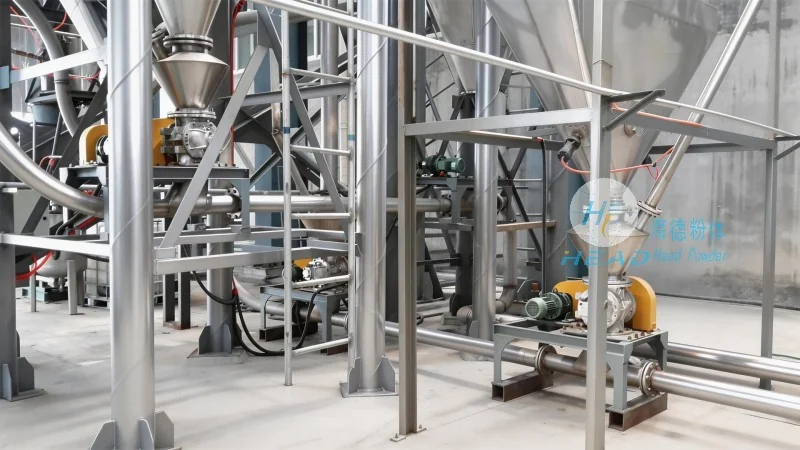
Overview of Graphite Material Handling Systems
Graphite material handling systems are engineered to safely and efficiently transport graphite materials through various stages of production, from raw material intake to finished product output. These systems integrate multiple components, including conveyors, feeders, and control mechanisms, to ensure seamless material flow and minimal downtime. The design of such systems prioritizes durability, as graphite can be abrasive and require specialized handling to prevent contamination or damage.
Key Components and Their Functions
The core components of a typical graphite material handling system include: (1) Inlet Hoppers and Feeders: These devices receive graphite from storage silos or bulk containers and feed it into the primary conveyor system. The hoppers are often equipped with vibration or rotary feed mechanisms to maintain a consistent material flow rate, preventing blockages and ensuring uniform feeding. (2) Conveyors: Various types of conveyors, such as belt conveyors, screw conveyors, or pneumatic conveyors, are used depending on the material's characteristics and the application requirements. Belt conveyors are commonly employed for bulk graphite transport due to their ability to handle large volumes and maintain stable speeds. Screw conveyors are suitable for vertical or inclined material transport, providing precise control over the material's movement. Pneumatic conveyors, or air slides, are ideal for fine graphite powders, as they use air pressure to move materials through flexible hoses or ducts, minimizing dust generation and contamination. (3) Control Systems: Integrated control panels and sensors monitor the system's operation, adjusting conveyor speeds, feeder rates, and other parameters in real-time. Sensors detect material levels, blockages, or overloads, triggering automatic shut-offs or alerts to prevent equipment damage and ensure safety. (4) Dust Collection and Filtration: Given graphite's fine particle nature, dust collection systems are essential to maintain a clean and safe working environment. These systems capture airborne particles and filter them before releasing air back into the facility, complying with environmental regulations and protecting personnel health.
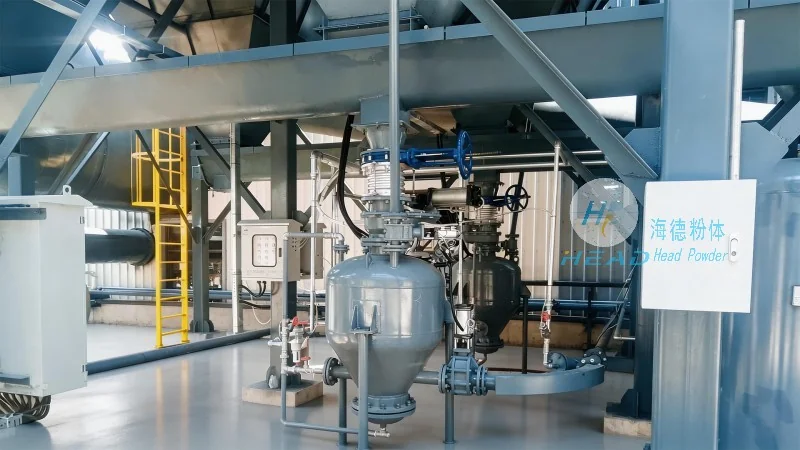
Operation Process of Graphite Material Handling Systems
The operation of a graphite material handling system follows a systematic sequence to ensure efficient material processing. The process typically begins with the loading of raw graphite into the inlet hopper. The feeder then regulates the flow of graphite into the conveyor system. As the material moves through the conveyor, it is transported to the next processing stage, such as a grinding or mixing unit. At each stage, the system's control mechanisms adjust the flow rate and speed to maintain optimal performance. For example, if the conveyor encounters a blockage, sensors detect the issue, and the system automatically stops or reduces the speed to prevent damage. Once the material reaches the final output point, it is discharged into a storage container or directly to the next production step. The entire process is monitored by the control system, which records operational data and provides feedback for maintenance and performance optimization.
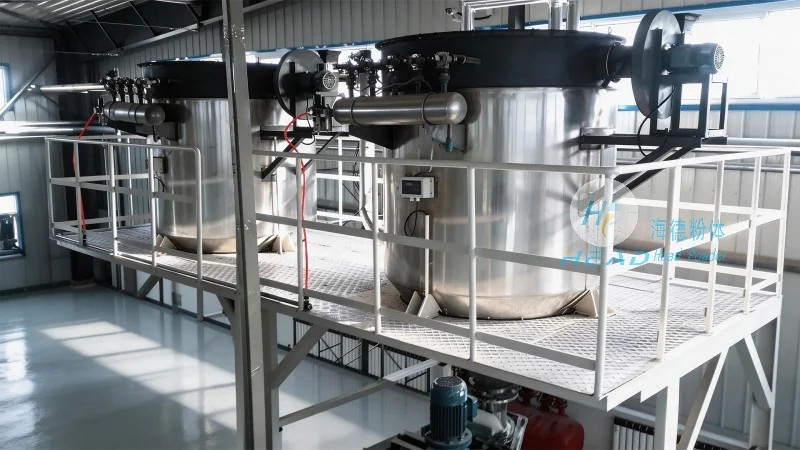
Working Principle of Graphite Material Handling Systems
The working principle of graphite material handling systems is based on the mechanical transfer of material from one location to another through a series of interconnected components. The primary mechanism involves the use of gravity, vibration, or air pressure to move graphite particles. In belt conveyors, for instance, the material is placed on a moving belt, which transports it horizontally or at an incline. The belt's speed and tension are carefully controlled to ensure the material moves without slipping or jamming. Screw conveyors operate by rotating a helical screw within a tube, pushing the material forward as the screw turns. This method is particularly effective for vertical or inclined transport, as it provides consistent pressure and prevents material buildup. Pneumatic conveyors utilize compressed air to create a flow of material through flexible ducts. The air pressure propels the graphite particles, allowing for precise control over the material's direction and speed. The control system plays a critical role in coordinating these mechanisms, ensuring that each component operates in sync to maintain a continuous and efficient material flow. By integrating these principles, the system achieves high throughput while minimizing energy consumption and operational risks.
Advantages and Applications
Graphite material handling systems offer several advantages that make them indispensable in industrial applications. Their ability to handle abrasive and fine materials reduces equipment wear and tear, extending the lifespan of the system. The integrated control systems enhance operational efficiency by automating processes and minimizing human intervention, leading to lower labor costs and improved safety. Additionally, the dust collection and filtration systems ensure compliance with environmental regulations, protecting both the environment and personnel. These systems are widely used in industries such as battery manufacturing, refractory production, and carbon graphite processing, where reliable and efficient material transport is critical to production quality and consistency.