

Operation Process and Working Principle of Carbon Powder Material Handling System Equipment
HeadPowder, a leading manufacturer based in Shandong, China, specializes in the design, development, and production of advanced carbon powder material handling systems. Our company, Shandong HeadPowder Engineering Co., Ltd., has established itself as a trusted partner in the industry, delivering high-quality equipment tailored to the specific needs of carbon powder processing applications.
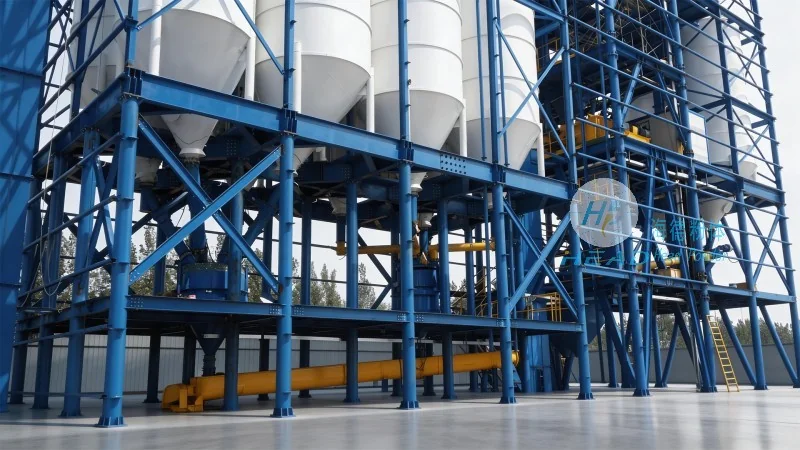
Overview of Carbon Powder Material Handling Systems
Carbon powder material handling systems are engineered to efficiently transport, store, and manage carbon powder materials in industrial settings. These systems are crucial for optimizing production workflows, ensuring material integrity, and enhancing operational safety. The equipment typically includes components such as feeders, conveyors, storage silos, and control systems, all working in harmony to achieve seamless material movement.
Key Components and Their Functions
The core components of a carbon powder material handling system include: 1. Feeding Equipment, which accurately measures and delivers carbon powder to the conveyor system; 2. Conveyor Systems, such as belt conveyors or screw conveyors, that transport the powder from one location to another; 3. Storage Silos, designed to store large quantities of carbon powder while maintaining consistent material quality; 4. Control Systems, which monitor and regulate the entire process to ensure optimal performance.
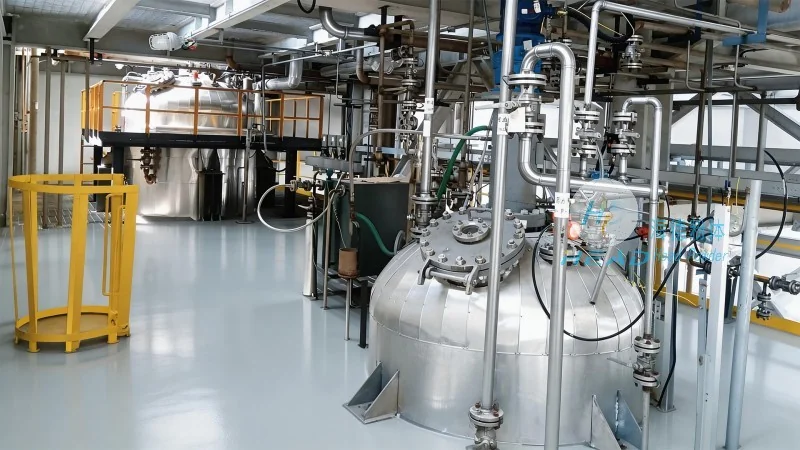
Operation Process of the System
The operation of a carbon powder material handling system follows a systematic process. Initially, carbon powder is fed into the system through the feeding equipment. The feeder ensures a consistent flow rate, preventing overloading or underloading of the conveyor. The conveyor then transports the powder to the storage silo or to the next processing stage. The control system continuously monitors parameters such as flow rate, pressure, and temperature, adjusting the operation as needed to maintain stability. This integrated approach ensures that the system operates efficiently and reliably, minimizing downtime and maximizing productivity.
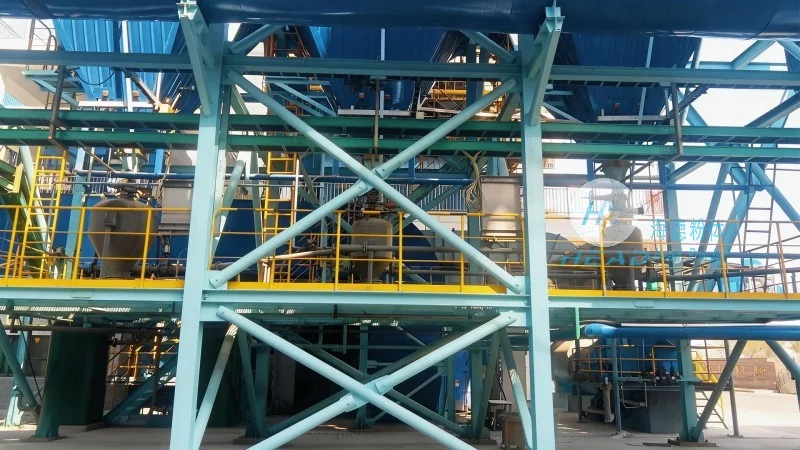
Working Principle of the Equipment
The working principle of carbon powder material handling systems is based on mechanical and pneumatic mechanisms. The feeding equipment uses gravity or mechanical force to move the powder into the conveyor. The conveyor system, often equipped with special materials or coatings, prevents powder adhesion and ensures smooth transport. The storage silo utilizes a hopper design to allow for uniform discharge of the powder. The control system employs sensors and actuators to regulate the flow, ensuring that the system responds to changes in demand or material conditions. This combination of mechanical and electronic components enables the system to handle carbon powder with precision and efficiency.
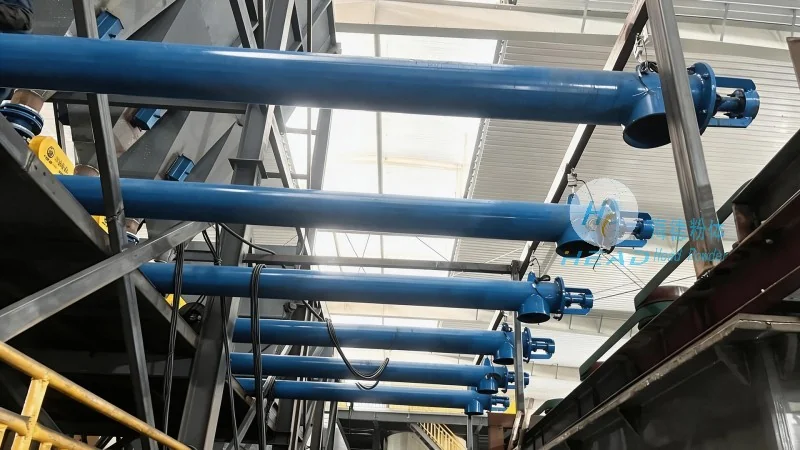
Benefits of Using Carbon Powder Material Handling Systems
Implementing a carbon powder material handling system offers several advantages for industrial operations. Firstly, it improves material handling efficiency by reducing manual labor and minimizing the risk of material loss or contamination. Secondly, the system enhances safety by automating the process and reducing human exposure to dust and other hazards. Thirdly, it ensures consistent material quality by maintaining uniform flow and preventing segregation. Lastly, the system increases productivity by optimizing the production workflow and reducing downtime due to material handling issues.
Application Scenarios
Carbon powder material handling systems are widely used in various industries, including battery manufacturing, carbon black production, and chemical processing. In battery manufacturing, these systems are essential for transporting carbon powder to the electrode production line, ensuring consistent material properties. In carbon black production, the systems help manage the raw materials and finished products, improving the overall production efficiency. In chemical processing, the equipment is used to handle carbon-based chemicals, supporting the manufacturing of various products.