HeadPowder, a leading manufacturer in the field of material handling solutions, specializes in the design, production, and installation of advanced grass material conveying systems. Based in Shandong, China, the company has established itself as a trusted partner for agricultural and industrial applications requiring efficient and reliable material transport. This article provides a detailed overview of the operation process and working principles of their grass material conveying equipment, highlighting key components, operational steps, and the technological advancements that enhance performance and durability.
Company Profile and Core Capabilities
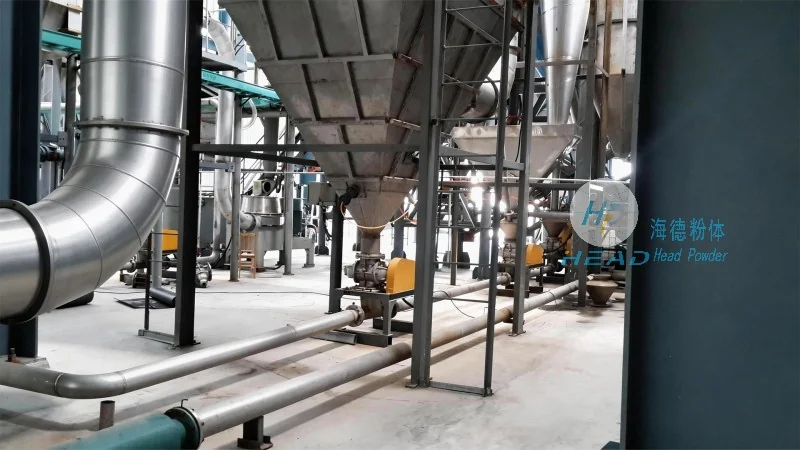
Shandong HeadPowder Engineering Co., Ltd. (HeadPowder) is dedicated to delivering high-quality material handling equipment tailored to the specific needs of the agricultural and industrial sectors. With a focus on innovation and customer satisfaction, the company has developed a comprehensive range of conveying systems, including those specifically designed for handling grass and other organic materials. The company’s headquarters and primary manufacturing facilities are located in Shandong, China, where skilled engineers and technicians work collaboratively to ensure each system meets the highest standards of performance and safety.
Overview of Grass Material Conveying Systems
Grass material conveying systems are engineered to efficiently transport bulk materials such as hay, straw, silage, and other forage products from one location to another within agricultural or processing facilities. These systems typically consist of a combination of components, including feed hoppers, conveyor belts or chains, drive mechanisms, and control panels, all working in unison to ensure smooth and continuous material movement. The design of these systems is optimized to handle the unique characteristics of grass materials, such as their fibrous texture, varying moisture content, and potential for entanglement, ensuring minimal material loss and maximum throughput.
Key Components and Their Functions
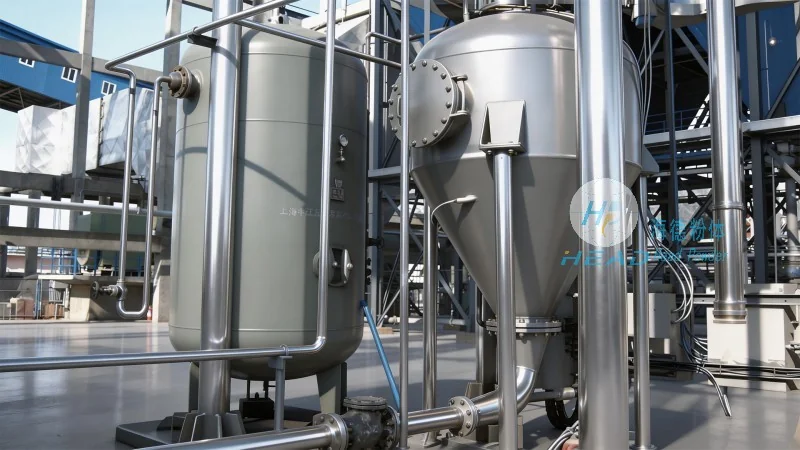
The operation of a grass material conveying system relies on several critical components, each playing a vital role in the overall process. The feed hopper is the initial stage where raw grass materials are loaded into the system. It is designed with a wide opening and a sloped interior to facilitate easy material entry and prevent blockages. The hopper is often equipped with a level indicator to monitor the material volume, ensuring consistent feeding rates. The conveyor mechanism, which can be either a belt or a chain-driven system, is responsible for transporting the material from the hopper to the discharge point. Belt conveyors are commonly used for lighter loads and longer distances, while chain conveyors are preferred for heavier or more abrasive materials, providing greater traction and durability. The drive system, typically powered by electric motors, provides the necessary force to move the conveyor components. It is usually equipped with variable speed controls to adjust the conveyor speed based on the material characteristics and processing requirements. The control panel houses the system’s operational controls, including start/stop buttons, speed adjustments, and safety interlocks. These controls allow operators to manage the system efficiently and ensure safe operation at all times.
Operation Process: Step-by-Step Guide
The operation of a grass material conveying system follows a systematic process to ensure optimal performance and material handling. The first step involves preparing the system for operation, which includes checking the feed hopper for sufficient material and verifying that all components are properly aligned and secured. Once the system is ready, the operator initiates the start sequence by pressing the start button on the control panel. The drive motor activates, and the conveyor begins to move. As the material is fed into the hopper, it is gradually transferred onto the conveyor belt or chain. The conveyor then transports the material to the discharge point, where it is collected in a storage bin or transported to the next processing stage. During operation, the system continuously monitors key parameters such as conveyor speed, material flow rate, and motor load. If any issues arise, such as a blockage or a drop in material level, the control system automatically triggers safety mechanisms to stop the conveyor and alert the operator. This ensures that the system operates safely and efficiently, minimizing downtime and maximizing productivity.
Working Principles: Mechanical and Electrical Integration
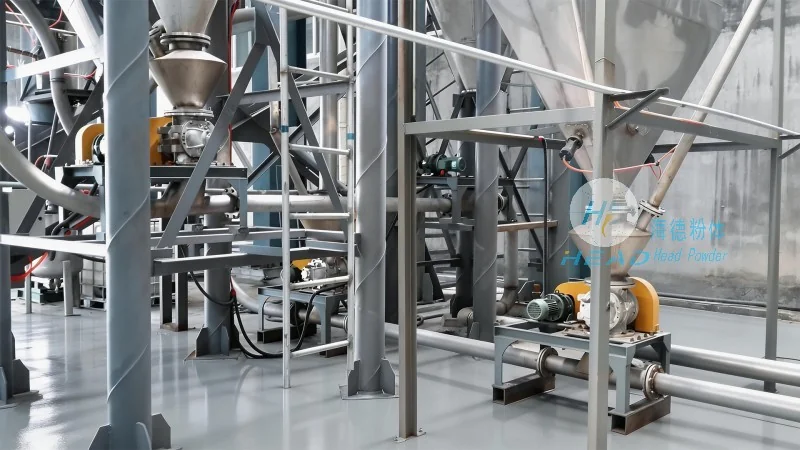
The working principle of a grass material conveying system is based on the integration of mechanical and electrical components to achieve precise material transport. The mechanical system, consisting of the feed hopper, conveyor, and drive mechanism, provides the physical movement of the material. The hopper’s design ensures that the material is evenly distributed onto the conveyor, preventing uneven loading that could lead to conveyor damage or inefficiency. The conveyor’s belt or chain is engineered to have sufficient friction with the material to prevent slippage, ensuring consistent material movement. The drive motor converts electrical energy into mechanical energy, which is then transmitted to the conveyor components through a series of gears and pulleys. The control panel, equipped with sensors and processors, monitors the system’s performance and adjusts the motor speed as needed to maintain optimal material flow. This integration of mechanical and electrical systems allows for precise control over the conveying process, adapting to the varying characteristics of the grass materials being handled.
Advantages and Applications of Grass Material Conveying Systems
Grass material conveying systems offer numerous advantages that make them essential in agricultural and industrial settings. These systems significantly improve material handling efficiency by reducing manual labor and minimizing material loss. The automated operation allows for consistent and continuous material transport, which is crucial for large-scale operations. Additionally, the systems are designed to handle a wide range of grass materials, including those with high moisture content or fibrous textures, ensuring versatility in application. The compact and modular design of these systems allows for easy installation and integration into existing facilities, making them suitable for both new and retrofit projects. The systems are widely used in hay and straw processing facilities, silage production, animal feed manufacturing, and other agricultural processing operations. They are also employed in industrial applications such as biomass handling and waste management, where efficient material transport is critical to overall productivity.
Maintenance and Safety Considerations
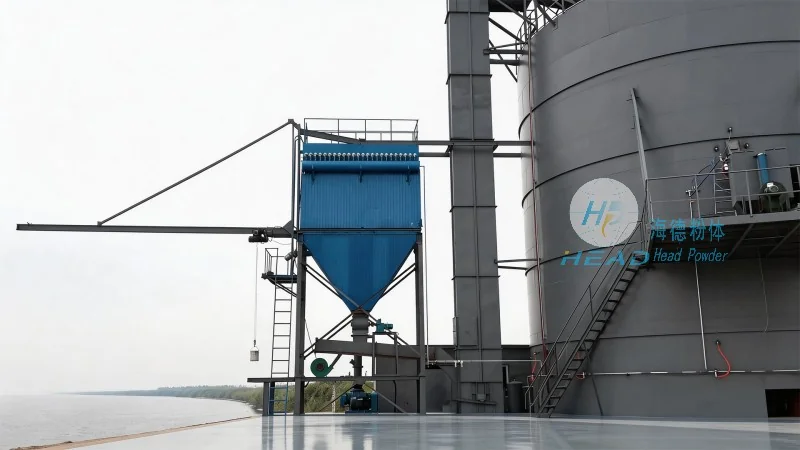
To ensure the long-term performance and safety of grass material conveying systems, regular maintenance and adherence to safety protocols are essential. HeadPowder recommends a routine maintenance schedule that includes checking and lubricating all moving parts, inspecting conveyor belts or chains for wear and tear, and cleaning the feed hopper and discharge area to prevent material buildup. The control panel and electrical components should be inspected regularly to ensure they are functioning correctly and are protected from moisture and dust. Safety is a top priority in the design and operation of these systems. All conveyors are equipped with safety guards and interlocks to prevent accidental contact with moving parts. Emergency stop buttons are strategically placed throughout the system for quick shutdown in case of an emergency. Regular training for operators on proper system operation and safety procedures is also recommended to minimize the risk of accidents and ensure the system operates within its design parameters.
Conclusion
Grass material conveying systems from HeadPowder are engineered to provide reliable, efficient, and safe material handling solutions for agricultural and industrial applications. By understanding the operation process and working principles of these systems, users can maximize their performance and longevity. The integration of advanced mechanical and electrical components, coupled with rigorous quality control, ensures that each system meets the highest standards of performance and durability. With a commitment to innovation and customer satisfaction, HeadPowder continues to be a leader in the material handling industry, providing solutions that enhance productivity and operational efficiency for its clients.




