

[METALLURGICAL COKE MATERIAL HANDLING EQUIPMENT: UNDERSTANDING THEIR FUNCTION AND DESIGN PRINCIPLES]
Metallurgical coke is a critical component in various industrial processes, particularly in steel production and other metallurgical applications. The efficient handling and transportation of this material are essential for maintaining production efficiency and ensuring the quality of downstream processes. This article explores the metallurgical coke material handling equipment, detailing their design principles and the key factors that contribute to their effectiveness in industrial settings.
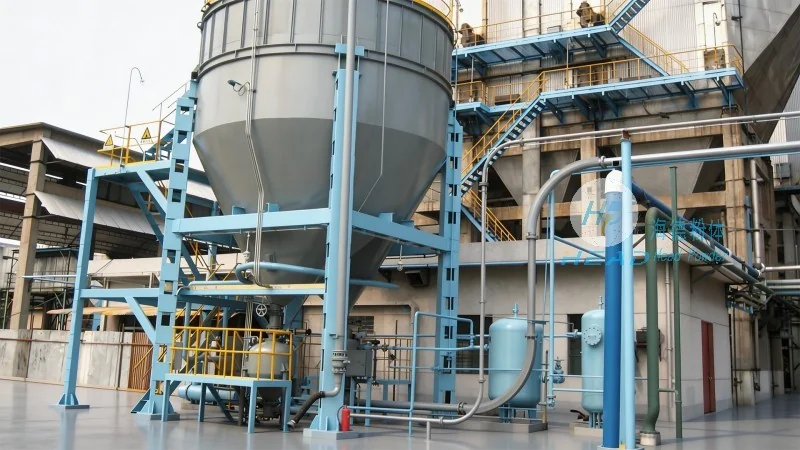
Introduction to Metallurgical Coke Material Handling Equipment
Metallurgical coke, also known as coke oven coke, is a high-carbon product derived from coal that is used as a fuel and reducing agent in blast furnaces. Its properties, such as high thermal stability and low ash content, make it indispensable in the production of iron and steel. However, the handling of coke presents unique challenges due to its abrasive nature, high temperature during processing, and the need for precise control in its movement from production sites to processing facilities. To address these challenges, specialized equipment has been developed to ensure safe, efficient, and reliable coke handling operations.
HeadPowder: A Leading Provider of Metallurgical Equipment
Shandong HeadPowder Engineering Co., Ltd., commonly known as HeadPowder, is a reputable company based in China, specializing in the design, manufacturing, and supply of industrial equipment for material handling and processing. With a strong focus on innovation and customer-centric solutions, HeadPowder has established itself as a trusted partner for industries requiring high-performance coke handling systems. The company's expertise lies in understanding the specific demands of metallurgical processes and developing equipment that meets stringent operational and safety standards.
Design Principles of Metallurgical Coke Material Handling Equipment
The design of metallurgical coke material handling equipment is guided by several key principles aimed at optimizing performance, durability, and safety. These principles include the selection of appropriate materials for construction, the integration of robust mechanical components, and the implementation of advanced control systems to manage the flow and temperature of coke. One of the primary design considerations is the abrasive nature of coke, which necessitates the use of wear-resistant materials such as high-chrome steel or special alloys to minimize equipment wear and extend service life. Additionally, the equipment must be capable of withstanding high temperatures, often exceeding 1000°C during handling, requiring thermal insulation and heat-resistant components.
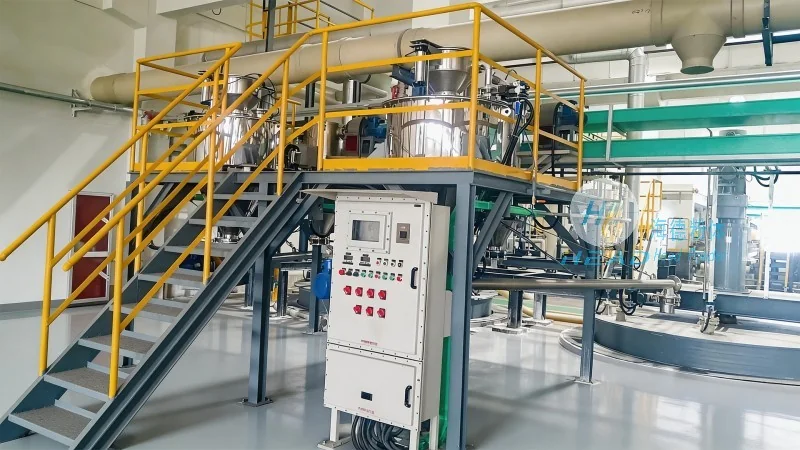
Another critical design principle is the need for precise control over the movement of coke. This involves the use of conveyor systems, such as belt conveyors or screw conveyors, that are designed to handle the bulk material efficiently while minimizing spillage and dust generation. The design also incorporates features like adjustable speed controls, which allow operators to regulate the flow rate based on production requirements. Furthermore, safety considerations are paramount, with equipment incorporating protective guards, emergency stop mechanisms, and temperature monitoring systems to prevent accidents and ensure worker safety.
Key Components and Functional Aspects
Metallurgical coke material handling equipment typically consists of several key components that work in tandem to achieve efficient operation. These components include feeders, conveyors, elevators, and storage silos. Feeders are used to regulate the flow of coke from storage areas to the conveyor system, ensuring a consistent and controlled supply. Belt conveyors are commonly used for horizontal and inclined transport due to their high capacity and low maintenance requirements. Elevators, such as bucket elevators or chain conveyors, are employed for vertical transport, allowing coke to be moved between different levels of a facility. Storage silos are used to temporarily hold coke, providing a buffer between production and processing stages and enabling smooth operation even during periods of high demand.
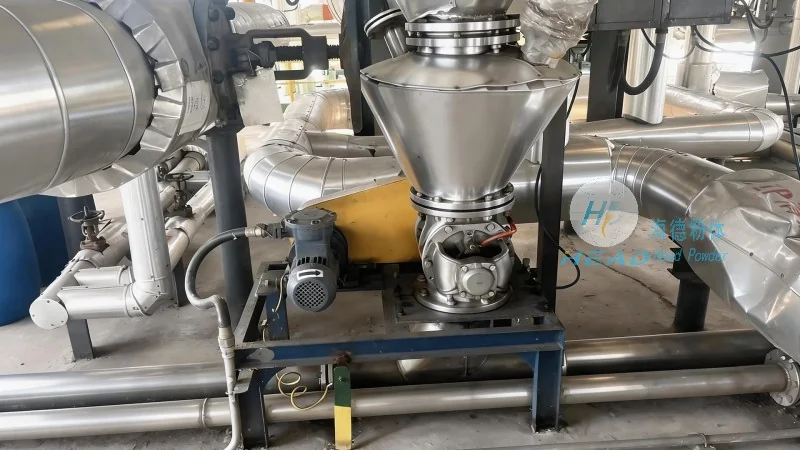
The functional aspects of these systems are centered around the seamless integration of each component to achieve a continuous material flow. For example, the feeder controls the rate at which coke is released into the conveyor, while the conveyor transports it to the next stage of processing. The elevator then lifts the coke to higher levels, and the storage silo provides a holding capacity for subsequent use. This integrated approach ensures that the entire system operates as a cohesive unit, minimizing downtime and maximizing productivity.
Application and Operational Considerations
Metallurgical coke material handling equipment is widely used in various industrial settings, including coke plants, steel mills, and other metallurgical facilities. The equipment is designed to handle large volumes of coke, often in the range of hundreds of tons per hour, and is capable of operating in harsh environments with high temperatures and abrasive conditions. Operational considerations include regular maintenance to ensure equipment longevity, proper training for operators to handle the machinery safely, and adherence to safety regulations to prevent accidents. Additionally, the equipment must be capable of adapting to changes in production schedules, such as varying demand for coke, by adjusting the flow rate and speed of the conveyor systems.
Conclusion
In conclusion, metallurgical coke material handling equipment plays a vital role in the efficient and safe operation of metallurgical processes. The design principles, which prioritize durability, control, and safety, ensure that these systems can handle the unique challenges posed by coke. Companies like Shandong HeadPowder Engineering Co., Ltd. (HeadPowder) contribute significantly to the development and implementation of such equipment, providing industries with reliable solutions that enhance productivity and operational efficiency. As the demand for high-quality coke continues to grow, the importance of advanced material handling equipment will only increase, making it a critical component in the future of metallurgical production.