High-alumina fly ash material handling equipment is a specialized system designed to efficiently transport and manage high-alumina fly ash, a byproduct of coal combustion in power plants. This equipment plays a crucial role in the industrial sector, particularly in power generation and related industries, by ensuring safe and effective material handling processes. Understanding the design principles behind these systems is essential for optimizing performance, enhancing safety, and meeting operational requirements.
Key Components and Design Considerations for High-Alumina Fly Ash Handling Systems
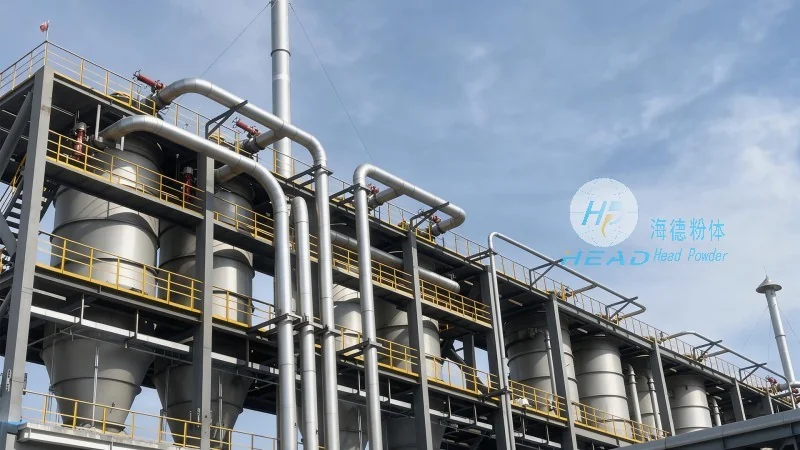
The design of high-alumina fly ash material handling equipment involves several critical components and considerations tailored to the unique properties of the material. High-alumina fly ash is characterized by its fine particle size, high moisture content, and abrasive nature, which necessitates specialized equipment to prevent wear, blockages, and material degradation. Key components typically include feeders, conveyors, storage silos, and discharge systems, each designed to address specific challenges associated with fly ash handling.
Feeding mechanisms, such as rotary valves or screw conveyors, are often used to control the flow of high-alumina fly ash from storage silos or hoppers. These components are engineered to handle the material's cohesive and abrasive properties, ensuring consistent and reliable feeding rates. Conveyors, including belt conveyors or pneumatic systems, are employed to transport the fly ash over longer distances or to different processing stages. The choice of conveyor type depends on factors like the distance to be covered, the volume of material, and the need for dust control.
Design Principles for Ensuring Efficiency and Safety
Efficiency and safety are paramount in the design of high-alumina fly ash material handling equipment. The design principles focus on minimizing material loss, reducing operational downtime, and ensuring compliance with safety regulations. One key principle is the use of corrosion-resistant materials, as high-alumina fly ash can be acidic and corrosive. Stainless steel or specialized alloys are often used for components that come into direct contact with the material to prevent degradation and maintain structural integrity.
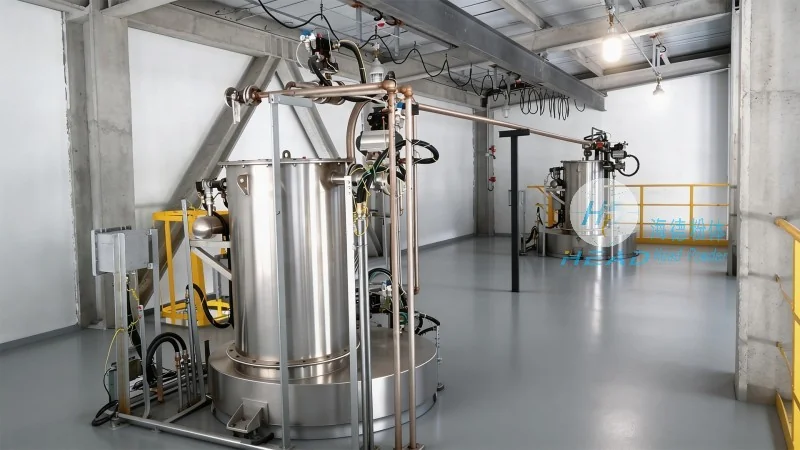
Another critical design consideration is the prevention of dust generation and dispersion. High-alumina fly ash is a fine powder that can create significant dust hazards if not properly contained. Therefore, equipment is designed with dust collection systems, sealed hoppers, and enclosed conveyor lines to minimize airborne particles. This not only enhances safety for personnel but also reduces environmental impact by preventing air pollution.
Control systems are also integral to the design, enabling automated operation and real-time monitoring of the material handling process. These systems allow for adjustments to feeding rates, conveyor speeds, and other parameters based on real-time conditions, optimizing performance and reducing the risk of overloading or underloading. Additionally, safety interlocks and emergency stop mechanisms are incorporated to protect operators and equipment in case of malfunctions or abnormal conditions.
Application and Operational Benefits
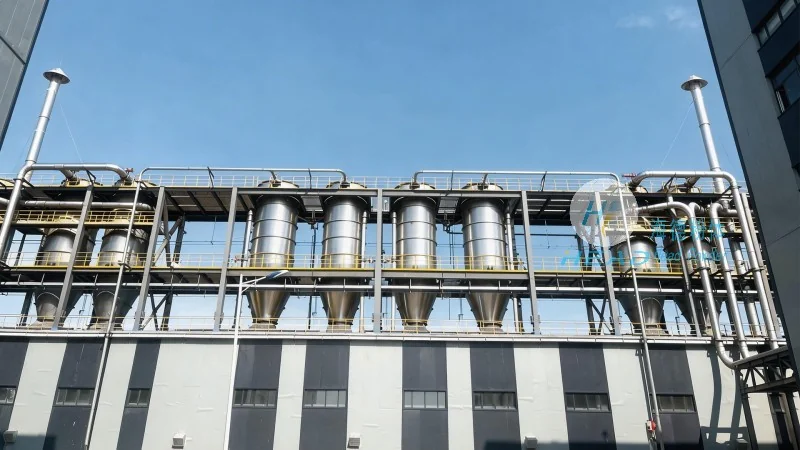
High-alumina fly ash material handling equipment is widely used in various industrial applications, including power plants, cement production, and construction material manufacturing. The efficient handling of high-alumina fly ash is essential for these industries to utilize the material as a valuable resource, such as in the production of cement or as a supplementary cementitious material (SCM). By ensuring reliable and safe material transport, these systems contribute to increased productivity and cost savings for the end-user.
The operational benefits of well-designed high-alumina fly ash handling systems extend beyond efficiency and safety. They also help in reducing maintenance costs by minimizing wear and tear on equipment components. The use of durable materials and robust design reduces the frequency of repairs and replacements, leading to lower long-term operational expenses. Furthermore, the consistent flow of material ensures that downstream processes, such as mixing or processing, operate smoothly without interruptions, improving overall production output.
Conclusion
In conclusion, high-alumina fly ash material handling equipment is a sophisticated system designed to address the unique challenges of handling this industrial byproduct. The design principles, which prioritize efficiency, safety, and durability, are crucial for optimizing performance and ensuring compliance with industry standards. As a leading provider in this field, Shandong HeadPowder Engineering Co., Ltd. specializes in developing and manufacturing such equipment, leveraging years of expertise to deliver reliable solutions tailored to the specific needs of power generation and related industries. With a focus on innovation and customer satisfaction, the company continues to enhance the design and functionality of high-alumina fly ash handling systems, contributing to the sustainable and efficient use of this valuable material.




