

What is a Ceramic Powder Material Pneumatic Conveying Machine? And What Are Its Design Principles?
For industries dealing with ceramic powders, efficient and reliable material handling is crucial. A ceramic powder material pneumatic conveying machine is a specialized equipment designed to transport fine ceramic powders through a pipeline using air or gas as the conveying medium. This technology offers a solution to the challenges of handling abrasive, dusty, and potentially hazardous ceramic powders, ensuring a clean and efficient process from the source to the destination.
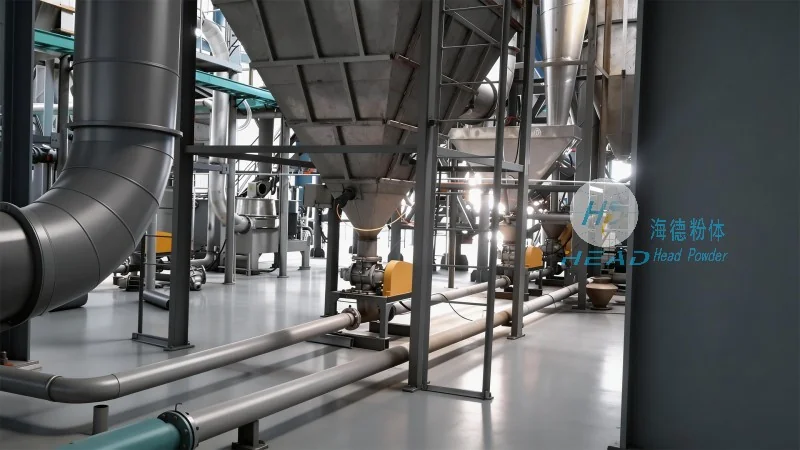
Key Components and Design Principles
The design of a ceramic powder pneumatic conveying system involves several critical components that work in harmony to achieve effective material transport. The primary components include the hopper or feeder, the conveying line (pipeline), the air or gas source (blower or compressor), and the receiver or discharge unit. Each component plays a vital role in the overall operation.
One of the fundamental design principles is the use of pressure or vacuum to move the material. In pressure systems, air is blown into the conveying line, creating a positive pressure that pushes the powder forward. Vacuum systems, on the other hand, use a vacuum to draw the material into the line. The choice between pressure and vacuum depends on factors such as the distance to be covered, the material's properties, and the system's overall efficiency. For ceramic powders, which are often fine and can be sensitive to handling, pressure systems are commonly preferred as they provide better control over the material flow and reduce the risk of clogging or degradation.
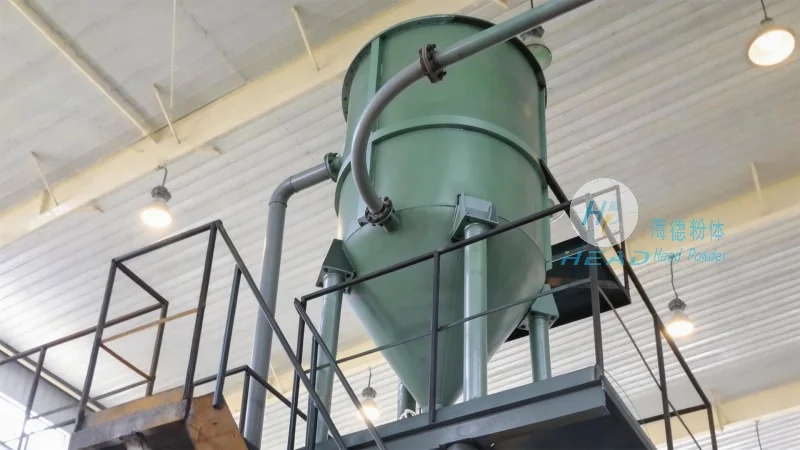
How the System Operates
The operation of a ceramic powder pneumatic conveying machine begins with the material being fed into the hopper. The feeder then controls the flow rate, ensuring a consistent supply of powder into the conveying line. The air or gas source then generates the necessary pressure or vacuum, which propels the material through the pipeline. As the powder travels, it is suspended in the air stream, moving smoothly to the receiver. The receiver collects the material and may include features such as a filter or separator to prevent dust from escaping and to ensure the material is properly contained.
Benefits of Using Ceramic Powder Pneumatic Conveying Machines
Implementing a ceramic powder pneumatic conveying system offers numerous advantages for industrial applications. Firstly, it provides a dust-free and enclosed environment, which is essential for maintaining product quality and ensuring workplace safety. Unlike traditional methods like bucket elevators or belt conveyors, pneumatic systems keep the material contained, reducing the risk of contamination and exposure to airborne particles. Secondly, these systems are highly efficient in terms of energy consumption and space utilization. They can transport materials over long distances with minimal energy input, and the compact design saves valuable floor space in production facilities.
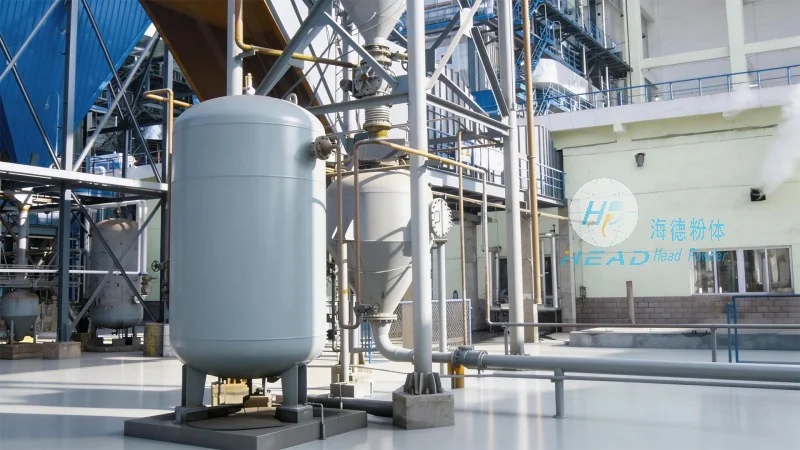
Additionally, the flexibility of pneumatic conveying allows for easy integration into existing production lines. The system can be adapted to handle different types of ceramic powders, from fine powders to granules, and can be adjusted to accommodate varying production rates. This adaptability makes it a versatile solution for various industrial processes, including manufacturing, processing, and packaging of ceramic products.
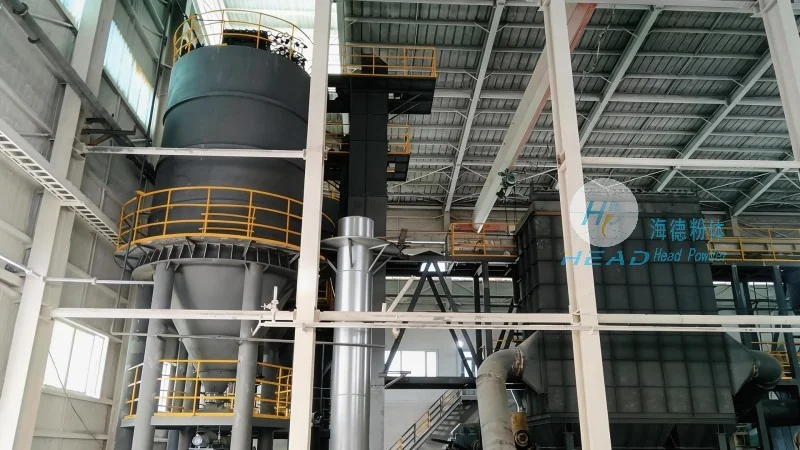
Applications in the Ceramic Industry
Ceramic powder pneumatic conveying machines are widely used in the ceramic industry for a variety of applications. In the production of ceramic tiles, porcelain, and sanitaryware, these systems are used to transport raw materials such as clay, feldspar, and quartz from storage silos to processing lines. In the manufacturing of ceramic powders for electronic components, the system ensures the precise and clean transport of powders, which is critical for maintaining the quality and performance of the final products. Furthermore, in the production of refractory materials, the pneumatic conveying system helps in handling abrasive and high-temperature-resistant powders, which are essential for applications in the steel and glass industries.
Conclusion
In conclusion, a ceramic powder material pneumatic conveying machine is a sophisticated and efficient solution for handling fine ceramic powders. Its design principles, which focus on using air or gas to transport the material, offer numerous benefits including dust-free operation, energy efficiency, and flexibility. As a leading provider in this field, Shandong HeadPowder Engineering Co., Ltd., based in China, specializes in designing and manufacturing high-quality pneumatic conveying systems tailored to the specific needs of the ceramic industry. With their expertise and commitment to quality, they ensure that clients receive reliable and effective equipment that enhances productivity and product quality.