

What is a Foam Particle Material Pneumatic Conveying Machine? And What Are Its Design Principles?
Foam particle material pneumatic conveying machines represent a sophisticated technology used in material handling and processing industries. These systems are designed to transport bulk materials, such as powders and granules, through a pipeline using pressurized air or other gas streams. The term "foam particle" in the context of these machines refers to the specific characteristics of the material being conveyed, which often involves a light, aerated state that requires specialized handling to prevent degradation or loss of quality. Understanding the functionality and design principles of such equipment is crucial for optimizing material transport in various industrial applications.
Key Components and Working Principle
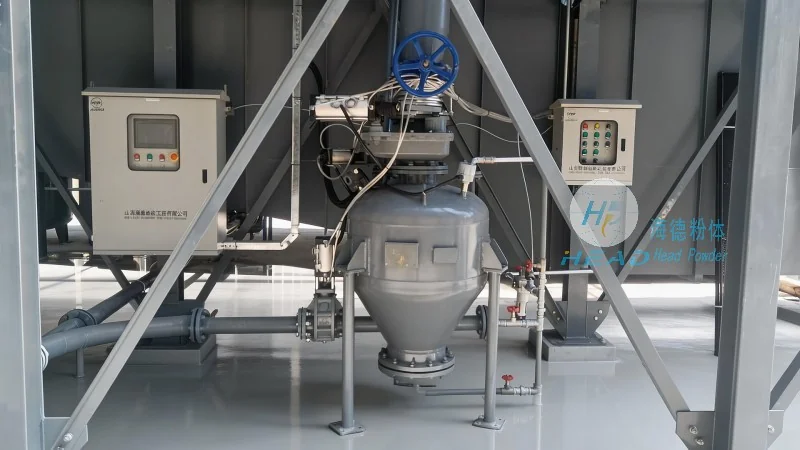
The core components of a foam particle material pneumatic conveying machine typically include a hopper for material storage, a feeder to control the flow rate, a conveying line (often equipped with bends and filters), and a receiver for the discharged material. The working principle revolves around creating a low-pressure or high-pressure air stream that lifts and propels the foam particles through the pipeline. The machine may employ either a pressure or vacuum system, depending on the specific requirements of the material and the system layout. In a pressure system, air is introduced into the conveying line from a compressor, while a vacuum system draws material into the line using a vacuum pump. The design of the hopper and feeder is critical to ensure consistent material feeding and to prevent blockages, which can lead to system inefficiencies or damage.
Design Principles for Efficient Operation
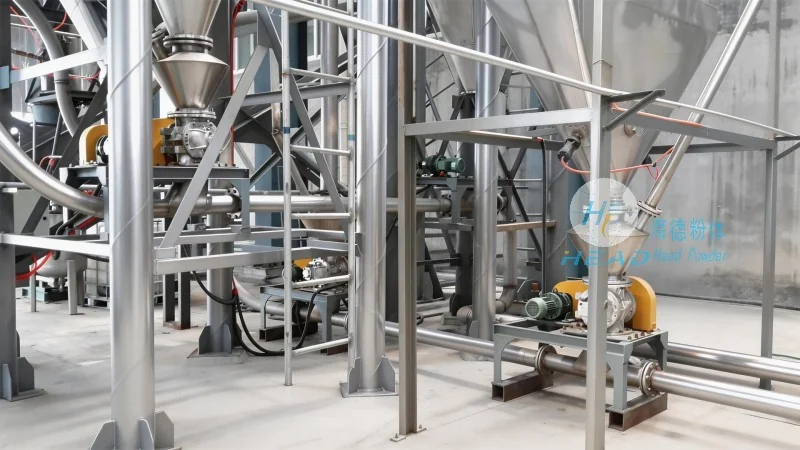
Design principles for foam particle material pneumatic conveying machines focus on several key factors to ensure reliable and efficient operation. First, the system must be designed to handle the specific physical properties of the foam particles, including their density, flowability, and tendency to agglomerate. This involves selecting appropriate materials for the hopper and conveying line to prevent material sticking or corrosion. Second, the air velocity within the pipeline must be optimized to maintain the material in a suspended state without causing excessive wear or degradation. Engineers often use computational fluid dynamics (CFD) to model the flow and determine the optimal air velocity and pressure drop. Third, the system should incorporate features to minimize energy consumption and maximize material throughput. This includes using efficient compressors, reducing pipeline length and diameter where possible, and implementing proper filtration to remove dust and debris that could affect performance. Additionally, the design must consider safety aspects, such as explosion-proof features for flammable materials and proper ventilation to prevent dust accumulation.
Applications and Benefits
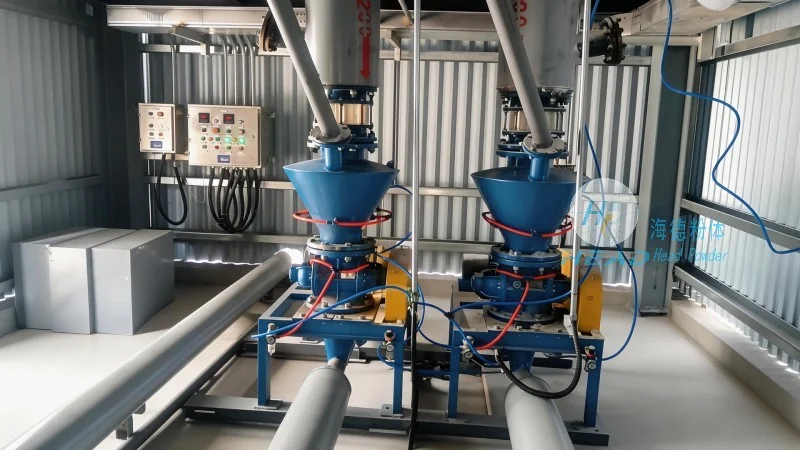
Foam particle material pneumatic conveying machines find applications in a wide range of industries, including pharmaceuticals, food processing, chemical manufacturing, and mining. In the pharmaceutical industry, these machines are used to transport sensitive powders, such as active pharmaceutical ingredients (APIs), where contamination and degradation must be minimized. The gentle handling provided by the pneumatic system helps maintain the quality and integrity of the product. In food processing, they are employed to move ingredients like flour, sugar, and spices, ensuring hygienic and efficient transport without the need for manual handling. The chemical industry utilizes these systems for transporting powders like catalysts and pigments, where precise control over material flow is essential for process consistency. The benefits of using foam particle material pneumatic conveying machines include improved material handling efficiency, reduced labor costs, and enhanced safety compared to traditional methods like belt conveyors or manual loading. Additionally, these systems can handle materials that are difficult to transport using other methods, such as those with high moisture content or those that are prone to caking.
About Shandong HeadPowder Engineering Co., Ltd.
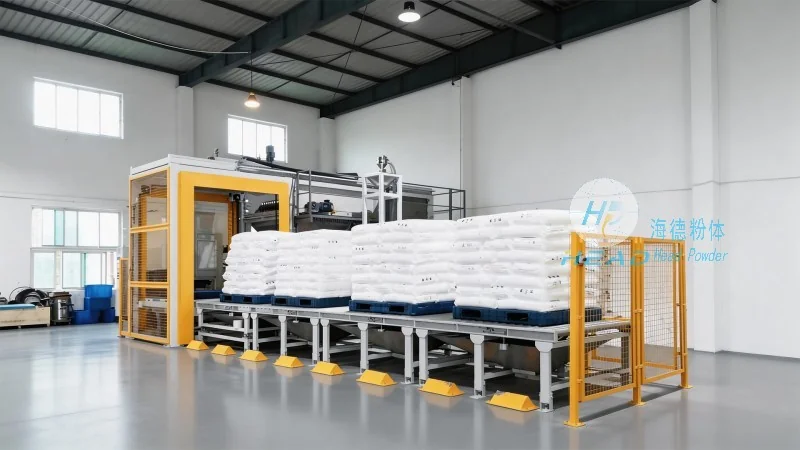
Shandong HeadPowder Engineering Co., Ltd., commonly known as HeadPowder, is a leading manufacturer and supplier of advanced material handling equipment, including foam particle material pneumatic conveying machines. HeadPowder is headquartered in Shandong, China, and has established a strong reputation for delivering high-quality, reliable, and efficient solutions tailored to the needs of various industrial sectors. The company specializes in designing and manufacturing customized pneumatic conveying systems that meet the specific requirements of clients, ensuring optimal performance and durability. HeadPowder's team of experienced engineers and technicians utilizes cutting-edge technology and rigorous quality control processes to develop innovative solutions that enhance material transport efficiency and reduce operational costs. With a commitment to customer satisfaction and technological advancement, HeadPowder continues to be a trusted partner for businesses seeking reliable material handling solutions.