

What is a Tailings Powder Slag Material Pneumatic Conveying Machine? And What Are Its Design Princip
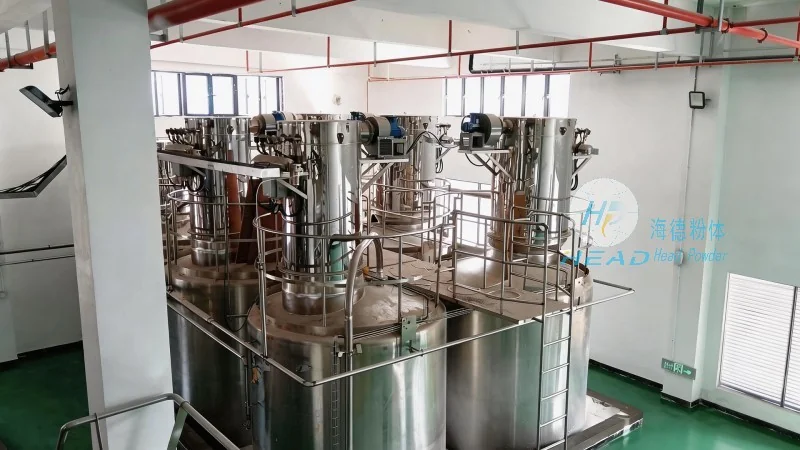
Understanding the tailings powder slag material pneumatic conveying machine is crucial for industries dealing with mineral processing and waste management. This equipment is specifically designed to handle fine, dry, or semi-dry materials such as tailings, slag, and other powders, ensuring efficient and safe transportation from one location to another. The primary function of this machine is to transport bulk materials through a pressurized or vacuum system, eliminating the need for traditional mechanical conveyors that may cause wear and tear or contamination.
Key Features and Applications
The tailings powder slag material pneumatic conveying machine is engineered to address the unique challenges of transporting fine particulate materials. Its design incorporates high-efficiency air flow systems, robust material handling components, and advanced control mechanisms to ensure consistent performance. Common applications include the transport of tailings from mining sites to storage facilities, the movement of slag from steel mills to disposal or recycling sites, and the handling of various industrial powders in manufacturing processes. The machine's ability to handle abrasive and corrosive materials makes it a preferred choice in industries where traditional conveyors may fail due to material degradation or system inefficiencies.
Design Principles and Operational Mechanisms
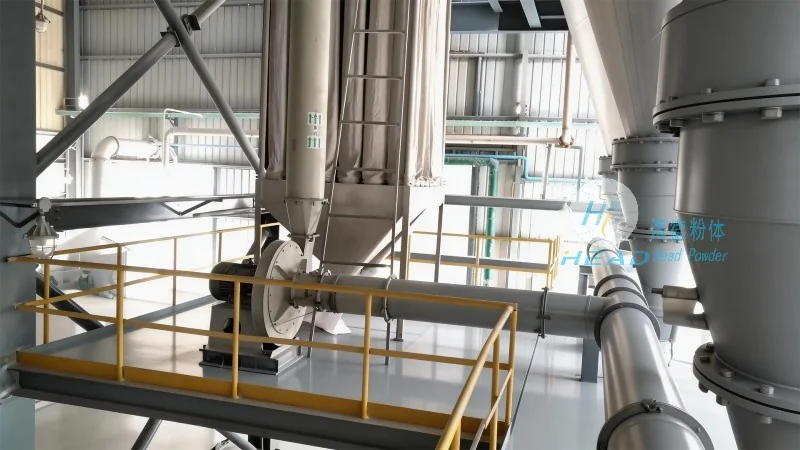
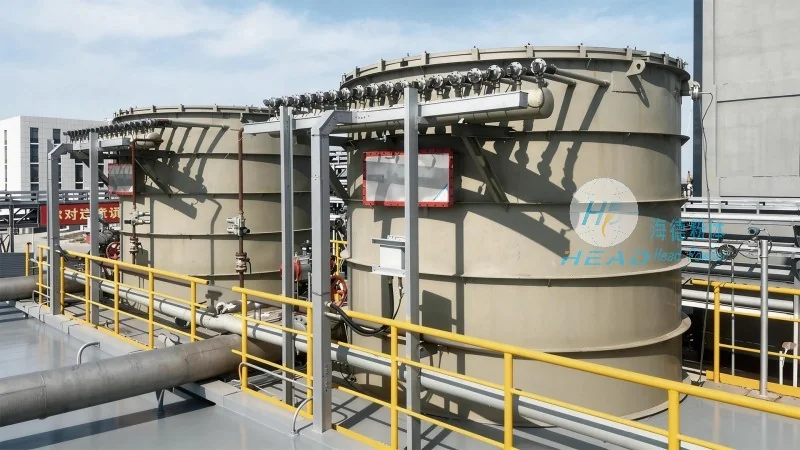
The core design principles of the tailings powder slag material pneumatic conveying machine revolve around the principles of fluidization and air suspension. The machine operates by creating a flow of air that lifts and transports the material particles through a pipeline. This is achieved through either positive pressure (where air is forced into the system) or negative pressure (where air is drawn out of the system). The choice between these two methods depends on the specific material characteristics, distance of transport, and system layout. The design also emphasizes the use of durable materials for the conveying components, such as stainless steel or specialized alloys, to withstand the abrasive nature of tailings and slag. Additionally, the system includes features like air filtration and dust collection to maintain air quality and comply with environmental regulations.
Advantages Over Traditional Conveying Methods
Compared to traditional mechanical conveyors like belt or screw conveyors, the tailings powder slag material pneumatic conveying machine offers several advantages. Firstly, it eliminates the need for physical contact between the material and the conveyor components, reducing wear and tear and extending the equipment's lifespan. Secondly, it provides a more hygienic and cleaner operation, as the material is transported in an enclosed system, preventing dust and contamination. Thirdly, the machine can handle materials with varying particle sizes and moisture content, making it versatile for different industrial applications. Lastly, it allows for flexible system layouts, as the pipeline can be easily reconfigured to accommodate changes in material flow or facility expansions.
About Shandong HeadPowder Engineering Co., Ltd.
HeadPowder, a leading manufacturer in the field of material handling equipment, specializes in the design, development, and production of advanced pneumatic conveying systems. With a strong commitment to innovation and quality, the company has established itself as a trusted partner for industries requiring reliable and efficient material transport solutions. HeadPowder's products are engineered to meet the highest industry standards, ensuring durability, performance, and compliance with environmental regulations. The company's headquarters is located in Shandong, China, where it leverages its expertise and resources to deliver cutting-edge solutions tailored to the specific needs of its clients. By combining advanced technology with practical engineering, HeadPowder continues to set new benchmarks in the material handling industry.