

Principle and Working Scene Characteristics of Anhydrous Sodium Sulfate Material Handling Equipment
HeadPowder, a leading manufacturer in the field of material handling solutions, specializes in providing efficient and reliable equipment for the transportation of anhydrous sodium sulfate. This article delves into the fundamental principles and operational characteristics of such equipment, offering insights into its design, functionality, and typical application environments.
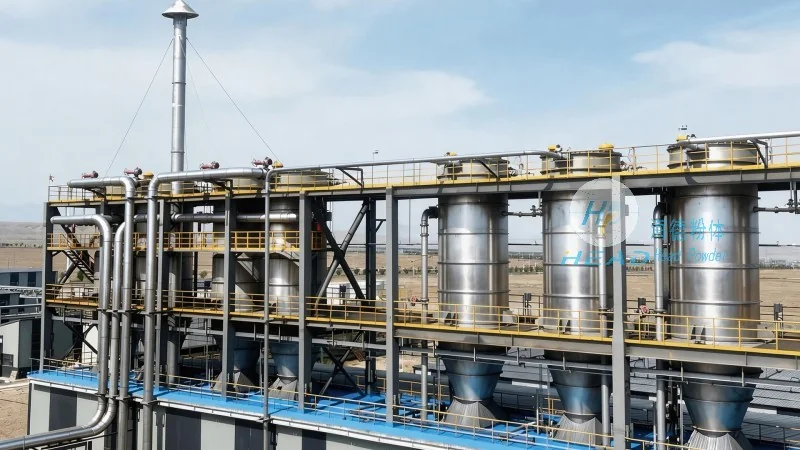
Company Profile and Background
Shandong HeadPowder Engineering Co., Ltd., based in Shandong, China, is dedicated to developing advanced material handling technologies tailored to the needs of various industrial sectors. With a strong focus on innovation and quality, the company has established itself as a trusted provider of equipment for bulk material handling, including specialized solutions for anhydrous sodium sulfate, a key chemical widely used in industries such as glass manufacturing, paper production, and chemical processing.
Understanding Anhydrous Sodium Sulfate and Its Handling Requirements
Anhydrous sodium sulfate, also known as sodium sulfate anhydrous (Na₂SO₄), is a white crystalline solid commonly used as a drying agent, in the production of detergents, and as a raw material in various chemical processes. Due to its granular or powder form, handling this material requires specialized equipment to ensure safe, efficient, and consistent transportation. The primary challenges in handling anhydrous sodium sulfate include preventing dust generation, maintaining material integrity, and ensuring minimal loss during transport. To address these challenges, specialized material handling equipment is essential.
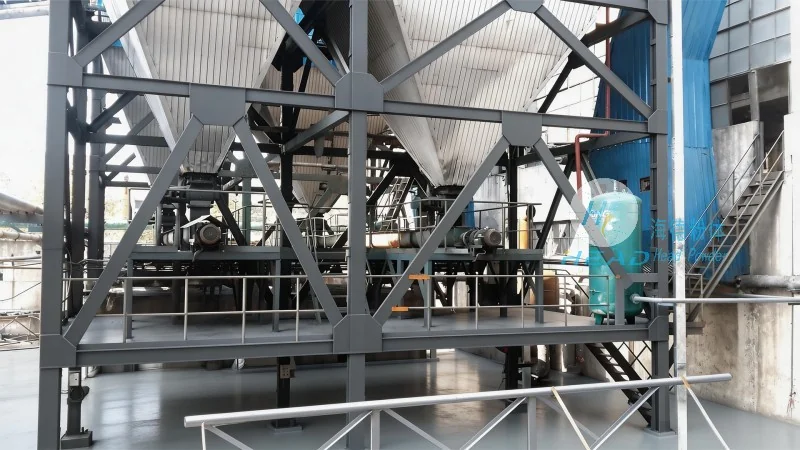
The Core Principles of Anhydrous Sodium Sulfate Material Handling Equipment
The design of anhydrous sodium sulfate material handling equipment is based on several key principles aimed at optimizing performance and safety. First, the equipment must be capable of handling the material's physical properties, such as its particle size, bulk density, and flow characteristics. This involves selecting appropriate conveyor systems, such as belt conveyors, screw conveyors, or pneumatic conveyors, depending on the specific application requirements. Second, the equipment must minimize dust exposure, which is crucial for maintaining a safe working environment and complying with occupational health and safety regulations. This is achieved through features like enclosed systems, dust collection mechanisms, and sealed transfer points. Third, the equipment must ensure efficient and continuous material flow, reducing downtime and maximizing productivity. This is achieved through proper design of the conveyor system, including appropriate slope, speed, and capacity.
Types of Equipment Used for Anhydrous Sodium Sulfate Transportation
Several types of equipment are commonly used for the transportation of anhydrous sodium sulfate, each with its own advantages and specific applications. The most common types include belt conveyors, screw conveyors, and pneumatic conveyors. Belt conveyors are widely used for horizontal or slight incline transport, offering high capacity and low maintenance. Screw conveyors are suitable for vertical or inclined transport, providing consistent material flow and minimal dust generation. Pneumatic conveyors, or air slides, are ideal for handling fine powders and granules, as they use air pressure to move the material through a sealed system, reducing the risk of contamination and dust exposure.
Working Scene Characteristics: Industrial Applications and Operational Environments
The working scene characteristics of anhydrous sodium sulfate material handling equipment vary significantly based on the industrial application and operational environment. In glass manufacturing, for example, the equipment is often used in high-temperature environments, requiring materials that can withstand heat and chemical exposure. In paper production, the equipment may be used in humid conditions, necessitating designs that prevent moisture absorption and material degradation. In chemical processing plants, the equipment may need to handle large volumes of material over long distances, requiring high-capacity systems with minimal downtime. Additionally, the equipment is often integrated into existing production lines, requiring compatibility with other machinery and systems. The operational environment also includes considerations such as space constraints, noise levels, and safety regulations, all of which influence the design and selection of the appropriate material handling equipment.
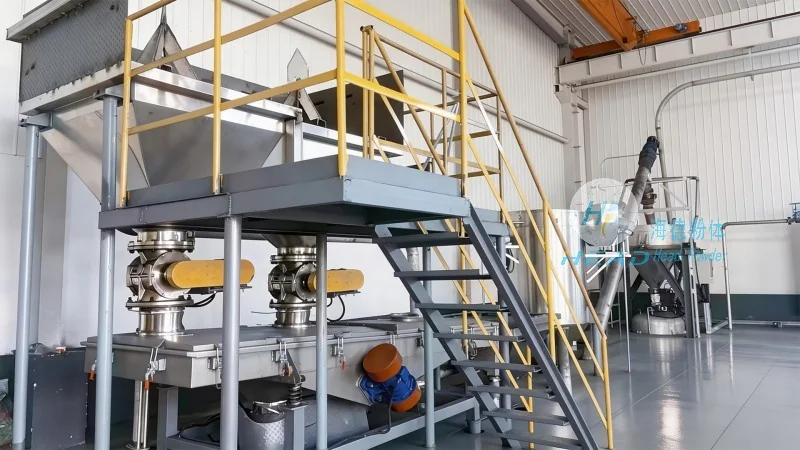
Key Features and Advantages of Advanced Anhydrous Sodium Sulfate Handling Equipment
Modern anhydrous sodium sulfate material handling equipment incorporates several key features that enhance its performance and reliability. These include advanced control systems for precise speed and capacity adjustment, automated dust collection systems to maintain a clean working environment, and durable materials that resist corrosion and wear from the material being handled. The equipment also features easy maintenance and cleaning capabilities, reducing downtime and operational costs. Additionally, many systems are designed with energy efficiency in mind, using variable speed drives to optimize power consumption and reduce operational costs. These features collectively contribute to the overall efficiency and effectiveness of the material handling process.
Conclusion: The Importance of Specialized Equipment for Anhydrous Sodium Sulfate Handling
In conclusion, the proper handling of anhydrous sodium sulfate requires specialized equipment designed to address the unique challenges of this material. The principles and characteristics of such equipment, including its design, functionality, and operational environment, are critical to ensuring safe, efficient, and cost-effective material transportation. By understanding these aspects, industries can select the most appropriate equipment for their specific needs, optimizing their production processes and maintaining compliance with safety and environmental regulations. HeadPowder, with its expertise and commitment to quality, continues to provide advanced material handling solutions tailored to the needs of various industrial sectors, including those that rely on anhydrous sodium sulfate.