When it comes to efficient material handling in industrial settings, especially for bulk materials like pearl sand, pneumatic conveying systems offer a reliable and versatile solution. This article delves into the concept of a pearl sand pneumatic conveying system, exploring its fundamental design principles and how they contribute to optimal performance in various applications.
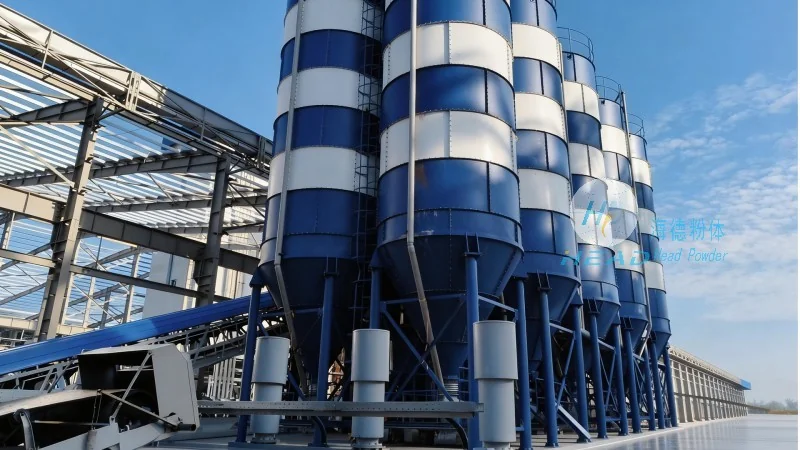
Pneumatic Conveying: An Overview
Pneumatic conveying, also known as air conveying, is a method of transporting bulk materials through a pipeline using a stream of air. Unlike mechanical systems that rely on belts, buckets, or screws, pneumatic systems utilize air pressure to move materials, making them ideal for handling fine powders and granules such as pearl sand. The process involves creating a pressure differential between the inlet and outlet of the system, which propels the material through the pipeline.
Pearl Sand: The Material in Focus
Pearl sand, a fine-grained material often used in construction, filtration, and other industrial applications, presents unique challenges when it comes to transportation. Its small particle size and potential for dust generation require specialized equipment to ensure safe and efficient handling. A pneumatic conveying system is particularly well-suited for pearl sand due to its ability to handle fine powders without the need for mechanical components that could cause clogging or wear.
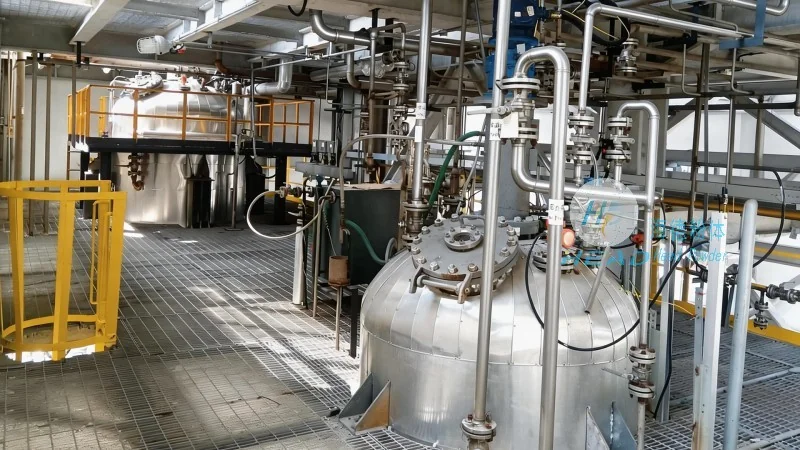
The Core Design Principles of a Pearl Sand Pneumatic Conveying System
The design of a pearl sand pneumatic conveying system is governed by several key principles that ensure effective material transport. These principles include pressure control, flow rate management, and system configuration. Each component of the system, from the hopper and feeder to the pipeline and receiver, plays a critical role in maintaining the integrity of the material and the efficiency of the conveying process.
Key Components and Their Functions
A typical pearl sand pneumatic conveying system consists of several essential components. The hopper serves as the storage and feeding unit, where the pearl sand is loaded and prepared for transport. The feeder, often a rotary valve or a screw feeder, regulates the flow of material into the pipeline. The pipeline itself is designed to withstand the pressure and friction of the conveying process, with appropriate bends and fittings to maintain flow efficiency. The receiver is the final component, where the material is deposited after being conveyed through the system.
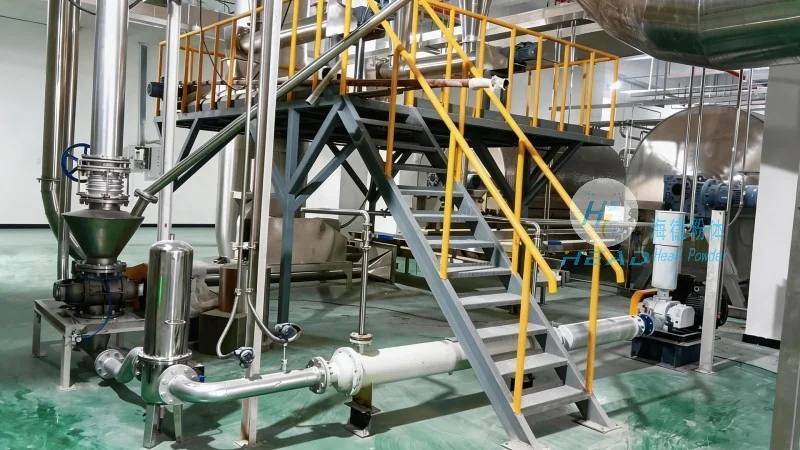
Design Considerations for Optimal Performance
Designing a pneumatic conveying system for pearl sand involves careful consideration of several factors. The choice of air pressure and flow rate is critical, as it directly impacts the system's capacity and efficiency. The material's properties, such as particle size, density, and moisture content, also influence the design, as they affect the air requirements and potential for clogging. Additionally, the system's layout and the number of bends in the pipeline can impact the overall performance, with minimal bends and smooth transitions being preferred to maintain consistent flow.
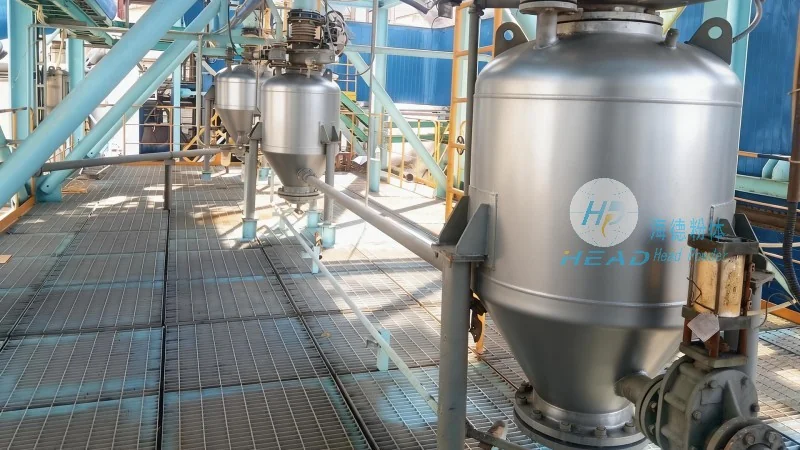
Advantages of Using a Pearl Sand Pneumatic Conveying System
Implementing a pneumatic conveying system for pearl sand offers numerous advantages over traditional mechanical systems. These include reduced maintenance costs, as there are fewer moving parts, and improved safety, as the system operates in a closed environment, minimizing dust exposure. The system also allows for precise control over the material flow, enabling better process control and reduced material loss. Furthermore, pneumatic conveying systems can be easily integrated into existing production lines, making them a flexible solution for various industrial applications.
Conclusion
In conclusion, a pearl sand pneumatic conveying system is a sophisticated and efficient solution for handling fine materials like pearl sand. By understanding its design principles and key components, industries can optimize their material handling processes, improving productivity and reducing operational costs. With the expertise of companies like Shandong HeadPowder Engineering Co., Ltd., which specializes in engineering such systems, businesses can achieve reliable and effective material transport solutions tailored to their specific needs.




