Pneumatic conveying equipment plays a crucial role in the modern foundry industry, particularly when handling mold sand powders. These systems are essential for efficiently transporting bulk materials like mold sand from one location to another within a manufacturing facility. The technology behind these devices ensures reliable, dust-free, and energy-efficient material handling, making them a preferred choice for foundries seeking to enhance operational efficiency and maintain product quality.
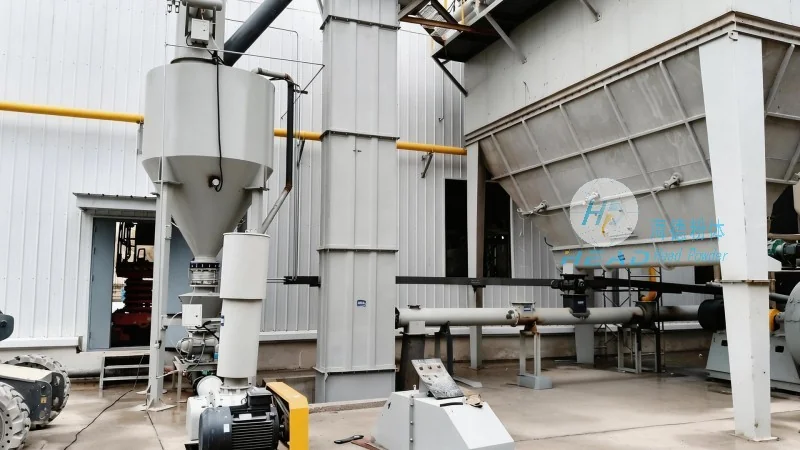
The Fundamental Principle of Pneumatic Conveying
The core principle of pneumatic conveying for mold sand powders involves using air to transport particulate materials through a pipeline. This method can be categorized into two main types: suction (or negative pressure) conveying and pressure (or positive pressure) conveying. In suction systems, a vacuum is created at the material intake point, drawing the sand particles into the pipeline using a fan or blower. Conversely, pressure systems use compressed air to push the material through the pipeline from a storage silo or hopper. Both methods are designed to handle fine powders like mold sand, which can be challenging to transport due to their light weight and tendency to create dust. The choice between suction and pressure systems depends on factors such as the distance to be covered, the amount of material to be moved, and the specific characteristics of the mold sand being processed.
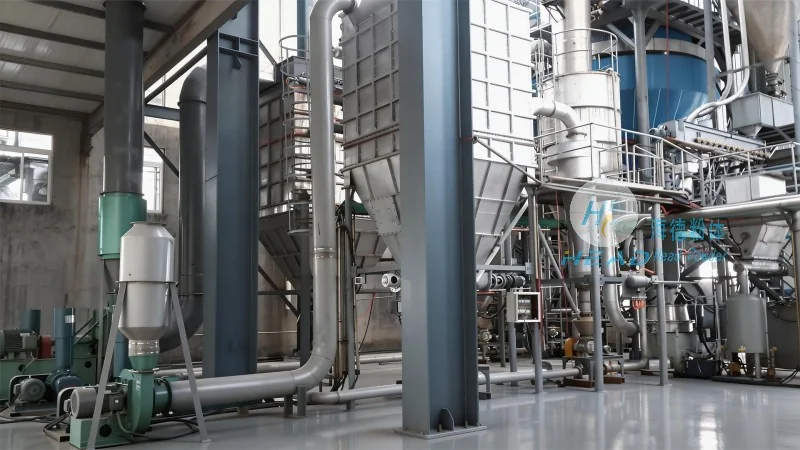
Key Working Scenario Characteristics
When evaluating pneumatic conveying equipment for mold sand applications, several working scenario characteristics are critical to consider. These include the material's flowability, moisture content, and particle size distribution, as these factors directly impact the system's performance and efficiency. For instance, mold sand with high moisture content may require additional drying steps or specialized equipment to prevent clogging and ensure smooth transport. Similarly, the particle size and shape of the sand can affect the air velocity needed to maintain a consistent flow rate. Another important scenario characteristic is the system's ability to handle variations in material feed rate, as foundries often experience fluctuations in production demand. A well-designed pneumatic conveying system should be able to adapt to these changes without compromising the quality of the transported material or the integrity of the pipeline.
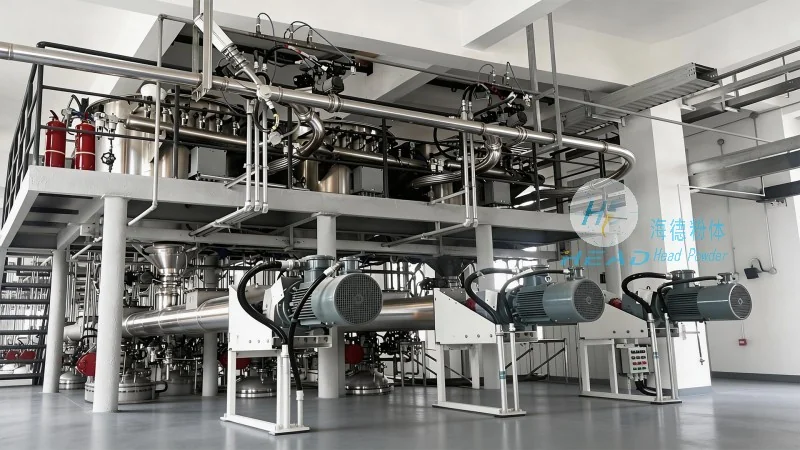
Application Scenarios in Foundry Operations
Pneumatic conveying equipment is widely used in various foundry operations, from raw material handling to finished product transport. One common application is the transfer of mold sand from storage silos to molding machines, where precise control over the material flow is essential to maintain consistent casting quality. In this scenario, the equipment must be capable of delivering a uniform flow rate, as variations can lead to defects in the final castings. Another application is the return of used mold sand from the molding line back to the reclamation system, where the equipment must handle contaminated or mixed materials without causing contamination to the clean sand supply. Additionally, pneumatic conveying systems are used in the transport of additives, such as binders or coatings, which are often added to the mold sand to improve its properties. These additives are typically delivered in small quantities and require precise dosing, making the conveying system a critical component in the overall production process.
Advantages of Pneumatic Conveying for Mold Sand
Compared to traditional methods like belt conveyors or bucket elevators, pneumatic conveying offers several advantages when handling mold sand powders. One of the most significant benefits is the ability to transport materials in a dust-free environment, which improves workplace safety and reduces the risk of respiratory issues for workers. Additionally, pneumatic systems are more compact and require less floor space, making them ideal for facilities with limited room for large equipment. The technology also provides better control over the material flow, allowing for precise dosing and consistent delivery rates. This precision is particularly important in foundries where small variations in material composition can lead to significant differences in casting quality. Furthermore, pneumatic conveying systems are generally more energy-efficient than other methods, as they use air as the primary transport medium rather than mechanical components like belts or buckets.
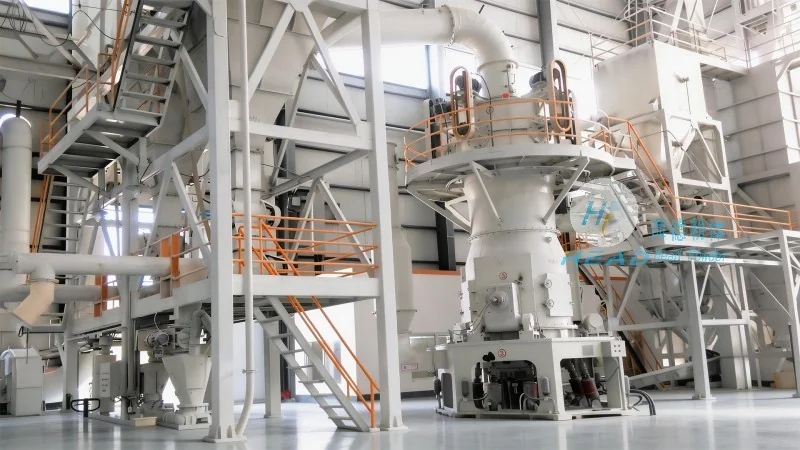
Company Overview: Shandong HeadPowder Engineering Co., Ltd.
HeadPowder, a leading manufacturer of pneumatic conveying equipment, specializes in providing customized solutions for the foundry industry. With a focus on innovation and quality, the company has developed advanced systems tailored to the unique needs of mold sand processing. HeadPowder's products are designed to meet the highest standards of performance and reliability, ensuring that foundries can operate efficiently and maintain product quality. The company's headquarters is located in Shandong, China, where it has a team of experienced engineers and technicians dedicated to research and development. HeadPowder's commitment to customer satisfaction and technical excellence has made it a trusted partner for foundries worldwide, helping them to improve their material handling processes and enhance overall productivity.




