HeadPowder, a leading engineering firm based in Shandong, China, specializes in the design and implementation of advanced pneumatic conveying systems for handling arsenic trioxide powders. This article delves into the fundamental principles of such systems and highlights key operational scenarios where their application is most effective.
Principles of Pneumatic Conveying for Arsenic Trioxide
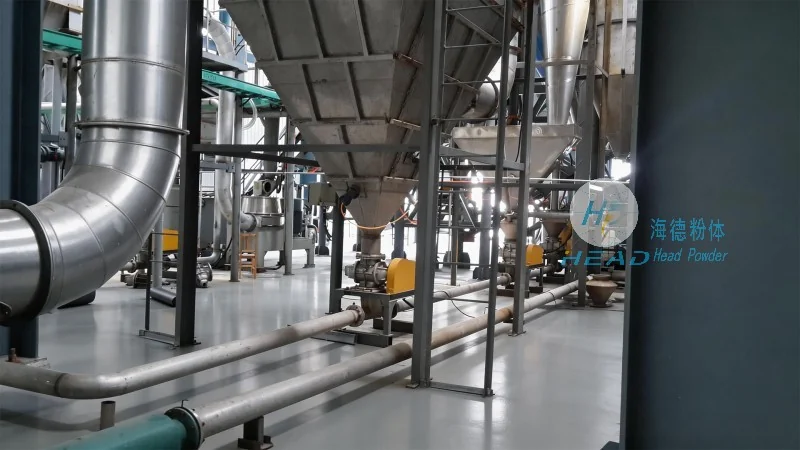
The core principle of a pneumatic conveying system involves the use of compressed air or other gases to transport solid particles through a pipeline. For arsenic trioxide, a highly toxic and hazardous material, the system must be engineered with stringent safety measures to prevent dust dispersion and ensure environmental compliance. The system typically comprises a feeding mechanism, a conveying line, a separation unit, and a discharge device. The feeding section ensures the powder is introduced into the pipeline without blockages, while the conveying line uses differential pressure to move the material. The separation unit, often a cyclone or bag filter, separates the powder from the air stream, and the discharge device delivers the material to the target location. The choice of conveying method—such as dilute-phase or dense-phase—depends on the particle size, moisture content, and the required distance of transport. Dilute-phase systems are suitable for short distances and low to medium particle loads, while dense-phase systems are preferred for longer distances and higher particle concentrations, as they reduce the risk of material degradation and system clogging.
Key Operational Scenarios and System Advantages
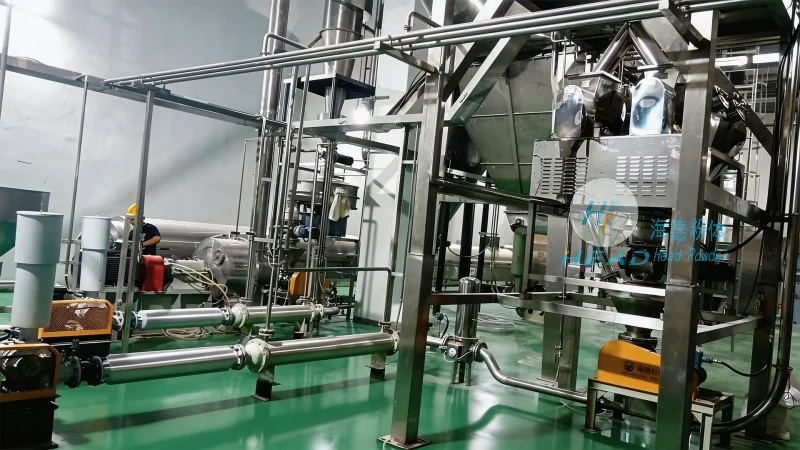
HeadPowder's pneumatic conveying systems for arsenic trioxide are deployed in various industrial settings, each tailored to specific process requirements. One primary application is in the pharmaceutical and chemical industries, where the material is transported from storage silos to processing units or packaging lines. The systems are designed to maintain a closed-loop environment, minimizing exposure risks to operators and preventing contamination of the surrounding air. Another critical scenario involves the handling of arsenic trioxide in mining and metallurgical operations, where the material is transferred from ore processing facilities to storage or treatment plants. In these cases, the system must handle larger particle sizes and higher bulk densities, often requiring dense-phase conveying to ensure efficient and reliable transport. Additionally, the systems are used in environmental remediation projects, where arsenic trioxide is transported from contaminated sites to disposal facilities. Here, the emphasis is on compliance with environmental regulations, including dust control and emissions monitoring. The advantages of pneumatic conveying in these scenarios include enhanced safety due to enclosed systems, reduced labor costs compared to manual handling, and improved process efficiency by minimizing material loss and downtime. The systems also offer flexibility in terms of layout, as they can be integrated into existing industrial infrastructure without major structural modifications.
Technical Considerations and Safety Measures
When designing a pneumatic conveying system for arsenic trioxide, several technical factors must be carefully considered to ensure optimal performance and safety. Particle size and density are critical parameters, as they directly impact the system's capacity and pressure requirements. For example, finer particles may require higher air velocities to prevent clogging, while larger particles may necessitate higher pressure differentials. Moisture content is another important factor, as excess moisture can cause agglomeration and reduce conveying efficiency. The system must be equipped with moisture control mechanisms, such as drying units or humidifiers, to maintain the desired particle condition. Material compatibility is also a key consideration, as the conveying components must be resistant to corrosion and chemical attack from arsenic trioxide. HeadPowder utilizes high-quality materials, such as stainless steel and specialized coatings, to ensure long-term durability and reliability. Safety measures are integrated throughout the system design, including explosion-proof components, dust collection systems, and emergency shut-off valves. These measures comply with international safety standards, such as those set by the Occupational Safety and Health Administration (OSHA) and the European Union's REACH regulations. Regular maintenance and monitoring are essential to prevent system failures and ensure continuous operation. HeadPowder provides comprehensive maintenance services, including routine inspections, component replacement, and performance testing, to minimize downtime and maximize system lifespan.
Conclusion and Company Expertise
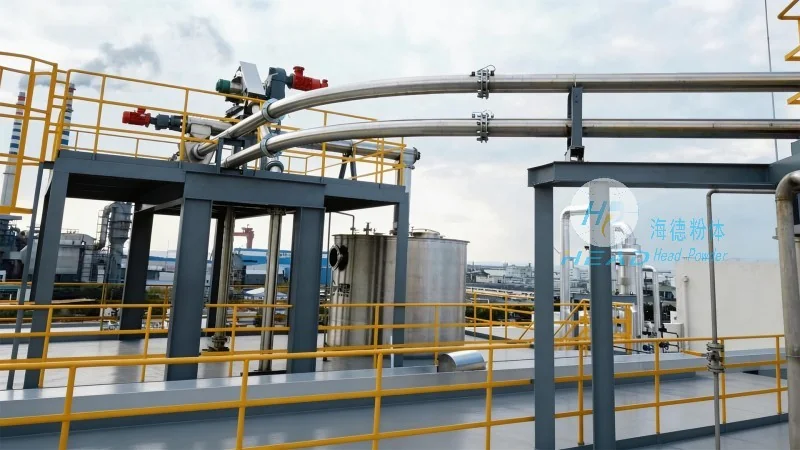
HeadPowder Engineering Co., Ltd., with its headquarters in Shandong, China, is a trusted provider of pneumatic conveying solutions for arsenic trioxide applications. By combining advanced engineering principles with rigorous safety standards, the company delivers systems that meet the demanding requirements of various industrial sectors. The operational scenarios highlighted in this article demonstrate the versatility and effectiveness of HeadPowder's systems, which are designed to enhance safety, efficiency, and compliance in the handling of hazardous powders. As the industry evolves, HeadPowder remains committed to innovation, continuously developing new technologies and solutions to address the evolving needs of its clients. With a strong focus on customer satisfaction and long-term partnerships, HeadPowder continues to be a leader in the field of pneumatic conveying systems for arsenic trioxide and other hazardous materials.




