

What is a Ammonium Chloride Pneumatic Conveying System? And What Are Its Design Principles?
Ammonium chloride is a widely used chemical compound in various industrial applications, and the efficient handling of this material often requires specialized equipment. One such solution is the ammonium chloride pneumatic conveying system, a technology designed to transport solid particles like ammonium chloride through the use of air or other gases. This article explores the fundamental aspects of such systems, including their operational principles and key design considerations.
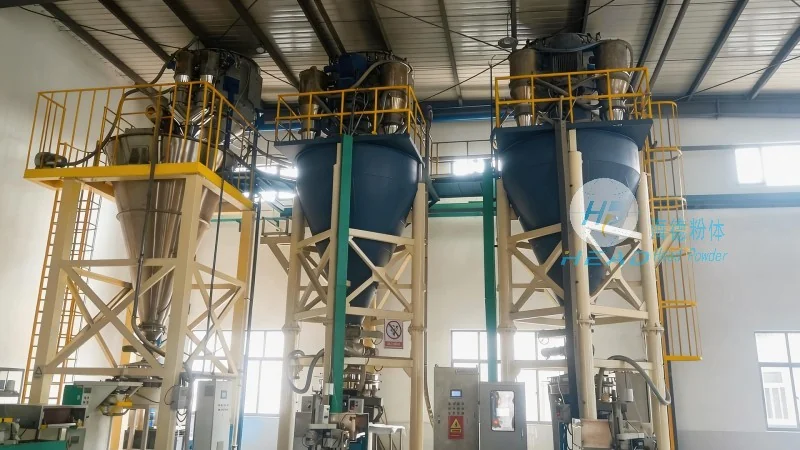
Introduction to Ammonium Chloride Pneumatic Conveying Systems
Pneumatic conveying systems are essential in industries where the safe and reliable transport of bulk materials is critical. For ammonium chloride, which is often handled in large quantities and may present challenges due to its physical properties, a well-designed pneumatic conveying system can enhance process efficiency, reduce labor costs, and improve overall safety. These systems are particularly valuable in applications such as chemical manufacturing, fertilizer production, and material processing, where the need to move ammonium chloride from storage to processing units or between different stages of production is common.
Understanding the Core Function of the System
The primary function of an ammonium chloride pneumatic conveying system is to move solid particles through a pipeline using a moving gas stream. This method, known as pneumatic transport, relies on the force generated by the gas to lift and propel the material. In the case of ammonium chloride, the system typically operates by creating a pressure differential or using a vacuum to draw the material into the conveying line. The gas, often air, is introduced at a controlled velocity, ensuring that the particles are entrained and transported without causing blockages or excessive wear on the system components.
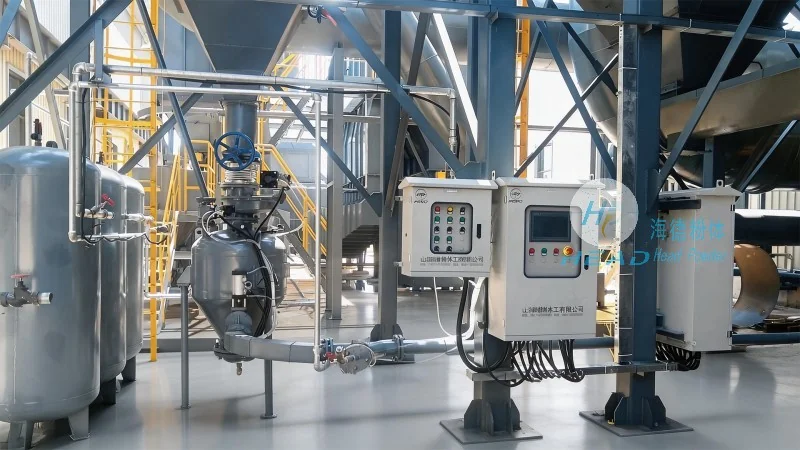
Key Design Principles and Technical Aspects
The design of an effective ammonium chloride pneumatic conveying system involves several critical principles and technical considerations. First, the system must be tailored to the specific characteristics of ammonium chloride, including its particle size distribution, density, and flowability. For example, if the ammonium chloride particles are fine and have a tendency to agglomerate, the system may require additional features such as a pre-drying or de-agglomeration step to ensure smooth transport. Second, the pressure and velocity of the conveying air are crucial. High-pressure systems are often used for long-distance or high-capacity transport, while low-pressure or vacuum systems are suitable for shorter distances or when the material needs to be moved gently to avoid degradation.
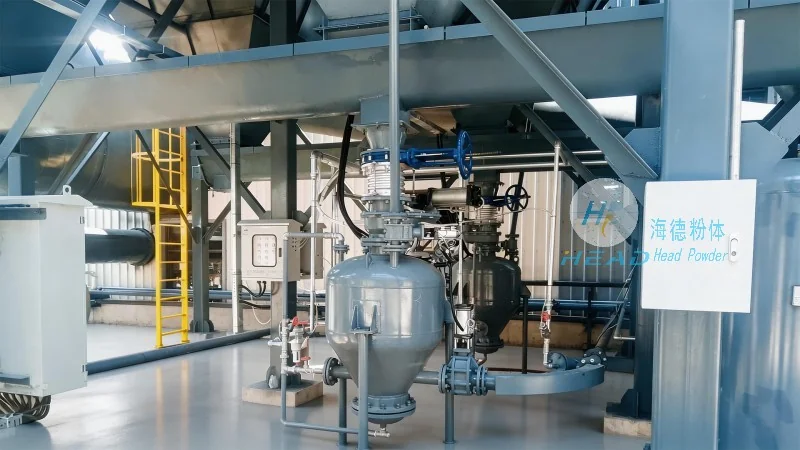
Another important design aspect is the selection of materials for the conveying components. Since ammonium chloride can be corrosive or abrasive under certain conditions, the system components—such as pipes, valves, and pumps—must be constructed from durable, corrosion-resistant materials like stainless steel or special alloys. This ensures longevity and maintains the purity of the material being transported. Additionally, the system design must incorporate features for efficient separation and recovery of the conveying air, as well as for preventing dust emissions and ensuring compliance with environmental regulations.
Company Profile: Shandong HeadPowder Engineering Co., Ltd.
Shandong HeadPowder Engineering Co., Ltd. is a leading provider of industrial equipment solutions, specializing in the design and manufacturing of pneumatic conveying systems for various bulk materials. With a strong presence in China, the company is located in Shandong province, a region known for its robust industrial infrastructure and expertise in chemical engineering. HeadPowder Engineering has built a reputation for delivering high-quality, customized solutions that meet the specific needs of clients in the chemical, fertilizer, and material processing industries. The company’s commitment to innovation, quality control, and customer service has made it a trusted partner for businesses seeking reliable and efficient material handling systems.
Conclusion
In summary, an ammonium chloride pneumatic conveying system is a sophisticated piece of equipment that plays a vital role in the efficient and safe handling of this important chemical. By understanding the core principles of pneumatic transport and applying appropriate design considerations, such systems can optimize material flow, reduce operational costs, and enhance overall process reliability. For industries dealing with ammonium chloride, partnering with a reputable company like Shandong HeadPowder Engineering Co., Ltd. can ensure the selection and implementation of a system that meets both technical and operational requirements.