What is a Sorghum Powder Conveying Line? And What Are Its Design Principles?
Release time:2026-09-14 16:51:49
name of the company:Shandong Headpowder Engineering Co., Ltd.
telephone:156-6277-7102
contacts:Zhang manager
This article provides an overview of sorghum powder conveying lines, focusing on their design principles and operational aspects. The content is tailored for industry professionals seeking to understand the technology behind efficient sorghum powder handling systems. We will explore the key components, functionality, and engineering considerations that make these systems effective in various industrial applications.
Understanding the Sorghum Powder Conveying Line
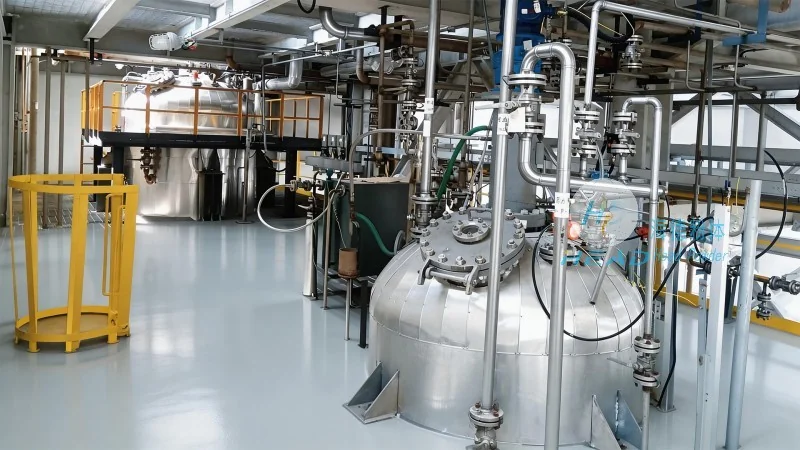
A sorghum powder conveying line is a specialized system designed to transport sorghum powder from one location to another within a processing facility. These systems are critical in industries such as food processing, animal feed production, and biofuel manufacturing, where the efficient movement of fine sorghum powder is essential for maintaining production efficiency and product quality. The line typically consists of several interconnected components, including hoppers, conveyors, and control systems, all working in harmony to ensure smooth and continuous material flow.
Key Components of the Conveying Line
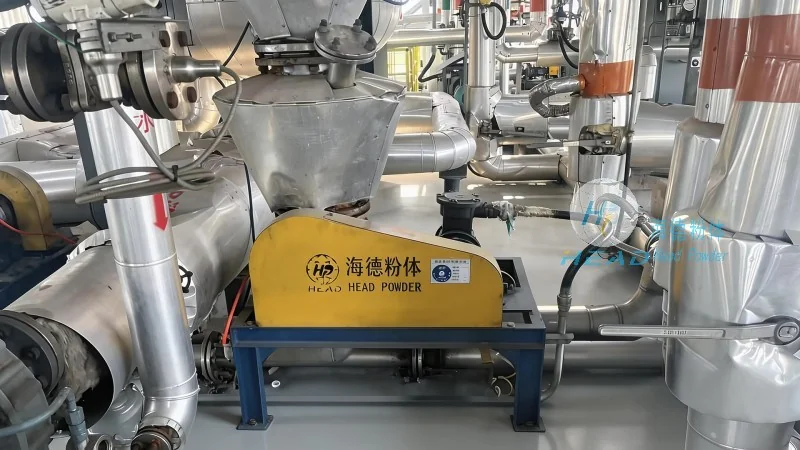
The design of a sorghum powder conveying line involves several key components that work together to achieve optimal performance. The primary components include:
- Hoppers: These are storage containers that hold the sorghum powder before it is conveyed. They are designed to minimize material degradation and prevent contamination. The hoppers are often equipped with level sensors to monitor the powder level and trigger the start of the conveying process when the material reaches a certain threshold.
- Conveyors: The heart of the system, conveyors are responsible for moving the sorghum powder through the line. Common types include pneumatic conveyors (air-assisted), screw conveyors, and bucket elevators. Pneumatic conveyors are particularly effective for fine powders like sorghum, as they use air pressure to transport the material without direct contact, reducing the risk of product degradation and contamination.
- Control Systems: Modern sorghum powder conveying lines are equipped with advanced control systems that monitor and regulate the entire process. These systems include sensors for detecting powder levels, flow rates, and pressure, as well as control panels that allow operators to adjust the speed and direction of the conveyor. The control systems ensure that the conveying process is safe, efficient, and consistent, minimizing downtime and maximizing productivity.
- Filters and Dust Collectors: Due to the fine nature of sorghum powder, dust control is a critical aspect of the design. Filters and dust collectors are integrated into the system to capture and remove airborne particles, ensuring a clean and safe working environment. This also helps to prevent product loss and maintain the quality of the sorghum powder.
Design Principles and Engineering Considerations
The design of a sorghum powder conveying line is based on several key principles to ensure optimal performance and reliability. Engineers must consider factors such as the properties of the sorghum powder, the required conveying capacity, and the layout of the processing facility. The following are some of the critical design principles:
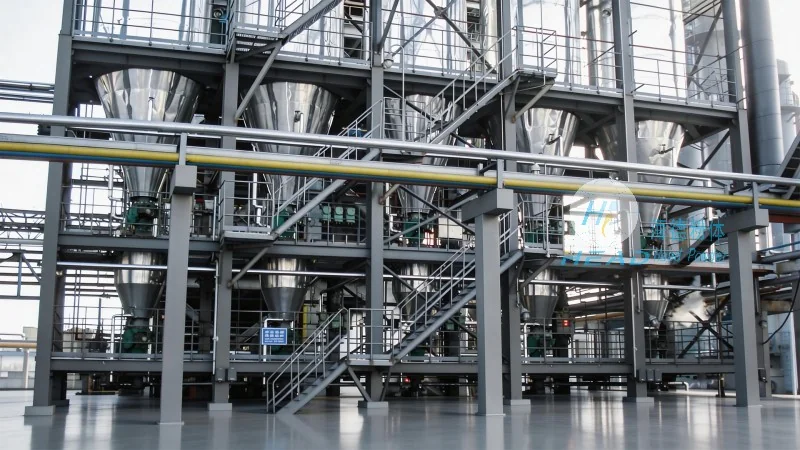
- Material Flow Analysis: Before designing the conveying line, engineers perform a thorough analysis of the material flow. This includes determining the powder's bulk density, flowability, and moisture content, as well as the required conveying capacity. The analysis helps to select the appropriate conveyor type and dimensions to ensure efficient material movement.
- Preventing Material Degradation: Sorghum powder is susceptible to degradation due to factors such as heat, friction, and exposure to air. The design of the conveying line must minimize these risks. For example, using pneumatic conveyors with low pressure and temperature control can help preserve the quality of the powder. Additionally, the use of smooth, non-stick surfaces in the hoppers and conveyors reduces friction and prevents the powder from sticking to the equipment.
- Minimizing Air Leaks and Pressure Loss: In pneumatic conveying systems, air leaks and pressure loss can significantly reduce the efficiency of the system. The design must include proper sealing and insulation to maintain the required air pressure and minimize energy consumption. This ensures that the system operates efficiently and economically.
- Ensuring Safety and Compliance: The design of the conveying line must comply with relevant safety and environmental regulations. This includes proper ventilation, dust control measures, and emergency stop systems. The use of explosion-proof components in areas where there is a risk of dust accumulation is also essential to prevent accidents and ensure the safety of operators.
Operational Benefits of a Sorghum Powder Conveying Line
Implementing a sorghum powder conveying line offers several operational benefits for industrial facilities. These benefits include:




