

Working Principle and Characteristics of Magnesium Silicate Material Handling
HeadPowder, a leading engineering company based in Shandong, China, specializes in the design and implementation of efficient material handling systems for various industrial applications. This article delves into the working principle and key characteristics of magnesium silicate material handling, providing a comprehensive overview for industry professionals seeking to understand this critical process.
Company Overview
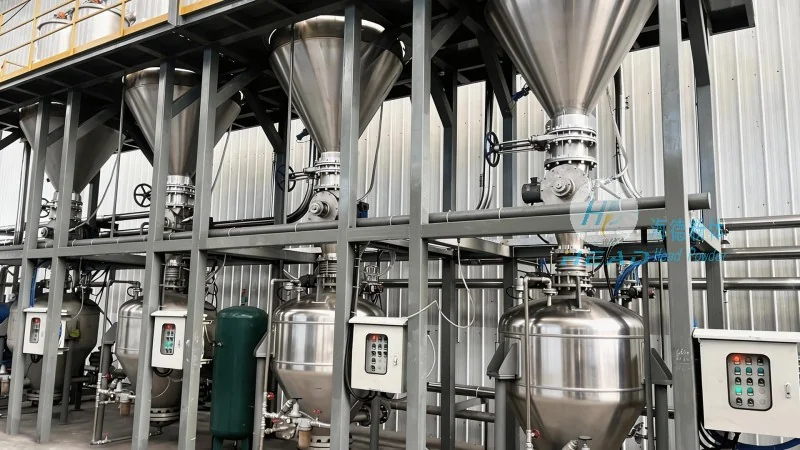
Shandong HeadPowder Engineering Co., Ltd. is a reputable firm dedicated to advancing material handling solutions. With a strong focus on innovation and reliability, the company has established itself as a trusted partner in the industry. HeadPowder's expertise lies in developing tailored systems that optimize material flow, enhance operational efficiency, and ensure safety in handling magnesium silicate and other similar materials.
The Working Principle of Magnesium Silicate Material Handling
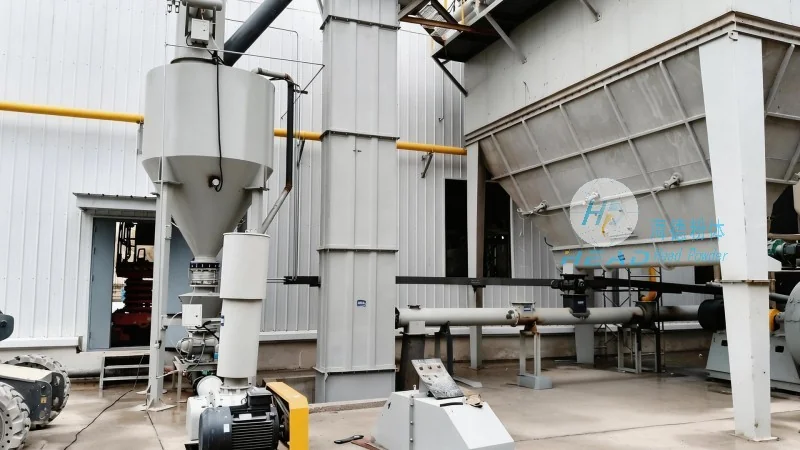
The process of magnesium silicate material handling typically involves a series of integrated steps designed to ensure smooth and controlled movement of the material from one point to another. The working principle centers on the use of specialized equipment and a systematic approach to material transport. Initially, the magnesium silicate is prepared in a suitable form, such as powder or granules, and then fed into the handling system. The system may include components like feeders, conveyors, and storage bins, which work in tandem to move the material through the process. For instance, a screw conveyor or belt conveyor might be employed to transport the material horizontally or vertically, depending on the layout of the facility. The feeding mechanism ensures a consistent flow rate, preventing overloading or underloading of the equipment. Additionally, the system may incorporate control mechanisms to adjust the speed and direction of material movement, adapting to varying production demands. The overall goal is to maintain a steady and efficient flow of magnesium silicate, minimizing downtime and maximizing throughput.
Key Characteristics of Magnesium Silicate Material Handling
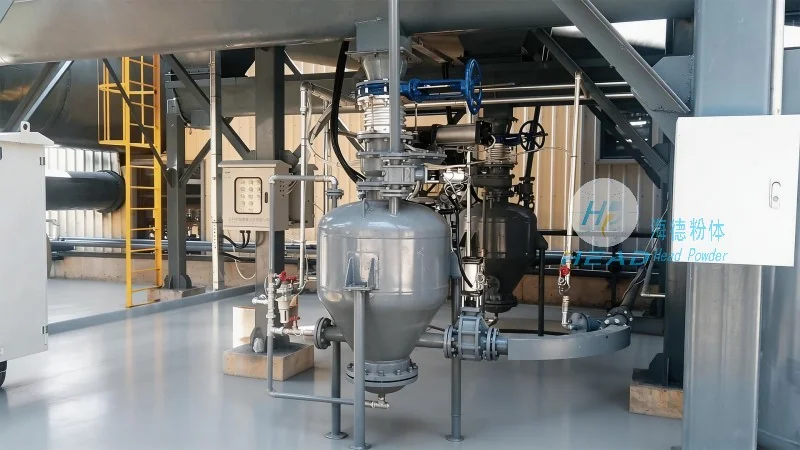
Several distinct characteristics define the effectiveness of magnesium silicate material handling systems. Firstly, the system is designed for high efficiency, ensuring that the material is moved quickly and with minimal waste. This is achieved through optimized equipment selection and proper system integration. Secondly, the handling process emphasizes safety and reliability. The use of robust materials and well-engineered components reduces the risk of accidents and equipment failure. Thirdly, the system offers flexibility, allowing for adjustments to accommodate different material types or production volumes. This adaptability is crucial in dynamic industrial environments where requirements may change frequently. Furthermore, the handling process is characterized by its ability to maintain the quality of the magnesium silicate. Specialized equipment and handling techniques prevent contamination or degradation of the material, which is essential for maintaining product integrity. Lastly, the system is designed for ease of maintenance and operation, reducing the need for extensive training and minimizing operational costs over time.
Operational Advantages and Practical Applications
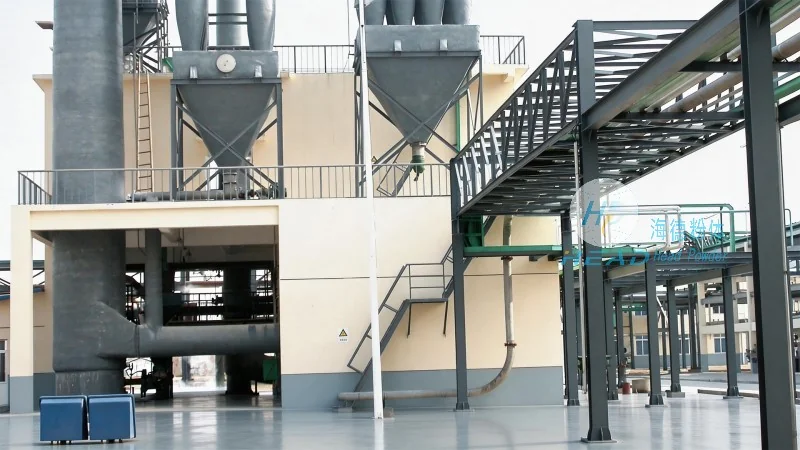
Implementing an effective magnesium silicate material handling system offers numerous operational advantages. The primary benefit is the significant improvement in production efficiency, as the system minimizes manual labor and reduces the time required for material transport. This leads to higher output and better resource utilization. Another advantage is the enhanced safety of the workplace, as automated systems reduce the risk of human error and physical injury. The system also contributes to cost savings by reducing energy consumption and maintenance expenses. In practical applications, these handling systems are widely used in industries such as chemical manufacturing, pharmaceuticals, and construction materials. For example, in the chemical industry, magnesium silicate is often used as a filler or additive, and efficient handling ensures that it can be incorporated into production processes without delays. In the construction sector, the material is used in various applications, and a reliable handling system supports the smooth supply of raw materials to manufacturing sites. Overall, the characteristics and working principles of magnesium silicate material handling make it an indispensable component of modern industrial operations.