

Working Principle and Features of Rice Husk Material Conveying
Understanding the working principle and features of rice husk material conveying systems is crucial for optimizing industrial processes in agricultural waste management and material handling. This article delves into the technical aspects, operational efficiency, and key characteristics of such systems, providing insights into how they function and why they are effective in handling rice husk materials.
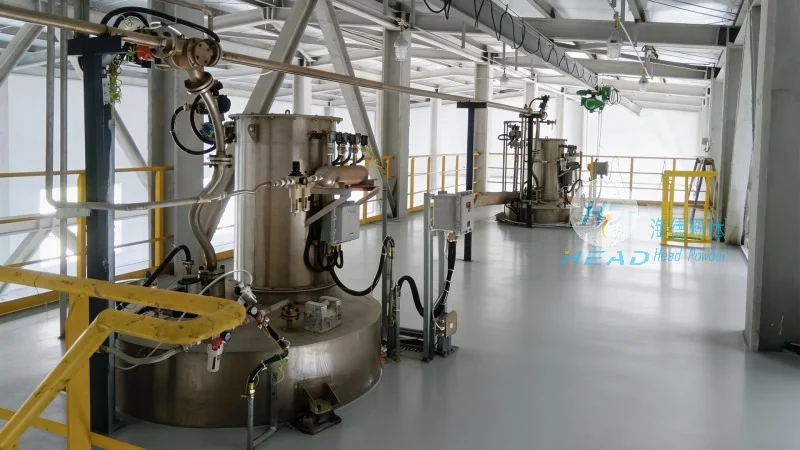
Introduction to Rice Husk Material Conveying Systems
Rice husk, a byproduct of rice processing, is a valuable resource in various industrial applications, including energy production, fertilizer manufacturing, and material processing. Efficient conveyance of rice husk is essential to streamline downstream processes and maximize resource utilization. The systems designed for this purpose are engineered to handle the unique properties of rice husk, such as its lightweight, abrasive nature, and tendency to create dust or caking. These characteristics necessitate specialized conveying solutions that ensure reliable and safe material transport.
Working Principle of Rice Husk Material Conveying
The core working principle of rice husk material conveying systems revolves around the use of mechanical components to transport bulk materials from one location to another. Common mechanisms include screw conveyors, belt conveyors, and pneumatic conveying systems, each tailored to the specific requirements of rice husk handling. For instance, screw conveyors utilize a rotating helical screw to move material along a trough, while belt conveyors employ a continuous belt with hoppers or feeders to transport the material. Pneumatic conveying systems, on the other hand, use air pressure to transport rice husk through a pipeline, which is particularly effective for handling fine or dusty materials.
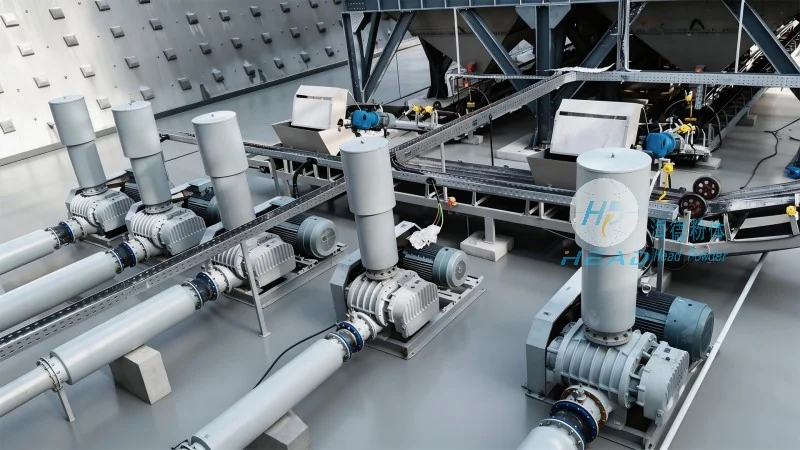
In the context of rice husk, the choice of conveying method depends on factors like the material's moisture content, particle size, and the distance to be covered. Screw conveyors are often preferred for horizontal or slight incline transport due to their ability to handle abrasive materials without excessive wear. Belt conveyors are suitable for longer distances and larger volumes, offering high throughput and low maintenance. Pneumatic systems excel in applications requiring dust-free transport or when the material needs to be conveyed vertically or over long horizontal distances.
Key Features of Rice Husk Material Conveying Systems
Several key features distinguish effective rice husk material conveying systems, ensuring optimal performance and longevity. These features include:
- Material Compatibility: The components of the conveying system, such as screws, belts, and pipelines, are constructed from materials resistant to the abrasive and corrosive properties of rice husk. This prevents premature wear and ensures consistent operation over extended periods.
- Efficient Dust Control: Many systems incorporate dust suppression mechanisms, such as sealing covers or dust collection systems, to minimize airborne particles and maintain a clean working environment. This is particularly important in industrial settings where dust can affect equipment performance and worker health.
- Adjustable Speed and Capacity: Modern conveying systems often feature variable speed drives and adjustable feed mechanisms, allowing operators to control the flow rate and capacity based on production demands. This flexibility enhances process control and reduces material waste.
- Easy Maintenance and Cleaning: The design of the system includes features that facilitate regular maintenance and cleaning, such as removable components and easy access to internal parts. This reduces downtime and ensures the system operates at peak efficiency.
- Energy Efficiency: Advanced conveying systems are engineered to minimize energy consumption while maintaining high throughput. This includes the use of efficient motors, optimized conveyor designs, and energy recovery systems where applicable.
Applications and Benefits in Industrial Settings
Rice husk material conveying systems find widespread application in various industries, including biomass energy production, agricultural processing, and manufacturing. The primary benefits of these systems include improved process efficiency, reduced labor costs, and enhanced safety in material handling. By automating the transport of rice husk, industries can achieve higher production rates and lower operational costs, while minimizing the risk of accidents associated with manual handling of bulk materials.
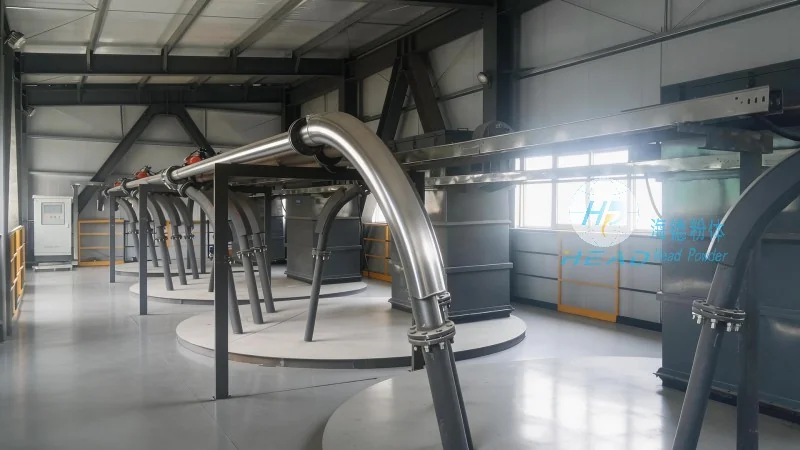
For example, in biomass power plants, efficient conveying of rice husk ensures a steady supply of fuel to the boiler, optimizing energy generation. In fertilizer production, the system facilitates the transport of rice husk to processing units, where it is converted into valuable organic fertilizers. In manufacturing, rice husk can be used as a raw material for composite materials, and the conveying system ensures a consistent feed to the production line.
Conclusion
In summary, rice husk material conveying systems are sophisticated solutions designed to handle the unique challenges of transporting this agricultural byproduct. By understanding the working principles and key features of these systems, industries can select the most appropriate equipment to meet their specific needs, leading to improved operational efficiency and resource utilization. The expertise of companies like Shandong HeadPowder Engineering Co., Ltd. in designing and manufacturing such systems plays a crucial role in advancing the effective use of rice husk in various industrial applications.