Introduction to Lithium Hydroxide Pneumatic Conveying Systems: Structure and Working Principles
Release time:2026-09-21 20:01:36
name of the company:Shandong Headpowder Engineering Co., Ltd.
telephone:156-6277-7102
contacts:Zhang manager
HeadPowder, a leading provider in the field, specializes in the design and implementation of advanced pneumatic conveying systems for lithium hydroxide. This article provides a comprehensive overview of the system's structure and operational principles, highlighting its key components and how they work together to ensure efficient material handling.
Key Components of the Pneumatic Conveying System
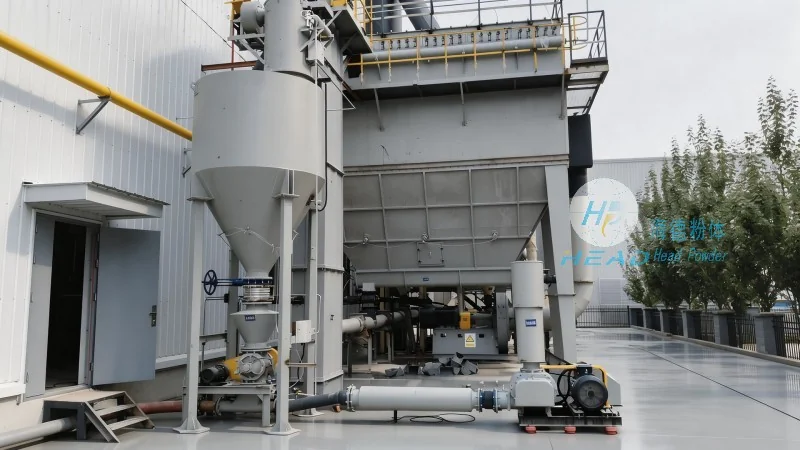
The lithium hydroxide pneumatic conveying system typically consists of several critical components that work in synergy to transport the material. The main elements include a hopper for material storage, a feeder to control the flow rate, a conveying line (often equipped with airlocks or cyclones), and a receiver for the discharged material. Each component plays a vital role in maintaining the system's efficiency and safety.
Structure and Working Principles
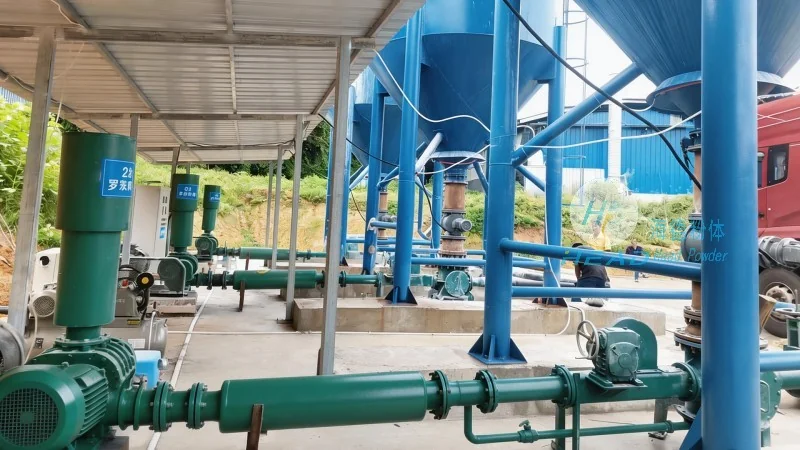
The system operates on the principle of using air or gas to transport solid particles through a pipeline. In the case of lithium hydroxide, which is a fine powder, the conveying process relies on the creation of a dense phase or dilute phase flow, depending on the system design. The hopper stores the lithium hydroxide, and the feeder regulates the material discharge into the conveying line. As air is introduced, it creates a flow that carries the powder through the pipeline to the receiver. The airlocks or cyclones help in separating the material from the air, ensuring that the material is deposited accurately in the receiver.
Company Profile: Shandong HeadPowder Engineering Co., Ltd.
HeadPowder, with its headquarters in Shandong, China, is a reputable engineering company dedicated to providing high-quality pneumatic conveying solutions. The company's expertise lies in customizing systems to meet the specific needs of clients, ensuring that the lithium hydroxide is handled safely and efficiently. With a focus on innovation and precision, HeadPowder delivers systems that enhance productivity and reduce operational costs for its clients.
Applications and Benefits
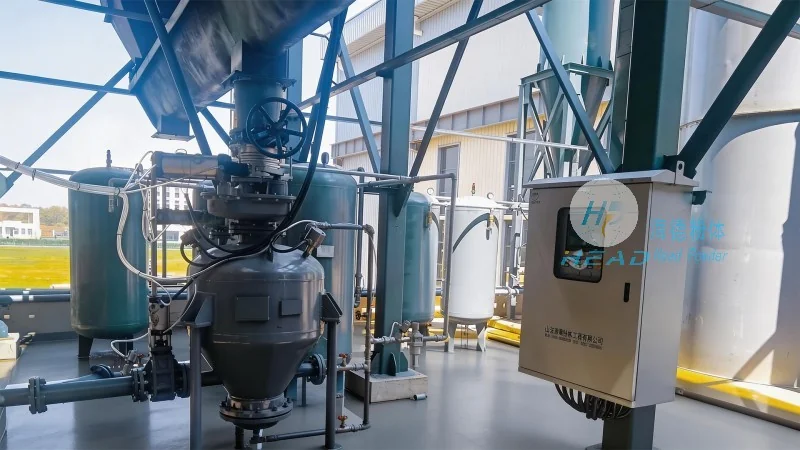
Lithium hydroxide is widely used in various industries, including battery manufacturing, where it serves as a key component in lithium-ion batteries. The pneumatic conveying system is particularly advantageous for transporting this material due to its ability to handle fine powders without the need for mechanical contact, which can help prevent contamination and degradation. The system's benefits include improved safety, reduced labor costs, and enhanced process control, making it an ideal solution for modern industrial applications.




