Desulfurization gypsum, a byproduct of flue gas desulfurization in thermal power plants, is a valuable material used in construction, agriculture, and other industries. The efficient transportation of this material is crucial for the smooth operation of production lines. The pneumatic conveying system designed by Shandong HeadPowder Engineering Co., Ltd. offers a reliable solution for handling desulfurization gypsum, ensuring high efficiency and minimal environmental impact.
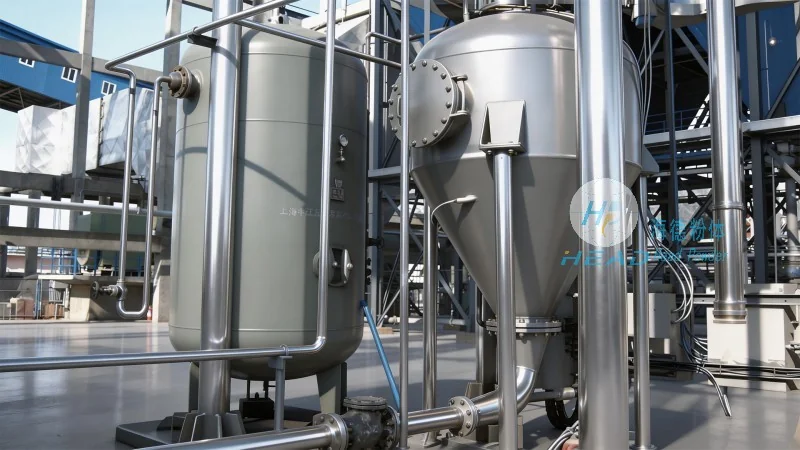
System Overview and Core Components
The desulfurization gypsum pneumatic conveying system developed by HeadPowder is engineered to handle bulk materials with precision and durability. The system typically consists of several key components that work in tandem to achieve effective material transport. These components include a material feeding device, a conveying pipeline network, a pressure vessel or receiver, and a control system. Each component is carefully selected to meet the specific requirements of gypsum handling, ensuring optimal performance under various operational conditions.
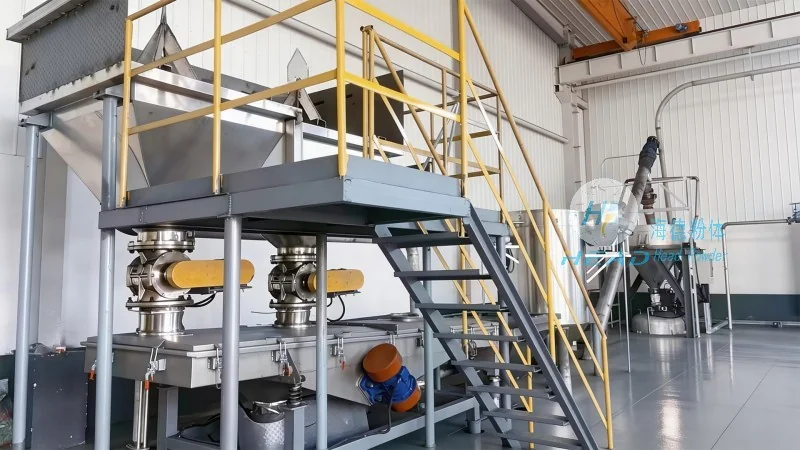
Working Principle of the Pneumatic Conveying Process
The operation of the pneumatic conveying system for desulfurization gypsum follows a systematic process. Initially, the gypsum material is fed into the system via a hopper or feeder, which regulates the flow rate to maintain consistent pressure and flow within the pipeline. A fan or blower then generates the necessary air pressure, creating a flow that propels the gypsum particles through the conveying pipeline. The pipeline network is designed with appropriate bends, valves, and expansion joints to accommodate changes in direction and pressure, minimizing material degradation and system wear. The material is collected in a receiver or storage tank at the end of the conveying line, where it can be further processed or utilized.
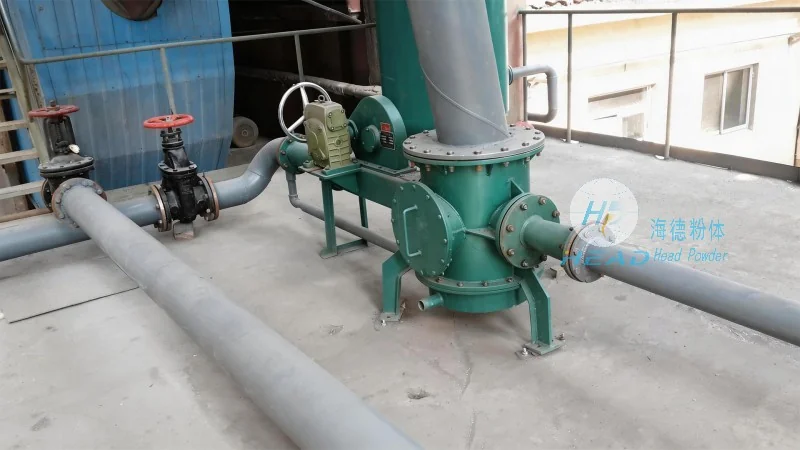
Advantages of the Pneumatic Conveying System
Compared to traditional mechanical conveying methods, the pneumatic system offers several advantages for desulfurization gypsum transport. Firstly, it eliminates the need for moving parts in the conveying line, reducing maintenance requirements and extending the system's service life. Secondly, the system provides a dust-free and hygienic environment, which is essential for applications in the construction and agricultural sectors. Additionally, the flexible pipeline layout allows for easy integration into existing production facilities, adapting to various plant layouts and operational needs. The energy efficiency of the system, particularly with optimized fan selection and pipeline design, contributes to lower operational costs and reduced environmental impact.
Application Scenarios and Operational Considerations
The desulfurization gypsum pneumatic conveying system is widely applicable in power plants, cement factories, and gypsum processing facilities. It is particularly suitable for long-distance transport of gypsum, where mechanical systems may face challenges such as material blockage or wear. Operational considerations include maintaining proper air pressure, monitoring material flow rates, and ensuring the cleanliness of the conveying pipeline to prevent clogging. Regular maintenance, such as cleaning filters and checking fan performance, is essential to sustain the system's efficiency and longevity. The system's adaptability to different gypsum compositions and particle sizes also makes it a versatile solution for various industrial applications.
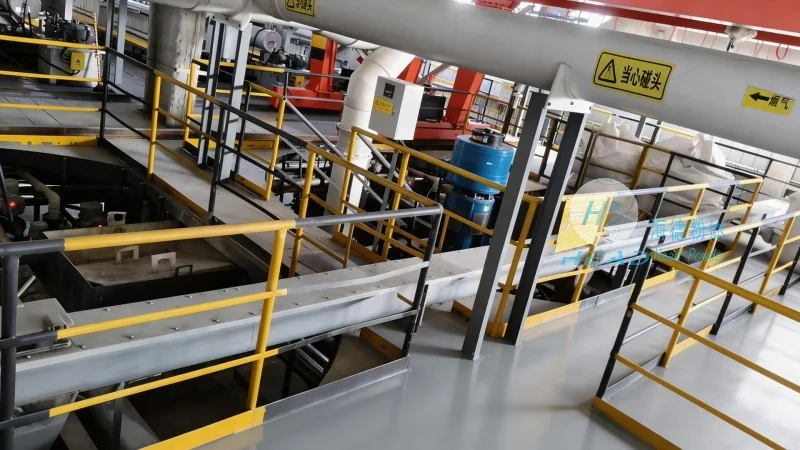
Conclusion and Company Profile
Shandong HeadPowder Engineering Co., Ltd., based in Shandong, China, specializes in the design and manufacturing of advanced material handling systems, including pneumatic conveying solutions for desulfurization gypsum. With a focus on innovation and customer-centric design, HeadPowder delivers systems that meet the highest standards of efficiency, reliability, and environmental compliance. The company's expertise in material flow engineering and system integration ensures that clients receive tailored solutions that enhance their production processes and contribute to sustainable industrial practices. By leveraging cutting-edge technology and rigorous quality control, HeadPowder continues to provide reliable and efficient pneumatic conveying systems that support the growing demand for desulfurization gypsum in various industries.




