For industries dealing with flake graphite powder, efficient and reliable material handling is crucial. The flake graphite powder pneumatic conveying equipment is a specialized system designed to transport this specific type of powder from one location to another. This equipment is integral to processes where the purity and integrity of the flake graphite powder must be maintained during transfer. Understanding its structure and operational principles is essential for optimizing performance and ensuring consistent quality in production lines.
Key Components of the Pneumatic Conveying System
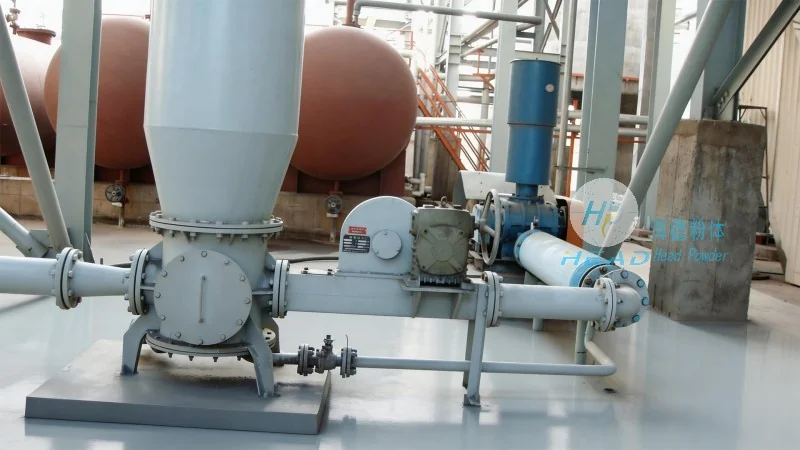
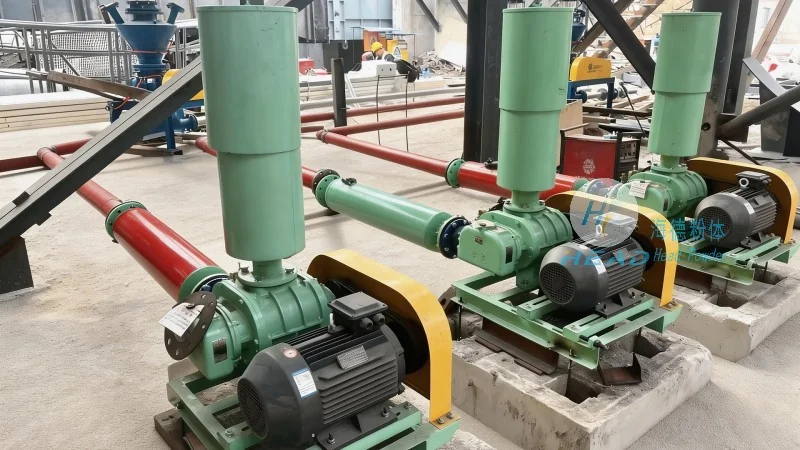
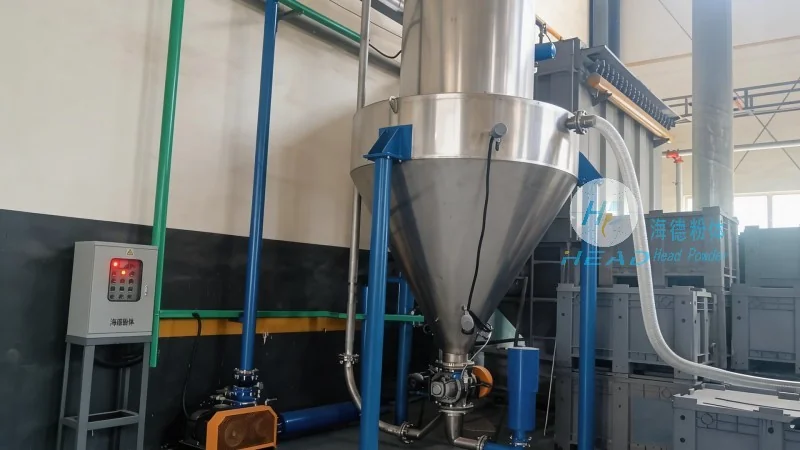
The flake graphite powder pneumatic conveying equipment typically consists of several key components that work in tandem to achieve effective material transport. These components include the hopper or feed hopper, which holds the flake graphite powder and regulates the flow into the system. The feed hopper is equipped with a valve or feeder mechanism to control the discharge rate, preventing overloading or underflow. The pipeline system, made from materials resistant to the chemical properties of graphite, forms the main pathway for the powder. This pipeline is often designed with bends and straight sections to navigate the layout of the facility. At the receiving end, a receiver or silo is used to collect the conveyed powder, and it may include a discharge valve or outlet for further processing. Additionally, the system incorporates a blower or air compressor that generates the necessary air pressure to move the powder particles through the pipeline. The blower is selected based on the required air volume and pressure to ensure adequate conveying velocity for the flake graphite powder, which has specific aerodynamic characteristics due to its particle size and shape.
Working Principle of the Pneumatic Conveying Process
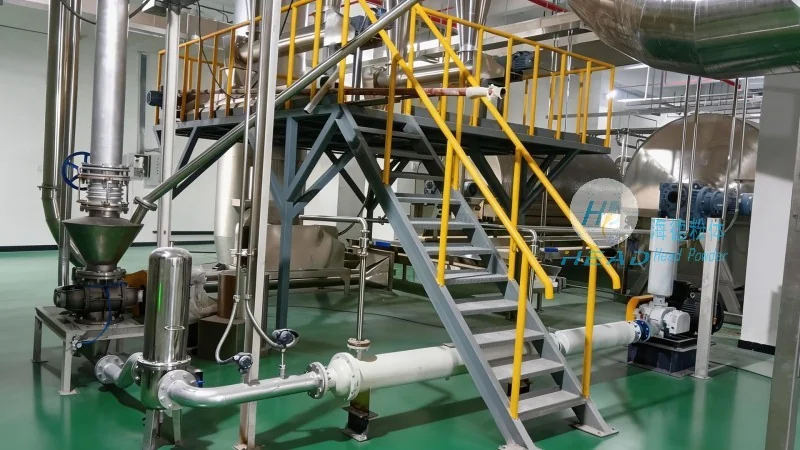
The operation of the flake graphite powder pneumatic conveying equipment follows a well-defined process that leverages the principles of fluid dynamics and particle transport. The system begins with the powder being fed from the hopper into the pipeline under the action of the blower's airflow. The blower creates a low-pressure zone in the pipeline, which draws the powder particles into the air stream. As the powder enters the pipeline, it becomes suspended in the air, forming a dilute or dense phase mixture depending on the air velocity and powder concentration. The velocity of the air must be sufficient to overcome the gravitational forces acting on the powder particles and any frictional losses within the pipeline. The conveying process can be categorized as either dilute-phase or dense-phase, with dilute-phase systems being more common for flake graphite powder due to the need to maintain particle integrity and prevent agglomeration. In dilute-phase conveying, the powder is dispersed in the air as individual particles, moving at high velocities through the pipeline. The receiver at the end of the system collects the powder, and the air is either filtered and recirculated or vented to the atmosphere, depending on the system design and environmental regulations.
Advantages of Using Pneumatic Conveying for Flake Graphite Powder
Implementing a pneumatic conveying system for flake graphite powder offers several advantages over traditional mechanical conveying methods. One of the primary benefits is the ability to maintain the purity and quality of the powder during transport. Unlike mechanical systems that may cause particle attrition or contamination through friction and contact with surfaces, pneumatic conveying minimizes these risks by keeping the powder suspended in air. This is particularly important for flake graphite powder, which is often used in high-purity applications such as battery anodes, lubricants, and refractory materials. Another advantage is the flexibility in system layout, as the pipeline can be routed around obstacles and through different levels of the facility without the need for complex mechanical components. The system also allows for easy integration with other processing equipment, such as mixing, drying, or packaging units, enabling a seamless flow of materials through the production line. Furthermore, pneumatic conveying can be designed to handle varying flow rates and powder characteristics, making it adaptable to different production scales and requirements. The energy efficiency of the system, when properly sized and operated, can also contribute to cost savings over time, especially when compared to systems that rely on multiple mechanical components and frequent maintenance.
Considerations for System Design and Installation
When designing and installing a flake graphite powder pneumatic conveying system, several factors must be considered to ensure optimal performance and longevity. The first consideration is the material selection for the pipeline and components, as flake graphite powder can be abrasive and may contain moisture or other contaminants that could affect the system's integrity. Materials such as stainless steel, polyethylene, or specialized coatings are commonly used to resist corrosion and wear. The pipeline diameter and length are critical parameters that affect the air velocity and pressure required for conveying. Proper sizing ensures that the powder is conveyed at an appropriate velocity to prevent settling or blockages in the pipeline. The blower or air compressor must be matched to the system's requirements, with sufficient capacity to maintain the required air pressure and volume. Additionally, the system should include features such as filters to remove dust from the air, and pressure relief valves to prevent over-pressurization. The hopper and feeder design must be optimized to prevent clogging and ensure consistent powder flow, as fluctuations in feed rate can impact the conveying efficiency. Regular maintenance, including cleaning of the pipeline and components, is essential to maintain system performance and prevent downtime. Proper training of operators on the system's operation and troubleshooting is also important to ensure safe and efficient operation.
Applications and Industries Using Flake Graphite Powder Pneumatic Conveying
The flake graphite powder pneumatic conveying equipment is widely used in various industries that rely on high-purity flake graphite. In the battery industry, for example, flake graphite is used as an anode material in lithium-ion batteries, and the conveying system must maintain the powder's purity to ensure battery performance and longevity. The chemical industry also utilizes flake graphite in the production of lubricants, pigments, and refractory materials, where consistent quality is critical. Additionally, the metallurgical industry uses flake graphite in the manufacturing of steel and other alloys, and the conveying system helps in the efficient transfer of the powder to processing units. The pharmaceutical industry may also use flake graphite in certain applications, such as as a lubricant or filler, where the powder's purity and particle size are important. Each of these industries benefits from the ability of the pneumatic conveying system to handle flake graphite powder without compromising its quality, ensuring that the final product meets the required specifications.




