

What is a Glass Slag Pneumatic Conveying Equipment? Introduction to the Structure and Principle of P
Understanding the design and functionality of glass slag pneumatic conveying equipment is crucial for industries dealing with high-temperature and abrasive materials. This equipment, often referred to as a powder conveying system, is engineered to efficiently transport glass slag—a byproduct of glass manufacturing processes—over long distances with minimal wear and tear on components.
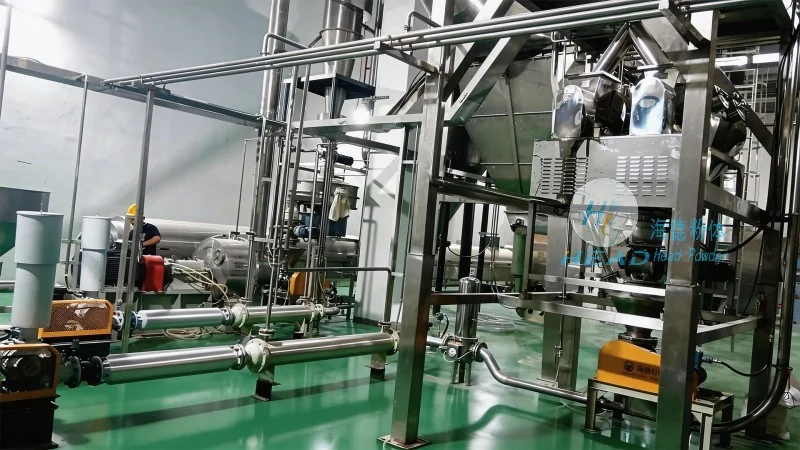
Overview of Glass Slag Pneumatic Conveying Equipment
Glass slag, also known as glass cullet or furnace slag, is a granular material resulting from the cooling and solidification of molten glass. It is typically used as a raw material in the production of new glass products or as a filler in construction materials. Due to its abrasive nature and high temperature during handling, conventional mechanical conveyors are often unsuitable. Pneumatic conveying systems offer a solution by using compressed air to move the material through a pipeline, reducing friction and mechanical stress on the equipment.
Key Components of the Pneumatic Conveying System
The glass slag pneumatic conveying equipment consists of several critical components that work in tandem to ensure efficient material transport. These include the hopper, feeder, air compressor, conveying pipeline, and discharge unit. Each component plays a vital role in the overall operation of the system.
The Hopper and Feeder
The hopper is the initial storage container where glass slag is loaded. It is designed with a wide opening to facilitate easy loading and a sloped bottom to prevent material bridging. The feeder, usually a rotary valve or a screw feeder, regulates the flow of glass slag from the hopper into the conveying pipeline. This component ensures a consistent and controlled feed rate, preventing overloading or underloading of the system.
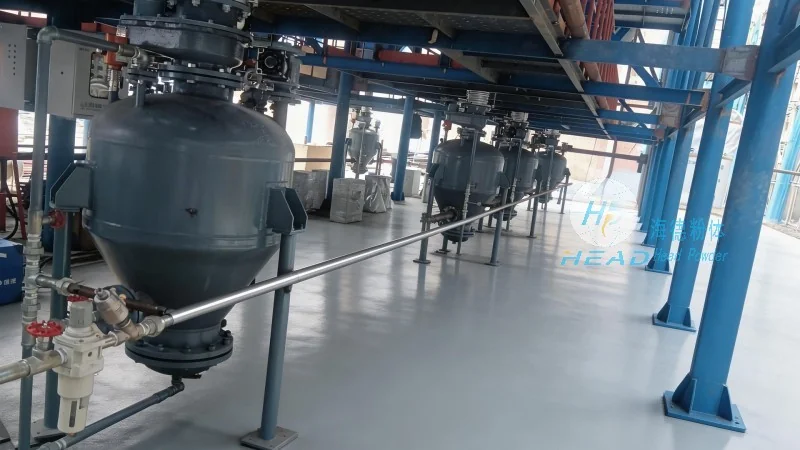
The Air Compressor and Air Treatment System
The air compressor is the heart of the pneumatic conveying system, responsible for generating the necessary pressure to move the glass slag through the pipeline. It compresses ambient air and delivers it at a high pressure to the conveying line. To ensure the longevity of the equipment and the quality of the conveyed material, an air treatment system is typically integrated. This system includes filters to remove moisture and particulate matter from the compressed air, preventing corrosion and blockages in the pipeline.
The Conveying Pipeline and Material Transport
The conveying pipeline is made of materials resistant to abrasion and high temperatures, such as stainless steel or special alloys. It is designed with smooth internal surfaces to minimize friction and wear from the glass slag particles. The pipeline can be either positive pressure or negative pressure, depending on the application. In positive pressure systems, air is blown into the pipeline, pushing the material forward. In negative pressure systems, air is drawn out of the pipeline, creating a vacuum that pulls the material. For glass slag, positive pressure systems are more common due to the material's abrasive nature.
The Discharge Unit and Collection System
The discharge unit is located at the end of the conveying pipeline and is responsible for releasing the glass slag into the target location, such as a storage silo or a processing unit. It is designed to handle the high temperature and abrasive properties of the glass slag. The collection system, often a silo or a hopper, stores the conveyed glass slag until it is ready for further processing or use.
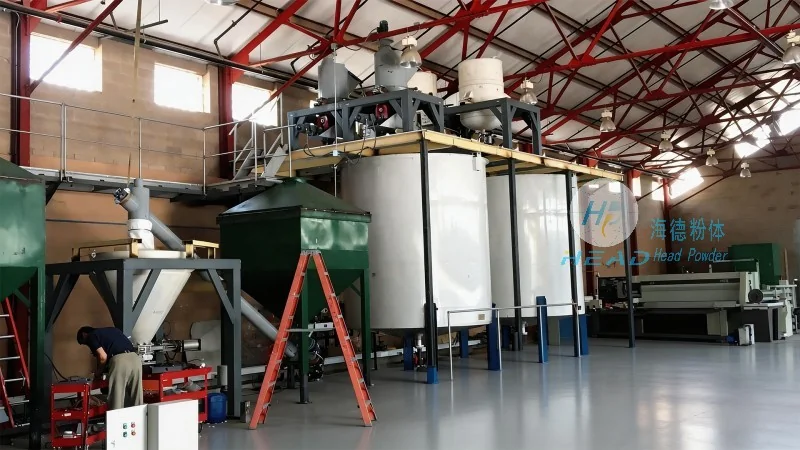
Advantages of Using Pneumatic Conveying for Glass Slag
Compared to traditional mechanical conveyors, glass slag pneumatic conveying equipment offers several advantages. First, it reduces the risk of material contamination and cross-contamination, as the material is enclosed within the pipeline. Second, it minimizes dust emissions, making it more environmentally friendly. Third, it can transport glass slag over long distances without the need for multiple transfer points, improving operational efficiency. Fourth, it reduces maintenance costs due to the absence of moving parts in the conveying line.
Applications in Glass Manufacturing and Related Industries
Glass slag pneumatic conveying equipment is widely used in the glass manufacturing industry for transporting cullet from the furnace to the processing area. It is also used in construction and recycling industries where glass slag is used as a raw material for new products. The equipment is suitable for both batch and continuous operations, making it versatile for various production needs.
Conclusion
Glass slag pneumatic conveying equipment is a sophisticated system designed to efficiently handle the challenges of transporting abrasive and high-temperature materials like glass slag. By understanding its structure and principles, industries can optimize their material handling processes, reduce costs, and improve overall operational efficiency. The equipment, manufactured by companies like Shandong HeadPowder Engineering Co., Ltd. based in China, offers reliable and durable solutions for glass slag transport, contributing to the sustainability and productivity of glass and related industries.