For industrial applications involving sodium hydroxide powder, efficient and reliable material handling is crucial. The pneumatic conveying system designed by Shandong HeadPowder Engineering Co., Ltd. addresses these needs by providing a robust solution for transporting sodium hydroxide powder with precision and safety. This article provides an overview of the system's structure and working principles, highlighting its key components and operational mechanisms.
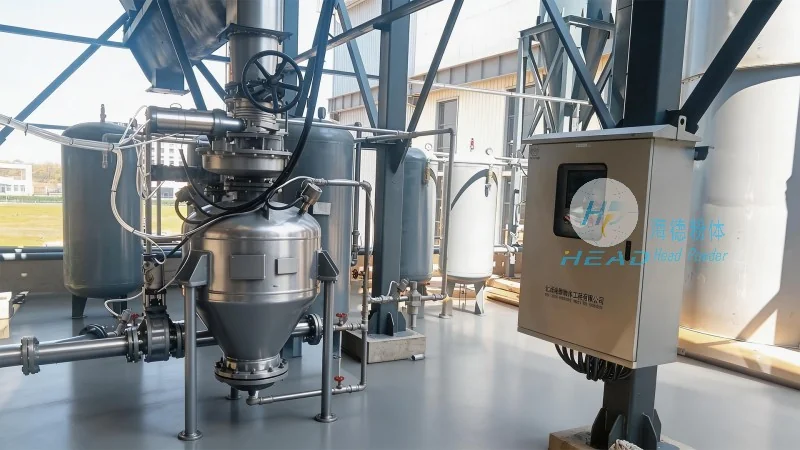
Company Profile: Shandong HeadPowder Engineering Co., Ltd.
Shandong HeadPowder Engineering Co., Ltd., commonly known as headpowder, is a leading manufacturer specializing in engineering solutions for powder handling systems. With a focus on innovation and quality, the company has established itself as a trusted provider in the industry. HeadPowder's expertise lies in designing and manufacturing systems that meet the stringent requirements of various industrial sectors, including chemical processing, pharmaceuticals, and food processing. The company's headquarters is located in Shandong, China, where it operates its research and development facilities, production plants, and customer support centers.
Overview of the Sodium Hydroxide Powder Pneumatic Conveying System
The sodium hydroxide powder pneumatic conveying system is engineered to transport sodium hydroxide powder from storage silos or hoppers to processing units or packaging areas. This system utilizes air as the conveying medium, enabling the material to be moved through a network of pipes and ducts without the need for mechanical components like conveyor belts or buckets. The system is designed to handle sodium hydroxide powder with high efficiency, ensuring minimal product degradation and consistent flow rates.
Key Components of the Pneumatic Conveying System
The pneumatic conveying system for sodium hydroxide powder consists of several critical components that work in tandem to ensure smooth operation. These components include the material feed hopper, the air compressor or blower, the conveying pipeline, the control valves, and the receiving hopper or discharge unit. Each component plays a vital role in the overall functionality of the system.
Material Feed Hopper
The material feed hopper is the initial component where sodium hydroxide powder is stored before being fed into the conveying system. It is typically designed with a sloped bottom to facilitate the flow of powder into the feeder. The hopper may include a rotary valve or a gate valve to control the rate of material discharge. This component ensures that the powder is introduced into the system in a controlled manner, preventing blockages and maintaining consistent flow.
Air Compressor or Blower
The air compressor or blower is the power source of the pneumatic conveying system. It generates the necessary air pressure to move the sodium hydroxide powder through the pipeline. The choice of compressor or blower depends on the system's capacity and the distance over which the powder needs to be conveyed. For sodium hydroxide powder, a positive displacement blower or a centrifugal compressor is commonly used, as they can provide the required pressure and airflow while maintaining energy efficiency.
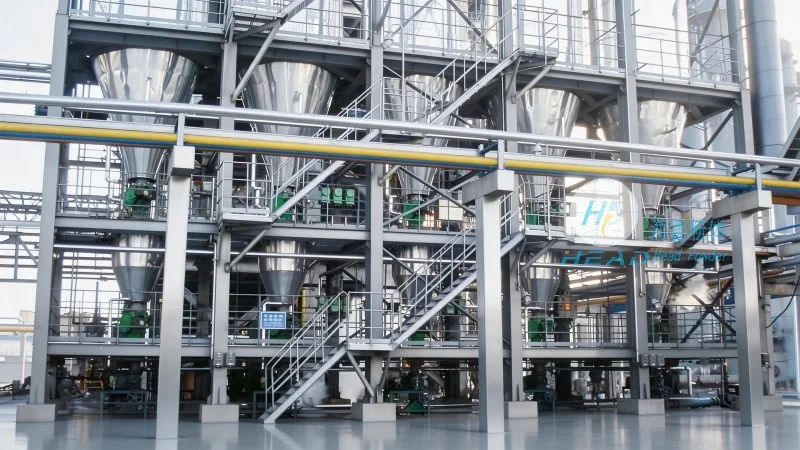
Conveying Pipeline
The conveying pipeline is a network of pipes that transports the sodium hydroxide powder from the feed hopper to the receiving hopper. The pipeline is typically made of materials such as stainless steel or polyethylene, which are resistant to corrosion and chemical exposure from sodium hydroxide. The pipeline may include bends, elbows, and straight sections, and is designed to minimize pressure losses and maintain the flow of powder. The diameter of the pipeline is selected based on the system's capacity and the particle size of the sodium hydroxide powder.
Control Valves
Control valves are used to regulate the flow of air and powder within the system. These valves can be manual or automated and are used to adjust the pressure, flow rate, and direction of the conveying process. For sodium hydroxide powder, the control valves are often made of corrosion-resistant materials to withstand the chemical properties of the material. They are essential for maintaining system stability and preventing over-pressurization or under-pressurization.
Receiving Hopper or Discharge Unit
The receiving hopper or discharge unit is the final component of the pneumatic conveying system. It is where the sodium hydroxide powder is deposited after being conveyed through the pipeline. The hopper is designed to collect the powder and may include a discharge valve or a rotary valve to control the release of the material into the next processing stage. The receiving hopper is typically equipped with a level indicator to monitor the powder level and ensure proper operation.
Working Principle of the Pneumatic Conveying System
The working principle of the sodium hydroxide powder pneumatic conveying system involves the creation of a high-pressure air stream that lifts and transports the powder particles through the pipeline. The process begins when the air compressor or blower generates a high-pressure air flow. This air is then introduced into the conveying pipeline, where it meets the sodium hydroxide powder in the feed hopper. The air flow creates a negative pressure or a high-velocity stream that entrains the powder particles, forming a slurry-like mixture known as a "pneumatic stream."
As the air and powder mixture travels through the pipeline, the velocity of the air remains sufficient to keep the powder particles suspended and prevent them from settling. The pipeline's design, including the use of bends and elbows, is optimized to maintain the flow of the mixture without causing excessive pressure drops or particle separation. The receiving hopper captures the powder as the air flow slows down and the particles settle due to gravity.
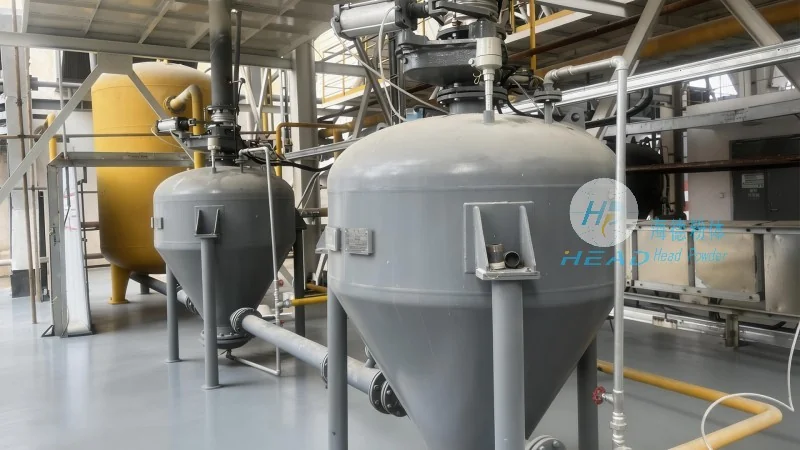
Advantages of the Sodium Hydroxide Powder Pneumatic Conveying System
The pneumatic conveying system for sodium hydroxide powder offers several advantages over traditional mechanical conveying methods. These advantages include improved safety, as the system eliminates the need for manual handling of the powder, reducing the risk of exposure to dust and chemicals. The system also provides better control over the flow rate and pressure, ensuring consistent and reliable material transport. Additionally, the pneumatic system is more flexible in terms of layout, as it can be easily reconfigured to accommodate changes in production processes or facility expansions.
Another key advantage is the reduced risk of product contamination. The closed system design prevents the powder from coming into contact with external contaminants, maintaining the purity of the sodium hydroxide. This is particularly important for applications where the powder is used in pharmaceutical or food processing industries, where product quality and safety are paramount. The system also minimizes material degradation, as the powder is transported in a controlled environment with minimal friction and impact.
Applications and Industries
The sodium hydroxide powder pneumatic conveying system is widely used in various industrial applications where sodium hydroxide is a key raw material. These applications include chemical manufacturing, where sodium hydroxide is used in the production of soaps, detergents, and other chemical products. The system is also used in the paper and pulp industry, where sodium hydroxide is employed in the pulping process. Additionally, the system finds applications in the food and beverage industry, where sodium hydroxide is used as a food additive or in the processing of certain food products.
In the pharmaceutical industry, the system is used to transport sodium hydroxide powder for the production of various medications and pharmaceutical intermediates. The system's ability to maintain product purity and prevent contamination makes it an ideal choice for pharmaceutical applications. The system is also used in the metal processing industry, where sodium hydroxide is used for metal cleaning and surface treatment.
Conclusion
The sodium hydroxide powder pneumatic conveying system developed by Shandong HeadPowder Engineering Co., Ltd. is a sophisticated and reliable solution for the efficient handling of sodium hydroxide powder. By leveraging pneumatic technology, the system ensures safe, consistent, and high-quality transport of the material, meeting the demands of various industrial sectors. With its robust design and advanced components, the system offers significant advantages over traditional conveying methods, making it a preferred choice for industries that require precise and reliable material handling solutions.




