Plaster powder pneumatic conveying systems are critical for efficient material handling in construction and related industries. These systems utilize air pressure to transport dry powders like plaster over long distances, offering advantages such as reduced dust, enhanced safety, and improved process control. The following overview details the key components, operational principles, and structural design of such systems, tailored for applications involving plaster powder.
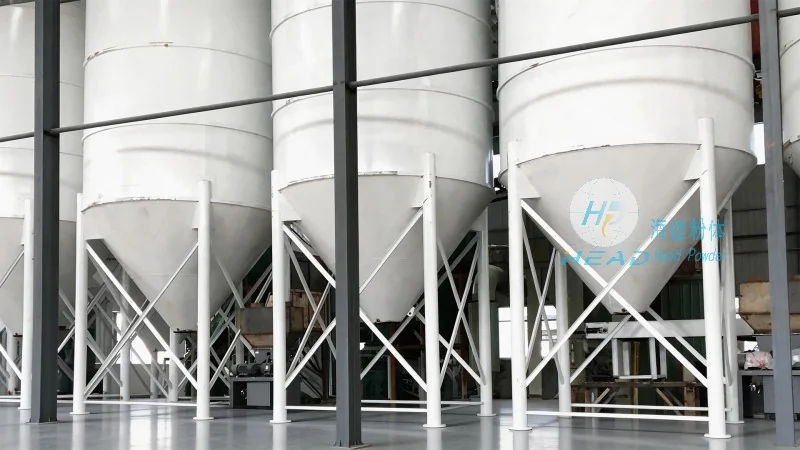
Key Components of the Pneumatic Conveying System
The core components of a plaster powder pneumatic conveying system include the hopper, feeder, air compressor, pipeline, and receiver. The hopper serves as the storage container, holding the plaster powder in a controlled environment. The feeder, typically a rotary valve or screw feeder, regulates the flow of powder into the system, ensuring consistent material delivery. The air compressor generates the necessary pressure to move the powder through the pipeline. The pipeline, often made of stainless steel or plastic, transports the powder and air mixture. Finally, the receiver collects the delivered plaster powder, separating it from the air using a cyclone or filter.
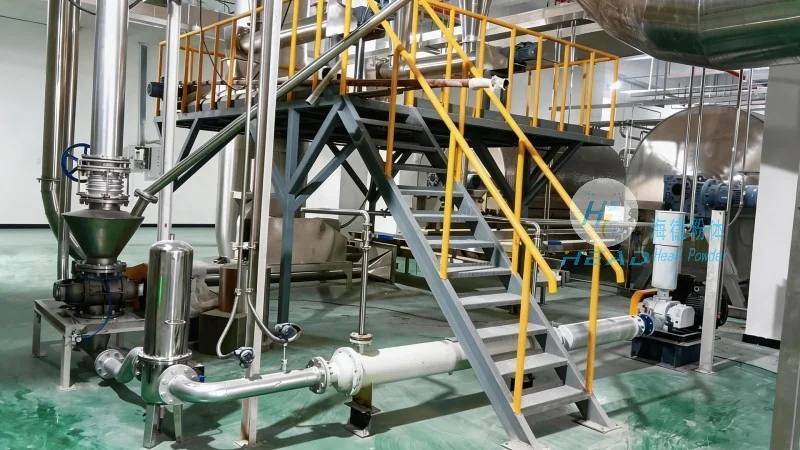
Structural Principles and Working Mechanism
The structural design of a pneumatic conveying system for plaster powder is optimized for efficiency and reliability. The system operates on the principle of pneumatic transport, where compressed air creates a flow that entrains the powder particles. The air velocity within the pipeline must be sufficient to keep the powder suspended, preventing clogging and ensuring smooth transport. The system's design considers factors such as powder properties (e.g., particle size, density), conveying distance, and required flow rate. For plaster powder, which is fine and can be prone to agglomeration, the system incorporates features like air classifiers and vibration devices to maintain particle integrity and prevent blockages.
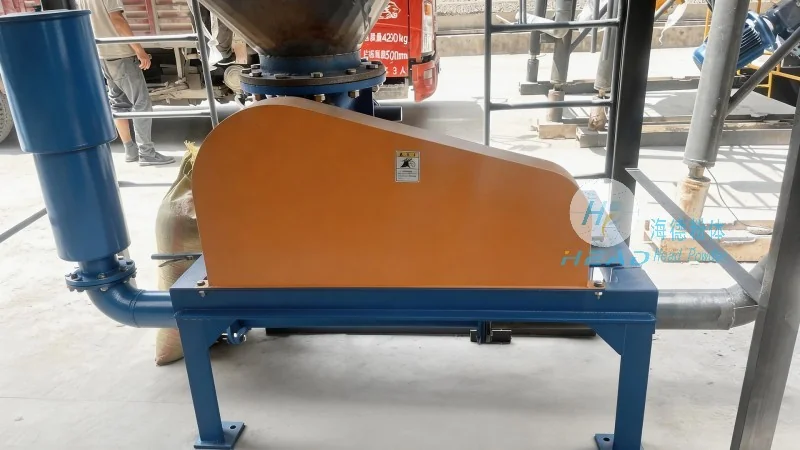
Advantages of Plaster Powder Pneumatic Conveying Systems
Implementing a pneumatic conveying system for plaster powder offers several benefits. Firstly, it minimizes dust exposure, enhancing workplace safety and reducing environmental impact. Secondly, it improves material handling efficiency by enabling continuous, automated transport, reducing labor costs and downtime. Thirdly, the system provides better control over the powder flow, ensuring consistent quality in downstream processes. Additionally, the compact design of these systems allows for integration into existing production lines without significant modifications.
Application Scenarios and Industry Relevance
Plaster powder pneumatic conveying systems are widely used in various applications, including construction material manufacturing, plaster production facilities, and industrial powder processing plants. In construction, these systems facilitate the transport of plaster from storage to mixing and application areas, streamlining the building process. In manufacturing, they ensure consistent supply of plaster powder to production lines, supporting high-volume production. The system's adaptability to different powder types and conveying distances makes it a versatile solution for industries requiring reliable dry powder transport.
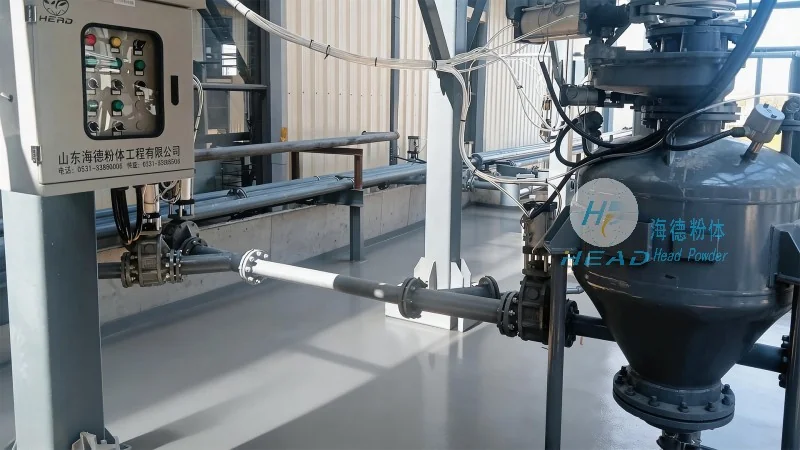
Company Profile: Shandong HeadPowder Engineering Co., Ltd.
HeadPowder, a leading manufacturer of pneumatic conveying systems, specializes in providing customized solutions for plaster powder and other dry materials. With a focus on innovation and quality, the company has developed advanced systems that meet the specific needs of the construction and industrial sectors. HeadPowder's products are designed to enhance operational efficiency, improve safety, and reduce costs for clients. The company's headquarters is located in Shandong, China, where it leverages local expertise and resources to deliver high-performance conveying solutions.




