Hydrogen chloride (HCl) is a highly corrosive and hazardous gas commonly used in various industrial processes, such as chemical manufacturing, pharmaceutical production, and metal processing. The safe and efficient transportation of HCl gas is crucial for industrial operations, and pneumatic conveying systems have emerged as a reliable solution. This article provides an overview of hydrogen chloride pneumatic conveying systems, detailing their structural components and operational principles.
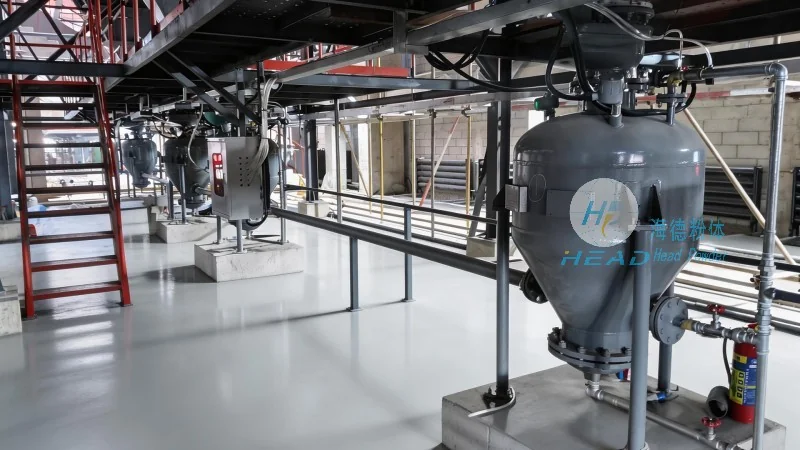
Key Components of Hydrogen Chloride Pneumatic Conveying Systems
A typical hydrogen chloride pneumatic conveying system consists of several essential components that work in tandem to ensure safe and effective gas transport. The primary components include a gas source, a conveying line, a control system, and a dust collection or filtration unit. The gas source, often a pressurized tank or a gas generator, supplies the HCl gas under controlled pressure. The conveying line, made of corrosion-resistant materials like stainless steel or special alloys, transports the gas and any suspended particles. The control system monitors and regulates the pressure, flow rate, and temperature to maintain optimal operation. Finally, the dust collection or filtration unit ensures that any particulate matter is removed, preventing contamination and protecting equipment.
Working Principles of Hydrogen Chloride Pneumatic Conveying
The operation of a hydrogen chloride pneumatic conveying system is based on the principle of gas flow and particle suspension. In a typical system, the HCl gas is introduced into the conveying line at a high velocity, creating a stream that carries the gas and any solid particles. The gas flow generates sufficient kinetic energy to lift and transport the particles through the line. The system can operate in either positive or negative pressure modes, depending on the application. In positive pressure systems, the gas is pressurized and forced through the line, while in negative pressure systems, the gas is drawn into the line using a vacuum. The choice of pressure mode depends on factors such as the distance to be covered, the type of particles, and the desired flow rate.
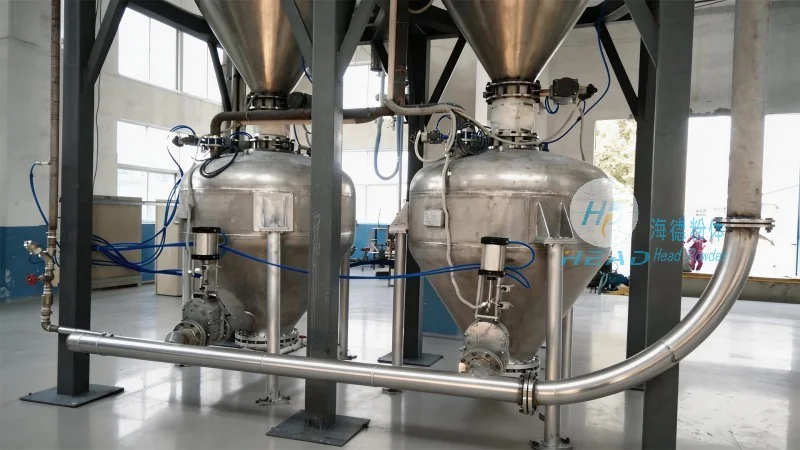
Structural Design Considerations for HCl Pneumatic Conveying
The structural design of hydrogen chloride pneumatic conveying systems must prioritize corrosion resistance and safety due to the highly corrosive nature of HCl gas. All components, including pipes, valves, and fittings, are typically made from materials that can withstand HCl exposure, such as 316L stainless steel or specialized alloys. The system is also equipped with pressure relief valves and safety interlocks to prevent over-pressurization and ensure operator safety. Additionally, the design incorporates proper insulation and temperature control to maintain the gas at a stable temperature, reducing the risk of condensation and corrosion. The layout of the system is carefully planned to minimize the number of bends and changes in direction, as these can cause pressure drops and particle deposition.
Applications and Benefits of Hydrogen Chloride Pneumatic Conveying
Hydrogen chloride pneumatic conveying systems are widely used in industries where the safe and efficient transport of corrosive gases is critical. Common applications include the delivery of HCl gas to reactors, the transfer of HCl-laden slurry from processing units, and the handling of HCl in chemical synthesis processes. The benefits of using pneumatic conveying systems for HCl transport include improved safety compared to traditional methods like truck or rail transport, reduced labor costs due to automated operation, and enhanced process control through precise flow regulation. Additionally, the system can handle varying flow rates and particle sizes, making it adaptable to different industrial needs.
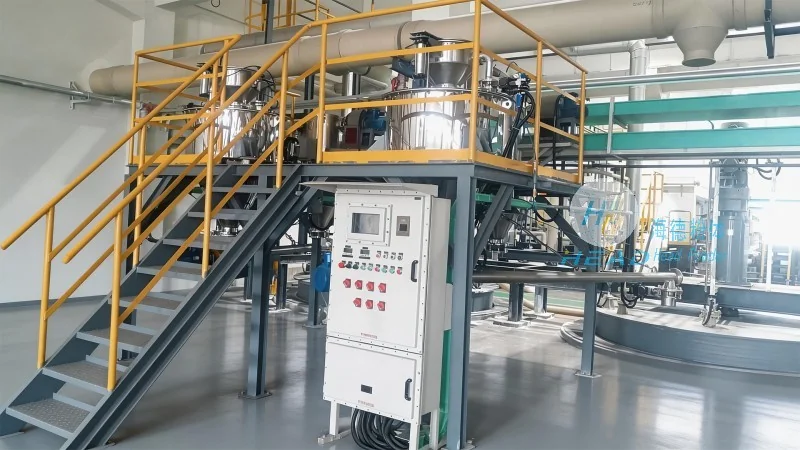
About Shandong HeadPowder Engineering Co., Ltd.
Shandong HeadPowder Engineering Co., Ltd., operating under the brand name headpowder, is a leading manufacturer of industrial pneumatic conveying systems. With a strong focus on innovation and quality, the company specializes in designing and manufacturing customized solutions for corrosive gas handling applications. Headpowder's expertise lies in developing systems that meet the stringent safety and performance requirements of industries dealing with hazardous materials like hydrogen chloride. The company's products are known for their durability, reliability, and compliance with international safety standards. Headpowder serves clients globally, providing comprehensive solutions that enhance operational efficiency and ensure the safety of industrial processes.
Conclusion
Hydrogen chloride pneumatic conveying systems represent a sophisticated and effective solution for the safe and efficient transport of corrosive gases in industrial settings. By understanding the key components, operational principles, and structural design considerations, industries can select and implement the most suitable system for their specific needs. Companies like Shandong HeadPowder Engineering Co., Ltd. play a vital role in providing advanced engineering solutions that meet the demands of modern industrial operations, ensuring both safety and productivity in the handling of hazardous materials.




