Micro bead powder, a fine powder material widely used in various industrial applications, requires efficient and reliable conveying methods to ensure smooth production processes. The choice of conveying method depends on factors such as material properties, production scale, and operational environment. This article explores several common methods for micro bead powder conveying, highlighting their advantages and practical applications.
Overview of Micro Bead Powder Conveying
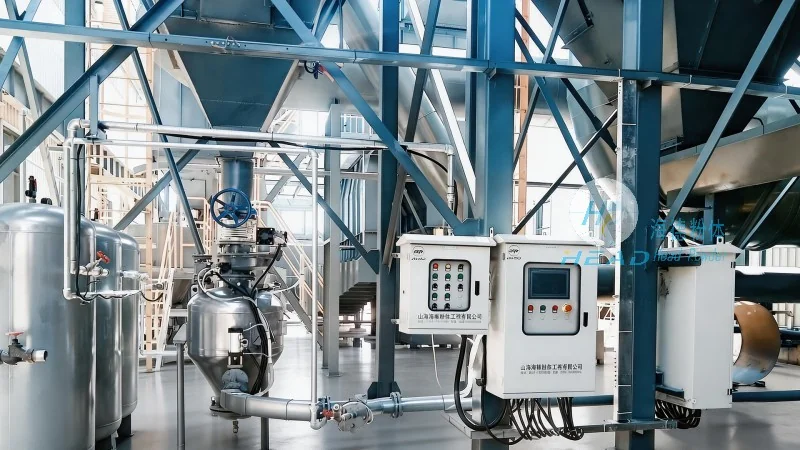
Micro bead powder, typically with particle sizes ranging from a few micrometers to several hundred micrometers, presents unique challenges during transportation due to its fine nature and potential for dust generation. Effective conveying systems must address issues like material segregation, clogging, and dust control while maintaining product integrity. The selection of an appropriate conveying method is crucial for optimizing production efficiency and minimizing operational costs.
Key Factors Influencing Conveying Method Selection
Before choosing a conveying method for micro bead powder, several key factors should be considered. These include the physical properties of the powder, such as particle size distribution, density, and moisture content, as well as the production volume and the distance over which the material needs to be transported. Additionally, the operating environment, including space availability, existing infrastructure, and safety requirements, plays a significant role in determining the most suitable conveying solution. By carefully evaluating these factors, businesses can select a conveying method that aligns with their specific operational needs and ensures optimal performance.
Pneumatic Conveying Systems
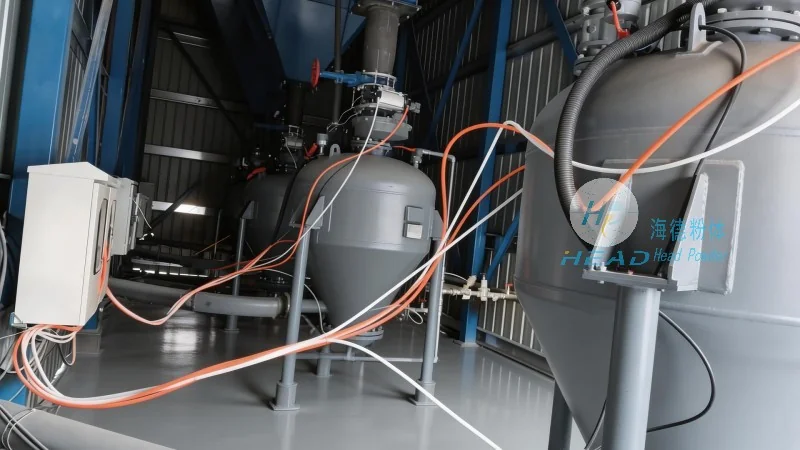
Pneumatic conveying, also known as air conveying, is a widely used method for transporting micro bead powder due to its ability to handle fine powders efficiently and with minimal material degradation. This method involves transporting the powder through a pipeline using compressed air or other gases. There are two main types of pneumatic conveying systems: dilute phase and dense phase. Dilute phase systems use higher air velocities to keep the powder suspended in the air stream, suitable for short to medium distances and low to medium production rates. Dense phase systems, on the other hand, use lower air velocities and higher powder concentrations, making them ideal for longer distances and higher production volumes. Pneumatic conveying offers advantages such as continuous operation, low maintenance requirements, and the ability to handle materials with high moisture content or abrasive properties. However, it may require more energy compared to other methods and can be susceptible to air leaks or pressure fluctuations.
Mechanical Conveying Systems
Mechanical conveying systems, including screw conveyors, belt conveyors, and bucket elevators, are another common approach for micro bead powder transportation. These systems rely on mechanical components to move the powder along a designated path. Screw conveyors, for example, use a rotating screw to push the powder forward, making them suitable for horizontal or slight incline applications. Belt conveyors, equipped with a continuous belt, can transport the powder over longer distances and at higher speeds, while bucket elevators use a series of buckets attached to a belt or chain to lift the powder vertically. Mechanical conveying systems are generally more cost-effective and energy-efficient than pneumatic systems, especially for short to medium distances and moderate production rates. They also provide better control over the material flow and can handle larger particle sizes or bulkier materials. However, they may be less effective for fine powders prone to clogging and require regular maintenance to prevent wear and tear.
Pipeline Conveying with Specialized Equipment
For specialized applications involving micro bead powder, pipeline conveying systems equipped with specialized components can enhance efficiency and reliability. For instance, the use of flexible hoses or flexible tubing allows for more flexible and adaptable conveying paths, which is beneficial in environments with limited space or changing operational layouts. Additionally, incorporating components like rotary valves, airlocks, and dust collectors into the pipeline system can improve material handling and reduce dust emissions. These specialized equipment can be integrated with either pneumatic or mechanical conveying systems to create a customized solution tailored to the specific requirements of the micro bead powder application. The combination of advanced components and proper system design ensures consistent and reliable transportation of the fine powder material.
Considerations for Material Handling and Safety
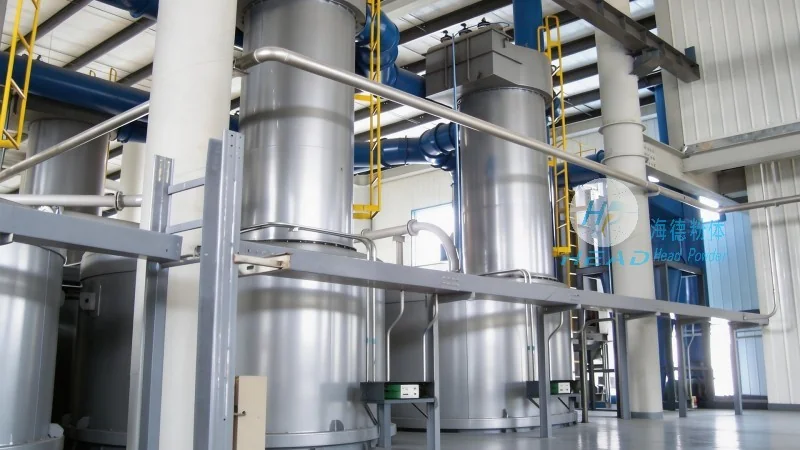
When implementing any micro bead powder conveying method, it is essential to consider material handling and safety aspects. Proper sealing and dust control measures are critical to prevent dust contamination and ensure a safe working environment. The use of explosion-proof components and dust collection systems can mitigate the risks associated with fine powder handling. Additionally, regular maintenance and inspection of the conveying system are necessary to ensure its optimal performance and longevity. By prioritizing safety and material integrity, businesses can minimize operational disruptions and maintain compliance with industry regulations. The integration of advanced monitoring and control systems can further enhance the reliability and efficiency of the conveying process, providing real-time data on material flow and system performance.
Conclusion
In conclusion, the selection of an appropriate micro bead powder conveying method is a critical decision that impacts production efficiency, material quality, and operational costs. Pneumatic conveying systems offer flexibility and efficiency for various applications, while mechanical conveying systems provide cost-effective solutions for specific scenarios. The choice of method should be based on a thorough evaluation of material properties, production requirements, and operational constraints. By leveraging the expertise of companies like Shandong HeadPowder Engineering Co., Ltd., businesses can implement tailored conveying solutions that meet their unique needs and ensure smooth and reliable micro bead powder transportation. With the right system in place, micro bead powder can be efficiently conveyed to support a wide range of industrial processes, from manufacturing to packaging and beyond.




