Efficient and reliable dry powder conveying is a critical aspect of industrial operations, particularly in sectors such as pharmaceuticals, food processing, and chemical manufacturing. The ability to transport dry powders safely and effectively directly impacts production efficiency, product quality, and operational safety. With diverse applications and varying material properties, selecting the appropriate conveying method is essential. This article explores the various ways dry powders can be transported, focusing on the technologies and considerations that make each approach suitable for specific industrial needs.
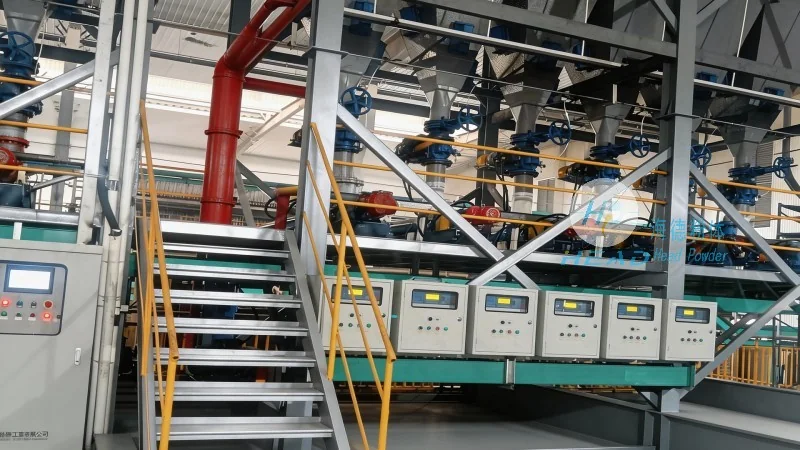
Understanding Dry Powder Conveying: Key Considerations
Before delving into specific methods, it's important to understand the factors that influence the choice of a dry powder conveying system. These include the physical properties of the powder (e.g., particle size, moisture content, density, and flowability), the required conveying distance and capacity, the environment where the system will operate, and the overall budget and space constraints. Each of these factors plays a role in determining whether a particular conveying method will be effective and efficient.
Common Dry Powder Conveying Methods
There are several primary methods used for dry powder transport, each with its own advantages and limitations. The most common approaches include pneumatic conveying, mechanical conveying, and hybrid systems. Below is a detailed look at each method, highlighting how they work and when they are most suitable.
Pneumatic Conveying Systems
Pneumatic conveying uses air or other gases to transport dry powders through a pipeline. This method is widely used due to its flexibility and ability to handle a wide range of materials. There are two main types of pneumatic conveying: pressure and vacuum systems.
Pressure pneumatic conveying systems operate by blowing air or gas into a sealed pipeline under pressure, pushing the powder forward. These systems are ideal for short to medium distances and can handle high volumes of material. They are commonly used in applications where the powder needs to be transported from a storage silo to a processing unit or for bulk material handling.
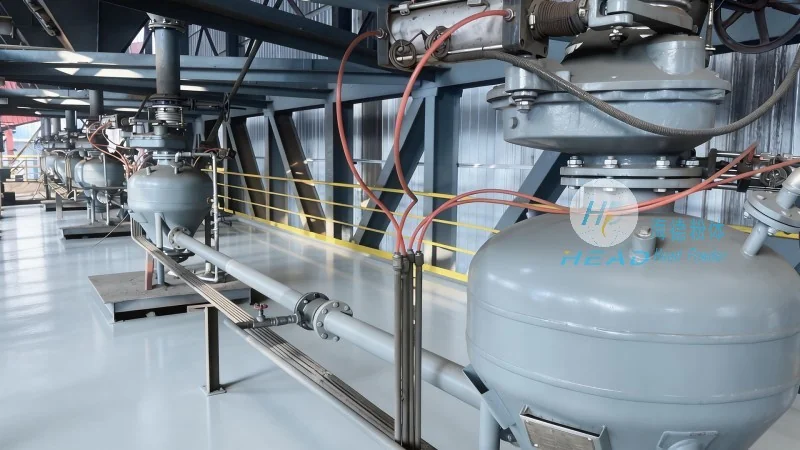
Vacuum pneumatic conveying systems, on the other hand, use a vacuum to draw the powder into the pipeline. This method is suitable for longer distances and can handle materials that are difficult to move by pressure alone. It is often used when the powder needs to be transported from multiple sources to a central processing area.
Both pressure and vacuum systems can be further categorized based on the type of air flow, such as dilute phase (where the powder is dispersed in the air) and dense phase (where the powder is more concentrated). Dilute phase systems are generally faster and more efficient for short distances, while dense phase systems are better for longer distances and for materials that are prone to segregation or degradation.
Mechanical Conveying Systems
Mechanical conveying systems rely on mechanical components to move dry powders. These systems are typically more cost-effective for short distances and for materials that are not suitable for pneumatic conveying. Common types of mechanical conveying include screw conveyors, belt conveyors, and bucket elevators.
Screw conveyors, also known as auger conveyors, use a rotating screw to push the powder forward. They are suitable for horizontal or slightly inclined applications and can handle a wide range of materials, including those with high moisture content or sticky properties. Screw conveyors are often used in food processing and pharmaceutical industries where hygiene and cleanliness are critical.
Belt conveyors use a continuous belt to transport the powder. These systems are ideal for long distances and high-volume applications. They are commonly used in mining and construction industries for transporting bulk materials like sand, gravel, and coal. Belt conveyors can be equipped with various accessories, such as feeders and dividers, to enhance their functionality.
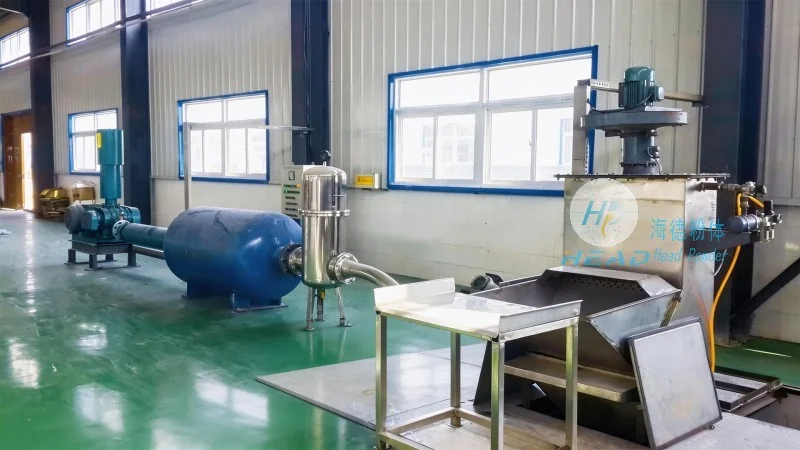
Bucket elevators use a series of buckets attached to a belt or chain to lift the powder vertically. This method is suitable for vertical or inclined transport and is commonly used in industries where the powder needs to be elevated to a higher level, such as in flour mills or chemical plants.
Hybrid Conveying Systems
Hybrid conveying systems combine elements of pneumatic and mechanical methods to leverage the advantages of both. These systems are often used when a single method is not sufficient to meet the conveying requirements. For example, a hybrid system might use a mechanical conveyor to transport the powder from a storage bin to a pneumatic conveying line.
Hybrid systems can offer greater flexibility and efficiency, especially in complex industrial settings where multiple materials or processes are involved. They can also help reduce energy consumption and improve overall system performance by optimizing the use of each component.
Choosing the Right Dry Powder Conveying System
Selecting the appropriate dry powder conveying system requires careful consideration of the specific application and material properties. It is important to evaluate the pros and cons of each method and choose the one that best meets the operational, safety, and cost requirements. Consulting with a professional in the field, such as Shandong HeadPowder Engineering Co., Ltd., can provide valuable insights and help ensure the best possible solution for your needs.




