HeadPowder, a leading enterprise in the field of material handling solutions, specializes in the design, manufacturing, and installation of advanced pneumatic conveying systems. This article provides a comprehensive overview of the gypsum powder pneumatic conveying system, focusing on its structural design and operational principles. The system is engineered to efficiently transport gypsum powder, a widely used industrial material, from storage to processing or packaging stages with minimal human intervention and optimal performance.
Company Profile and Expertise
Shandong HeadPowder Engineering Co., Ltd., commonly known as HeadPowder, is headquartered in Shandong, China. With years of experience in the engineering and manufacturing sector, the company has established itself as a trusted provider of customized material handling systems tailored to the unique needs of various industries. HeadPowder’s team of skilled engineers and technicians leverages cutting-edge technology and rigorous quality control measures to deliver reliable and efficient solutions. The company’s commitment to innovation and customer satisfaction has enabled it to serve clients across multiple sectors, including construction, chemical, and food processing industries.
Overview of the Gypsum Powder Pneumatic Conveying System
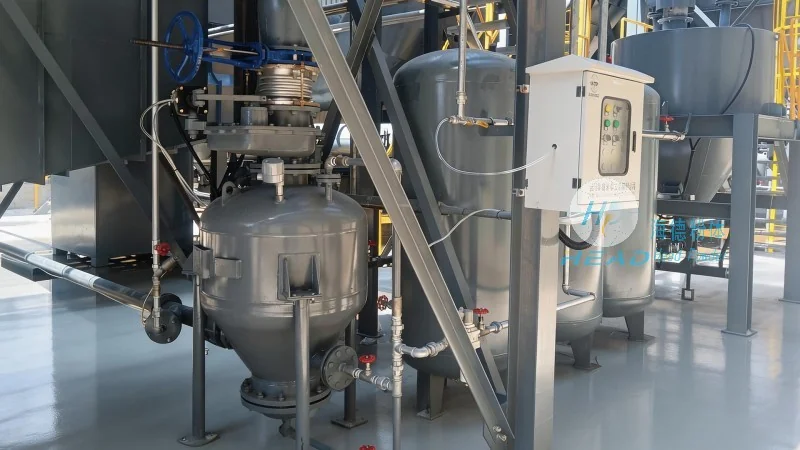
The gypsum powder pneumatic conveying system is a sophisticated mechanism that utilizes air or gas as the conveying medium to transport dry powders like gypsum. This system is particularly advantageous for applications requiring dust-free, low-maintenance, and continuous material transfer. Unlike traditional mechanical conveying methods, pneumatic systems offer flexibility in layout, enabling the integration of multiple storage and processing points without the need for extensive infrastructure modifications. The system typically consists of several key components, including a hopper, feeder, air compressor, pipeline network, and receiver, each playing a critical role in the overall operation.
Structural Components and Their Functions
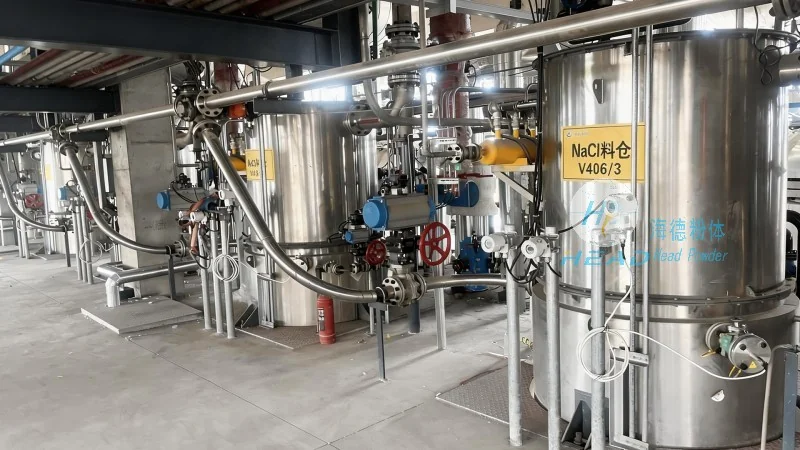
The structural design of the gypsum powder pneumatic conveying system is optimized for efficiency and durability. The primary components include:
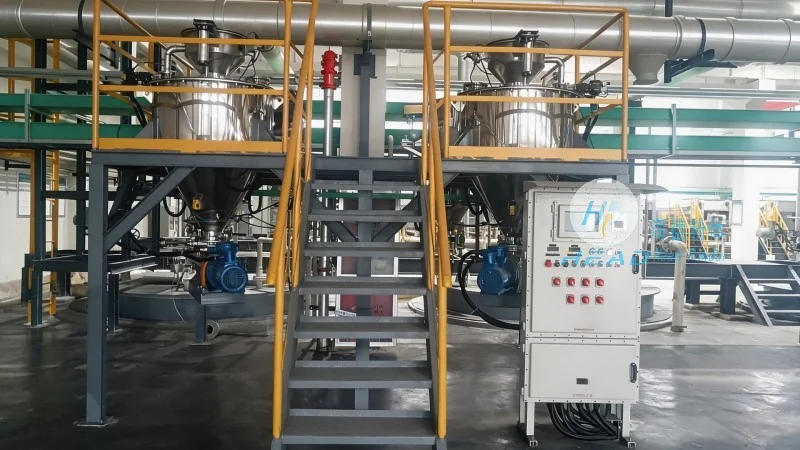
- Hopper: A storage vessel that holds the gypsum powder. It is designed with a conical or rectangular shape to facilitate uniform material flow and prevent clogging. The hopper is equipped with a discharge valve or feeder to control the rate of material release.
- Feeder: The feeder regulates the flow of gypsum powder from the hopper into the conveying pipeline. Common types include rotary valves, screw feeders, or vibratory feeders, which ensure consistent and controlled material discharge. The feeder is crucial for maintaining a steady flow rate, preventing surges or blockages in the system.
- Air Compressor: The air compressor generates the necessary pressure to move the gypsum powder through the pipeline. It is typically a positive displacement type, such as a rotary screw or reciprocating compressor, capable of delivering high-pressure air. The compressor’s capacity is matched to the system’s requirements to ensure efficient material transport without excessive energy consumption.
- Pipeline Network: The pipeline is the main conduit for transporting the gypsum powder. It is constructed from materials like stainless steel, PVC, or polyethylene, depending on the specific application and environmental conditions. The pipeline is designed with appropriate bends, elbows, and straight sections to minimize pressure losses and ensure smooth material flow. The diameter and length of the pipeline are carefully calculated to maintain optimal air velocity, which is critical for preventing material deposition and ensuring consistent conveying performance.
- Receiver: The receiver is the terminal component where the transported gypsum powder is deposited. It is typically a storage tank or hopper designed to collect the material and prepare it for further processing or packaging. The receiver is equipped with a discharge valve or outlet to control the release of the material. Some systems may include a dust collection system or filter to capture any fine particles and prevent environmental contamination.
Working Principle of the Pneumatic Conveying System
The operation of the gypsum powder pneumatic conveying system follows a sequential process that ensures efficient material transfer. The system begins with the gypsum powder being stored in the hopper. The feeder then regulates the flow of powder into the pipeline, where it is mixed with the air from the compressor. The air, under high pressure, propels the powder particles through the pipeline, creating a slurry-like mixture. As the mixture travels through the pipeline, the air velocity is maintained at a level sufficient to keep the powder suspended and prevent settling. The receiver at the end of the pipeline collects the powder, and the air is either discharged to the atmosphere or recirculated back to the compressor, depending on the system design. The entire process is controlled by a programmable logic controller (PLC) or a similar control system, which monitors parameters such as pressure, flow rate, and temperature to ensure optimal performance and prevent system failures.
Advantages of the Gypsum Powder Pneumatic Conveying System
The gypsum powder pneumatic conveying system offers several advantages over traditional mechanical conveying methods. These include:
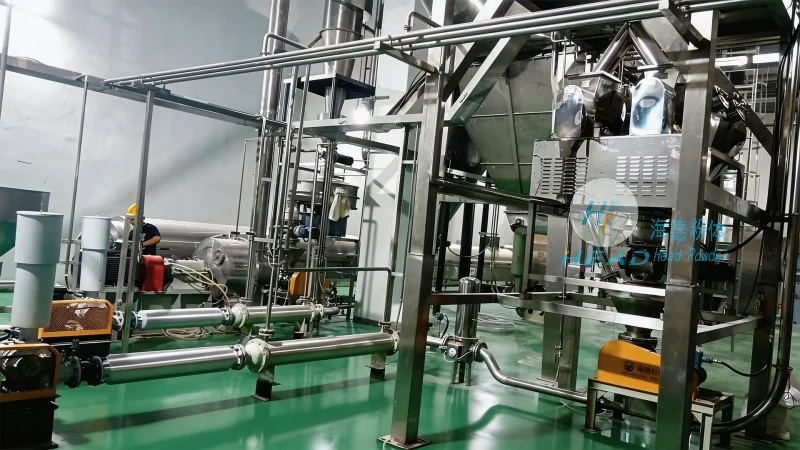
- Dust-Free Operation: Unlike mechanical systems that may generate dust during material transfer, pneumatic systems operate in a closed environment, minimizing dust emissions and improving workplace safety.
- Low Maintenance: The absence of moving parts in the pipeline reduces the need for frequent maintenance and repairs, resulting in lower operational costs and increased system reliability.
- Flexibility in Layout: The system can be easily integrated into existing facilities or reconfigured to accommodate changes in production requirements, providing adaptability to evolving business needs.
- Continuous and Uniform Flow: The controlled flow of material ensures consistent production rates and reduces the risk of bottlenecks or material shortages.
- Energy Efficiency: Modern pneumatic systems are designed to optimize energy usage, with variable speed compressors and efficient pipeline designs reducing overall energy consumption.
Applications and Industries
The gypsum powder pneumatic conveying system is widely used in various industries due to its versatility and efficiency. Some common applications include:
- Construction Industry: Gypsum powder is a key component in the production of gypsum boards, which are used for wall and ceiling construction. The system efficiently transports the powder from storage to the manufacturing line, ensuring a steady supply of raw material.
- Chemical Industry: In chemical processing plants, gypsum powder is used as a filler or additive in various products. The pneumatic system allows for the safe and controlled transfer of the powder, preventing contamination and ensuring product quality.
- Food Processing: Gypsum powder is used in the food industry as a coagulant or thickening agent. The system’s dust-free operation and hygienic design make it suitable for food processing applications, where maintaining product purity and safety is paramount.
- Pharmaceutical Industry: In pharmaceutical manufacturing, the system is used to transport gypsum powder used in the production of certain medications or as a filler in tablets. The system’s ability to handle fine powders and maintain a sterile environment is critical for pharmaceutical applications.
Conclusion
HeadPowder’s gypsum powder pneumatic conveying system represents a reliable and efficient solution for material handling in various industries. With its robust structural design and advanced operational principles, the system ensures optimal performance, minimal maintenance, and cost-effectiveness. By leveraging the expertise of Shandong HeadPowder Engineering Co., Ltd., clients can benefit from customized systems tailored to their specific requirements, enhancing productivity and operational efficiency. The company’s commitment to quality and innovation continues to position it as a leading provider of material handling solutions in China and beyond.




