For agricultural processing operations, efficient and reliable material handling is crucial, especially when dealing with bulk commodities like sweet potatoes. Pneumatic conveying systems have emerged as a preferred solution for transporting sweet potatoes from storage or processing areas to various processing stages. This article provides an overview of sweet potato pneumatic conveying systems, detailing their structural components and operational principles, while highlighting the expertise of Shandong HeadPowder Engineering Co., Ltd. as a leading provider in this field.
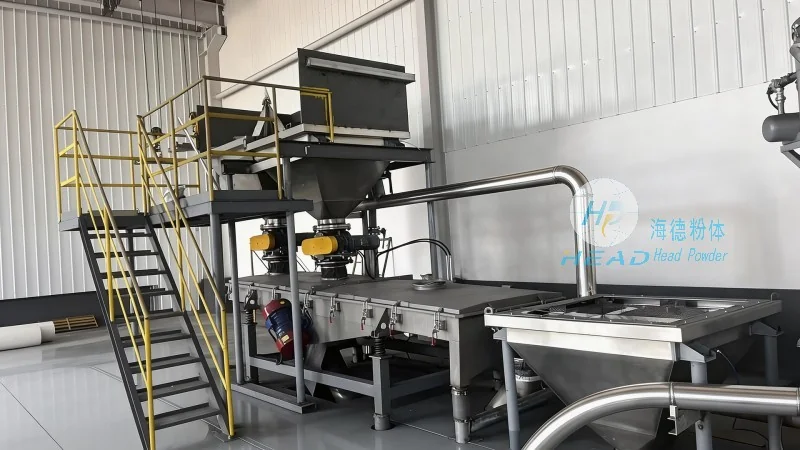
Key Components of Sweet Potato Pneumatic Conveying Systems
A typical sweet potato pneumatic conveying system consists of several interconnected components designed to ensure smooth material transport. The primary components include the hopper, which serves as the storage and feeding unit for the sweet potatoes. The hopper is equipped with a feeder mechanism, such as a rotary valve or a screw conveyor, that regulates the flow of sweet potatoes into the system. This feeder ensures a consistent and controlled supply of material, preventing blockages and maintaining system efficiency.
Next, the conveying line, which can be either a positive or negative pressure system, is responsible for transporting the sweet potatoes through the pipeline. Positive pressure systems use a blower or fan to push the material forward, while negative pressure systems create a vacuum to draw the material. The choice between these systems depends on factors like the distance to be covered, the material characteristics, and the desired system performance. In sweet potato processing, positive pressure systems are often preferred due to their ability to handle larger particles and prevent material degradation.
The pipeline itself is constructed from durable materials, such as stainless steel or food-grade plastic, to withstand the mechanical stress and potential contamination risks associated with sweet potato handling. The pipeline is typically equipped with bends, elbows, and straight sections to guide the material along the desired path. To maintain system efficiency and prevent blockages, the pipeline may include cleaning devices like pulse jets or rotary cleaning brushes.
At the receiving end of the system, a separator or cyclone is used to separate the sweet potatoes from the air stream. This component ensures that the material is deposited in the desired location, such as a processing machine or a storage bin, while the air is filtered and discharged. The separator is designed to handle the specific characteristics of sweet potatoes, including their size, shape, and moisture content, to minimize material loss and maximize recovery rates.
Working Principles of Sweet Potato Pneumatic Conveying Systems
The operation of a sweet potato pneumatic conveying system is based on the principles of fluid dynamics and material transport. The system works by creating a flow of air or gas through the pipeline, which entrains the sweet potatoes and transports them to the destination. The feeder mechanism in the hopper releases the sweet potatoes into the pipeline, where they are carried by the air stream. The air velocity is carefully controlled to ensure that the sweet potatoes are fully suspended and transported without damage.
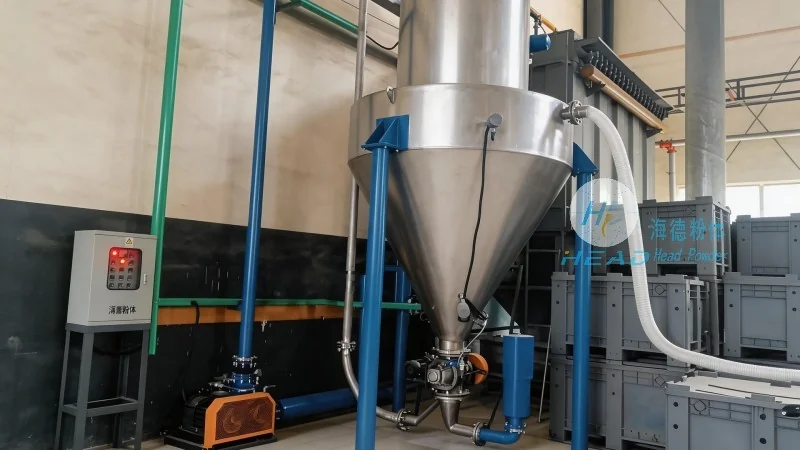
Positive pressure systems operate by forcing air through the pipeline using a blower. The blower is typically located at the discharge end of the system, and it generates sufficient pressure to push the material forward. The air velocity is maintained at a level that is high enough to keep the sweet potatoes in suspension but not so high as to cause excessive wear on the pipeline or components. The system's control system monitors the pressure and flow rates, adjusting the blower speed as needed to maintain optimal performance.
Negative pressure systems, on the other hand, create a vacuum at the discharge end of the system, drawing the sweet potatoes and air into the pipeline. The vacuum is generated by a fan or an ejector, which pulls the material from the hopper and transports it to the separator. These systems are often used for shorter distances or when the material needs to be transported from a higher elevation to a lower one. The control system in negative pressure systems monitors the vacuum level and adjusts the fan speed to maintain the desired flow rate.
The separator at the end of the system uses centrifugal force to separate the sweet potatoes from the air stream. As the air and material enter the separator, the air is directed outward, while the sweet potatoes are forced to the center and fall out due to gravity. The separator is designed to handle the specific characteristics of sweet potatoes, such as their density and size, to ensure efficient separation and minimal material loss. The separated sweet potatoes are then collected in a storage bin or processing machine, while the air is filtered and discharged to the environment.
Advantages of Sweet Potato Pneumatic Conveying Systems
Sweet potato pneumatic conveying systems offer several advantages over traditional material handling methods, making them an ideal choice for agricultural processing operations. One of the primary advantages is the ability to transport sweet potatoes in a closed system, which helps to maintain hygiene and prevent contamination. The closed pipeline prevents exposure to dust, moisture, and other environmental factors, ensuring that the sweet potatoes remain in optimal condition throughout the transport process.
Another key advantage is the high efficiency and speed of material transport. Pneumatic systems can move sweet potatoes over long distances and through multiple processing stages in a short period, reducing processing time and increasing overall productivity. The consistent flow of material from the hopper to the separator ensures that processing equipment operates continuously, minimizing downtime and maximizing output.
The systems also offer flexibility in terms of layout and integration with other processing equipment. The pipeline can be easily configured to follow the existing layout of the processing facility, allowing for seamless integration with other machines such as washing, peeling, or cutting equipment. This flexibility enables manufacturers to adapt the system to their specific processing needs, optimizing the overall production line.
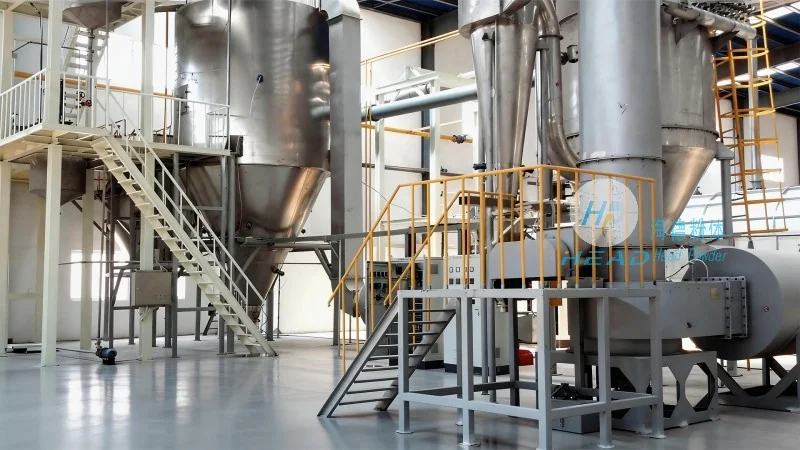
Furthermore, pneumatic conveying systems are relatively low maintenance compared to other material handling methods. The components are designed to withstand the mechanical stress and wear associated with sweet potato handling, reducing the need for frequent repairs and replacements. The control system monitors the system's performance and alerts operators to any issues, allowing for timely maintenance and minimizing system downtime.
Application in Sweet Potato Processing
Sweet potato pneumatic conveying systems are widely used in various stages of sweet potato processing, from initial handling to final product preparation. In the initial processing stage, the system can transport sweet potatoes from storage bins or fields to the processing plant. This ensures that the material is handled efficiently and hygienically, reducing the risk of contamination and spoilage.
During the processing stages, the system can transport sweet potatoes to washing machines, peeling equipment, or cutting machines. The consistent flow of material ensures that each processing stage operates at optimal capacity, maximizing the overall efficiency of the production line. For example, in a sweet potato chip or starch production line, the pneumatic system can transport the sweet potatoes from the peeling machine to the slicing or grinding equipment, ensuring a continuous supply of material.
In the final processing stage, the system can transport the processed sweet potatoes to packaging machines or storage bins. The closed system helps to maintain the quality of the final product, preventing exposure to contaminants and ensuring that the product meets the required quality standards. The system's ability to handle large volumes of material makes it suitable for high-volume processing operations, such as those found in large-scale sweet potato processing plants.
Conclusion
Sweet potato pneumatic conveying systems are a critical component of modern agricultural processing operations, offering efficient, hygienic, and flexible material handling solutions. The systems' ability to transport sweet potatoes in a closed pipeline, maintain consistent flow rates, and integrate with other processing equipment makes them an ideal choice for manufacturers looking to optimize their production lines. As a leading provider in this field, Shandong HeadPowder Engineering Co., Ltd. specializes in designing and manufacturing high-quality pneumatic conveying systems tailored to the specific needs of sweet potato processing operations. With their expertise and commitment to quality, HeadPowder ensures that their systems deliver reliable performance and contribute to the success of their clients' operations.




