Grain pneumatic conveying systems are essential equipment in modern agricultural and food processing industries, designed to efficiently transport bulk materials like grains, powders, and other granular substances. These systems utilize air as the conveying medium to move materials from one location to another, offering advantages such as high efficiency, low maintenance, and the ability to handle various types of bulk materials. The core components of a typical grain pneumatic conveying system include the hopper, conveyor pipeline, air supply unit, and control system. Each component plays a crucial role in ensuring the smooth operation of the entire system.
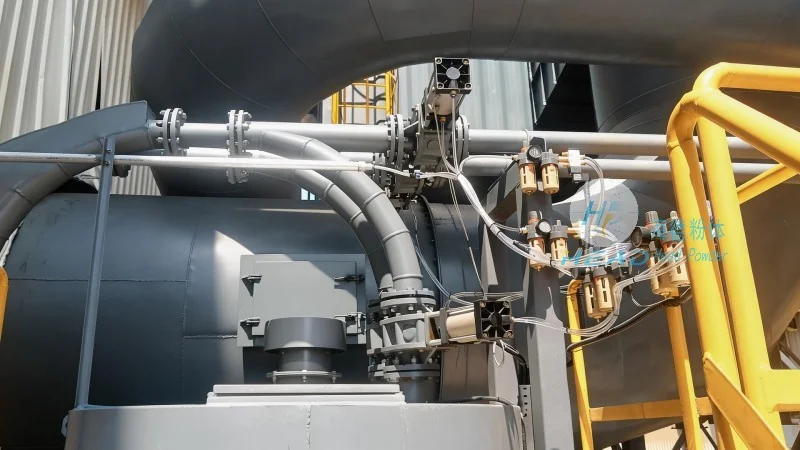
Key Components and Their Functions
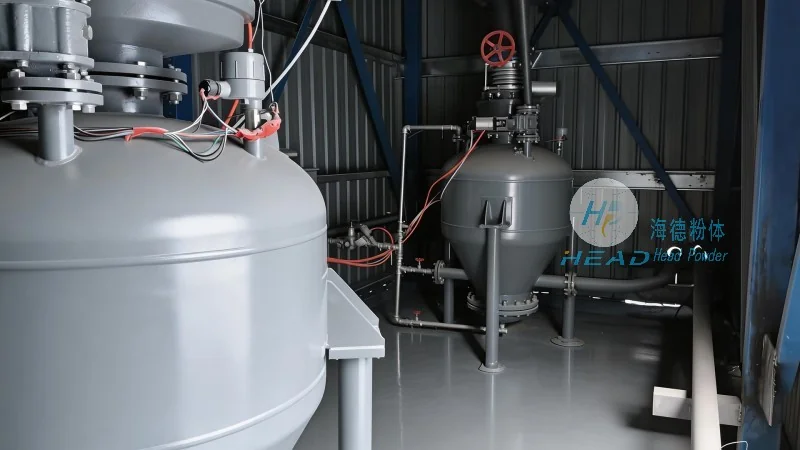
The hopper is the initial storage and feeding unit, where raw materials are loaded before being conveyed. It is designed to maintain a consistent flow of material into the system, preventing blockages and ensuring uniform feeding. The conveyor pipeline, often made of stainless steel or other corrosion-resistant materials, forms the main path for material transport. The air supply unit, typically a blower or fan, generates the necessary air pressure to move the material through the pipeline. The control system monitors and regulates the air pressure, flow rate, and material feed rate, ensuring optimal performance and preventing system overload.
Working Principle of Pneumatic Conveying
The operation of a grain pneumatic conveying system involves several key steps. First, the material is fed into the hopper from a storage silo or other source. The air supply unit then creates a pressure differential within the pipeline, drawing the material into the air stream. As the air and material mixture travels through the pipeline, the material is suspended and transported to the destination point. The system can operate in both positive and negative pressure modes, depending on the application requirements. Positive pressure systems push the material through the pipeline, while negative pressure systems draw the material from the source. The choice of pressure mode depends on factors such as the distance to be covered, the material characteristics, and the system layout.
Advantages of Pneumatic Conveying Systems
Compared to traditional mechanical conveyors, grain pneumatic conveying systems offer several advantages. They are more flexible in terms of layout, as the pipeline can be installed in various configurations to suit the plant design. This flexibility allows for easier integration with existing facilities and equipment. Additionally, pneumatic systems are less prone to material contamination, as they do not require direct contact between the material and the conveyor components. This is particularly important for food-grade products, where hygiene is a critical factor. The systems also have lower energy consumption compared to some mechanical alternatives, contributing to cost savings and environmental benefits.
Applications in the Food and Agricultural Industry
Grain pneumatic conveying systems are widely used in various applications within the food and agricultural sectors. In grain storage facilities, these systems are used to transfer harvested grains from storage silos to processing plants or for distribution to markets. In flour mills, they are employed to move raw wheat or other grains from the storage area to the milling equipment. The systems are also used in feed mills to convey animal feed ingredients, ensuring a consistent supply of raw materials for production. Furthermore, in the production of food products like cereals and snacks, pneumatic conveying systems are used to transport ingredients and finished products between processing stages, maintaining product quality and hygiene.
Customization and Scalability
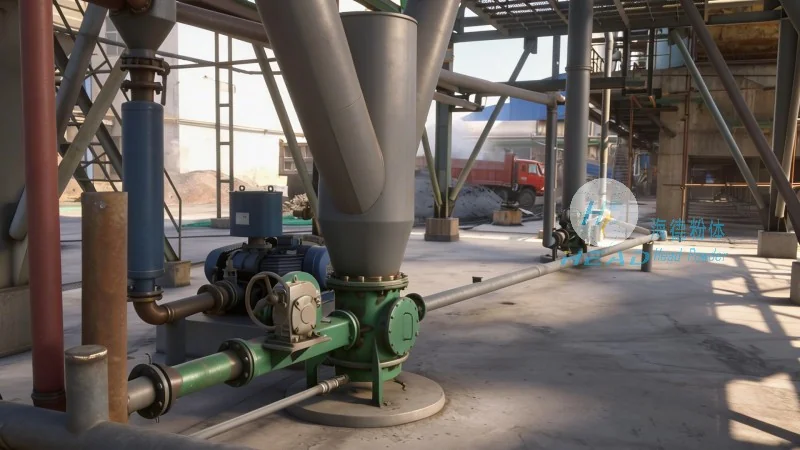
Shandong HeadPowder Engineering Co., Ltd. specializes in designing and manufacturing customized grain pneumatic conveying systems to meet the specific needs of clients. The company, known as headpowder, offers a range of solutions tailored to different production capacities and material types. Whether for small-scale operations or large industrial facilities, the systems can be scaled to accommodate varying throughput requirements. The company's engineering team works closely with clients to understand their operational needs and provide solutions that optimize material handling efficiency and reduce operational costs. Customization options include different hopper sizes, pipeline configurations, and air supply units, ensuring that the final system meets the exact requirements of the application.
Maintenance and Operational Considerations
Proper maintenance is crucial for the long-term performance and reliability of grain pneumatic conveying systems. Regular inspection of the hopper, pipeline, and air supply unit is necessary to ensure that all components are functioning correctly. Filters and separators are used to remove dust and debris from the air stream, preventing clogging and maintaining system efficiency. The control system should be checked regularly to ensure that it is operating within the specified parameters. Additionally, the material feed rate should be adjusted according to the system's capacity to avoid overloading and potential damage to the components. By following proper maintenance procedures, the lifespan of the system can be extended, and operational costs can be minimized.




