HeadPowder, a leading provider in the field of industrial material handling solutions, specializes in the design, manufacturing, and supply of advanced pneumatic conveying systems tailored for the petrochemical industry. This article provides a comprehensive overview of petrochemical pneumatic conveying equipment, detailing its structural components and operational principles to help professionals understand its functionality and applications.
Pneumatic Conveying Systems in the Petrochemical Industry
Pneumatic conveying equipment is a critical component in modern petrochemical processing facilities, enabling the efficient and safe transport of bulk materials such as powders, granules, and slurries. These systems are essential for maintaining production efficiency, reducing downtime, and ensuring compliance with safety regulations. The petrochemical sector demands equipment that can handle a wide range of materials, from fine powders to abrasive solids, while operating under high-pressure or vacuum conditions. HeadPowder's expertise lies in developing customized solutions that meet these stringent requirements.
Key Structural Components of Petrochemical Pneumatic Conveying Equipment
The core structure of a petrochemical pneumatic conveying system typically includes several key components, each playing a vital role in the overall operation. These components are designed to ensure reliable material transport while maintaining system integrity and safety. The primary elements are as follows:
1. Conveying Line and Tubing
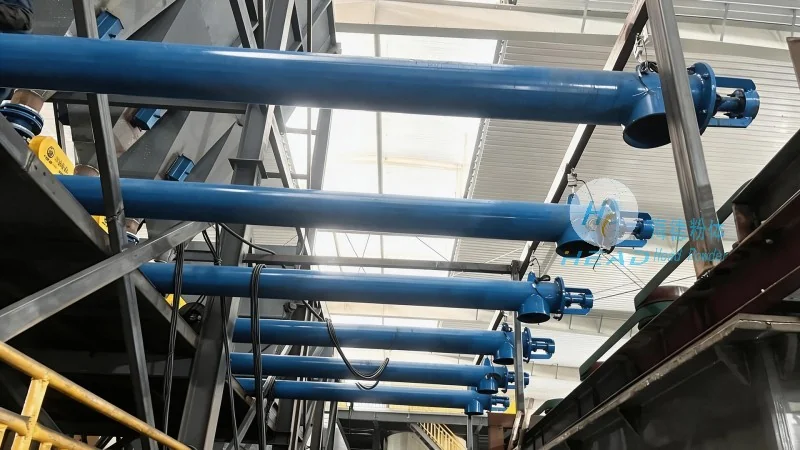
The conveying line, often made of stainless steel or other corrosion-resistant materials, forms the main pathway for material transport. The tubing is engineered to withstand the pressures and temperatures associated with petrochemical applications, ensuring durability and longevity. The design of the line, including bends and elbows, is optimized to minimize material degradation and pressure loss. HeadPowder uses high-quality tubing that meets industry standards for chemical resistance and mechanical strength.
2. Air Supply and Control Systems
Air supply systems, including blowers or vacuum pumps, generate the necessary airflow to move materials through the conveying line. These systems are equipped with control mechanisms that regulate pressure and flow rates, ensuring precise control over the conveying process. The control systems may include variable frequency drives (VFDs) and pressure sensors to maintain optimal operating conditions. HeadPowder's air supply units are designed for high efficiency and low maintenance, reducing operational costs for clients.
3. Material Feeders and Hoppers
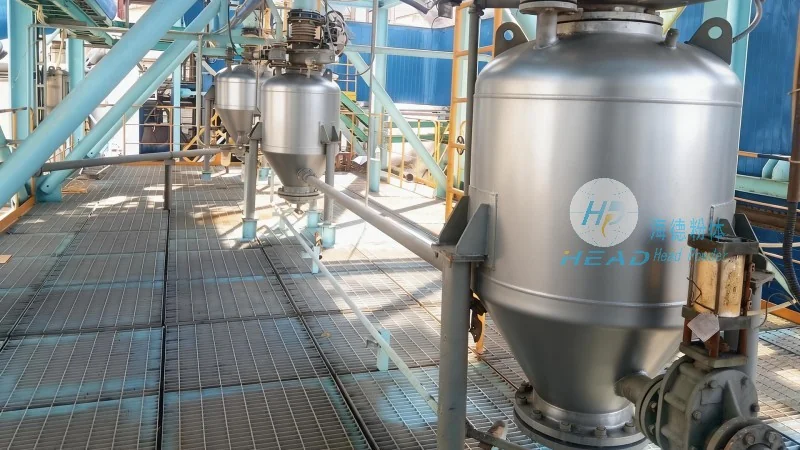
Material feeders and hoppers are responsible for introducing bulk materials into the conveying system. These components are designed to handle various material types, from free-flowing powders to cohesive granules. The feeders may include rotary valves, screw feeders, or vibratory feeders, depending on the material characteristics. The hoppers are constructed to store and feed materials consistently, preventing blockages and ensuring a steady flow. HeadPowder's feeders are equipped with wear-resistant liners and adjustable settings to adapt to different material properties.
4. Separation and Collection Units
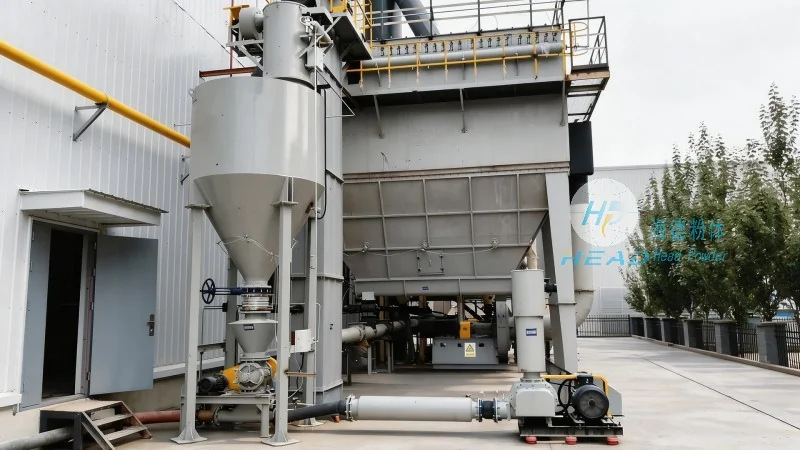
Separation and collection units are crucial for processing the conveyed material and removing air or other contaminants. These units may include cyclones, filters, or dust collectors, depending on the application. The separation process ensures that the material is delivered in a clean and dry state, while the collection units prevent dust emissions and maintain environmental compliance. HeadPowder's separation systems are designed for high efficiency, with advanced filtration technologies that meet stringent environmental regulations.
Working Principles of Petrochemical Pneumatic Conveying Equipment
The operational principle of a petrochemical pneumatic conveying system involves the use of air or gas to transport materials through a closed pipeline system. The process can be categorized into two main types: pressure and vacuum systems. In pressure systems, air is supplied under pressure to push materials forward, while in vacuum systems, a vacuum is created to pull materials into the line. Both systems rely on the principles of fluid dynamics and particle motion to achieve efficient transport.
Advantages of Using Petrochemical Pneumatic Conveying Equipment
Implementing pneumatic conveying systems in petrochemical facilities offers several significant advantages. These include improved safety by eliminating the need for manual handling of hazardous materials, increased efficiency through automated material transport, and reduced maintenance costs due to the absence of mechanical components in contact with the material. Additionally, the systems can be integrated with existing plant infrastructure, minimizing installation time and disruption. HeadPowder's solutions are designed to maximize these benefits while ensuring long-term reliability and performance.
Customization and Application Flexibility
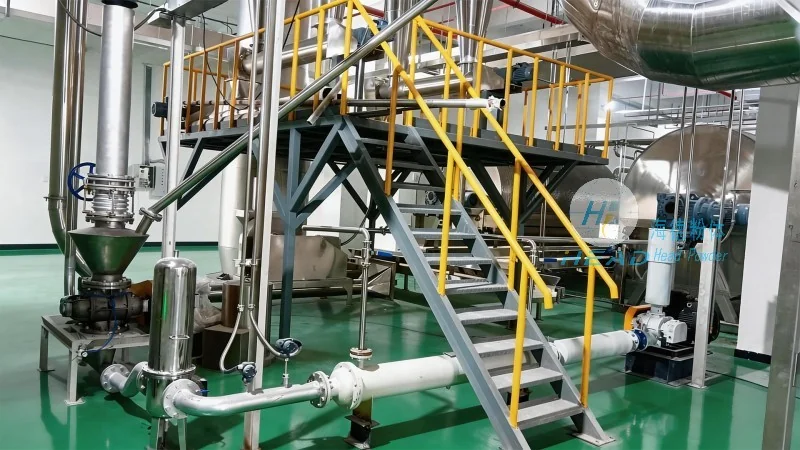
HeadPowder understands that each petrochemical facility has unique operational requirements. Therefore, the company offers customized pneumatic conveying solutions tailored to specific material types, flow rates, and process conditions. The flexibility of these systems allows for adaptation to changing production needs, ensuring that clients can scale their operations without significant modifications. Whether handling fine powders in a chemical plant or transporting granules in an oil refinery, HeadPowder's equipment is designed to meet diverse application demands.
Conclusion
Petrochemical pneumatic conveying equipment, with its robust structure and efficient operational principles, plays a vital role in modern industrial processing. HeadPowder, based in Shandong, China, is a trusted provider of these advanced systems, offering customized solutions that enhance operational efficiency, safety, and sustainability. By understanding the structural components and working principles of these systems, professionals in the petrochemical industry can make informed decisions to optimize their material handling processes. The continued development and application of such equipment will contribute to the advancement of the petrochemical sector, ensuring safe and efficient production of essential products.




