Bicarbonate of soda, also known as sodium bicarbonate, is a widely used chemical in various industries, including food processing, pharmaceuticals, and chemical manufacturing. The efficient and safe transportation of this material is crucial for industrial operations. Pneumatic conveying equipment has emerged as a reliable solution for handling bicarbonate of soda, offering advantages such as dust-free operation, low maintenance, and the ability to transport materials over long distances. This article provides an overview of the structure and working principles of a typical bicarbonate of soda pneumatic conveying system, along with insights into the engineering considerations and operational benefits.
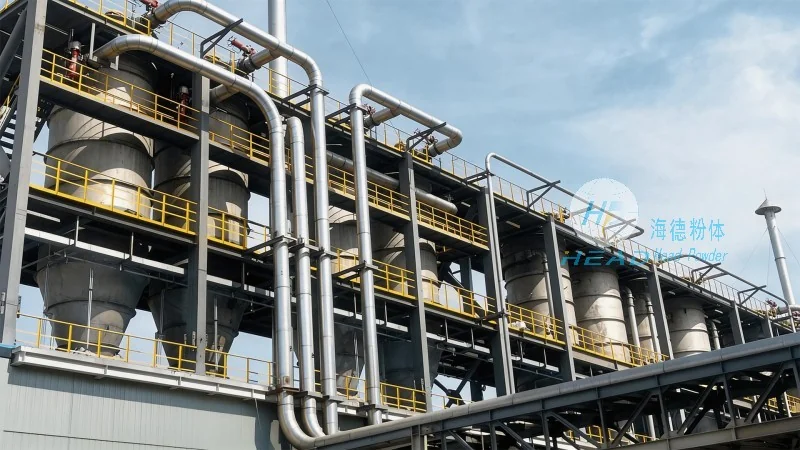
Company Profile: Shandong HeadPowder Engineering Co., Ltd.
Headpowder, the brand name for Shandong HeadPowder Engineering Co., Ltd., is a professional manufacturer specializing in the design, development, and production of pneumatic conveying equipment. Headpowder is headquartered in Shandong, China, and has established itself as a trusted partner in the chemical processing industry. With a focus on high-quality engineering and customer-centric solutions, the company provides customized pneumatic conveying systems tailored to the specific needs of clients. Headpowder's expertise lies in creating reliable and efficient systems that ensure optimal performance and safety in material handling applications.
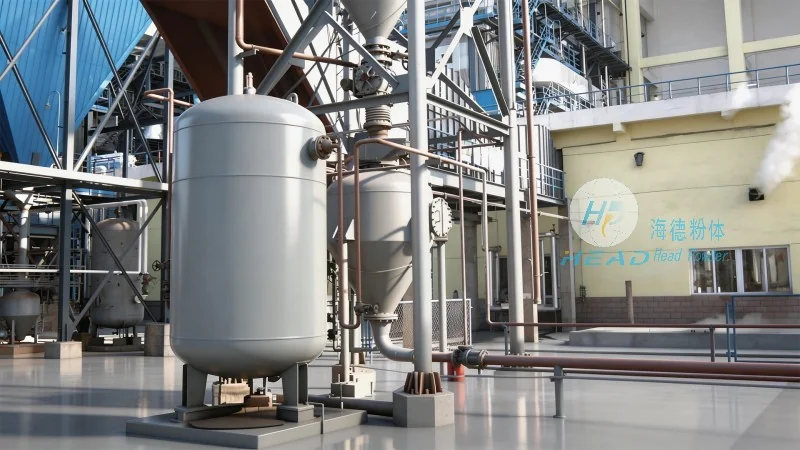
Structural Components of Bicarbonate of Soda Pneumatic Conveying Equipment
The pneumatic conveying system for bicarbonate of soda typically consists of several key components that work in concert to achieve efficient material transport. The primary components include a hopper for material storage, a feeder to control the flow rate, a conveying line (usually made of stainless steel to prevent corrosion), a pressure vessel or receiver for material collection, and a vacuum or pressure system to generate the necessary airflow. The hopper is designed with a smooth interior surface to minimize material buildup and ensure consistent feeding. The feeder, often a rotary valve or a screw feeder, regulates the amount of material released into the conveying line, preventing overloading and maintaining a steady flow. The conveying line is equipped with appropriate fittings and bends to guide the material through the system while minimizing pressure loss. The pressure vessel or receiver is used to collect the conveyed material and may include a dust filter or separator to remove any entrained particles. The vacuum or pressure system, powered by a blower or compressor, provides the force needed to move the material through the system. Each component is carefully selected and engineered to withstand the corrosive nature of bicarbonate of soda and the operational demands of industrial environments.
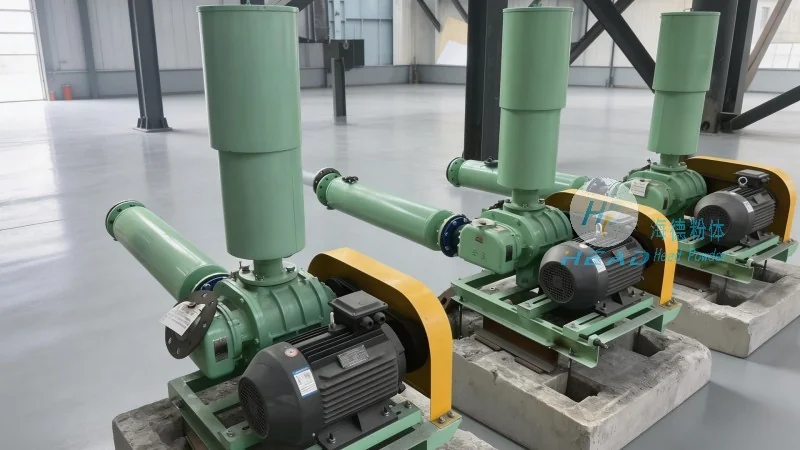
Working Principles of the Pneumatic Conveying Process
The operation of a bicarbonate of soda pneumatic conveying system follows a systematic process that ensures the material is transported safely and efficiently. The process begins with the material being fed from the hopper into the conveying line via the feeder. The feeder controls the flow rate, ensuring a consistent supply of material to the system. Simultaneously, the vacuum or pressure system generates airflow through the conveying line. As the material is introduced into the line, it is entrained by the airflow and carried along the pipeline to the receiver or discharge point. The airflow velocity is critical; it must be sufficient to lift and transport the material without causing excessive wear on the system components. The system may operate in either pressure or vacuum mode, depending on the application requirements. In pressure mode, the blower pushes air and material through the line, while in vacuum mode, a vacuum pump pulls the material and air from the source to the receiver. The receiver collects the material and may include a filtration system to remove any dust or particles that may have been entrained during the conveying process. The entire system is designed to maintain a stable pressure and airflow, ensuring consistent performance and minimizing downtime.
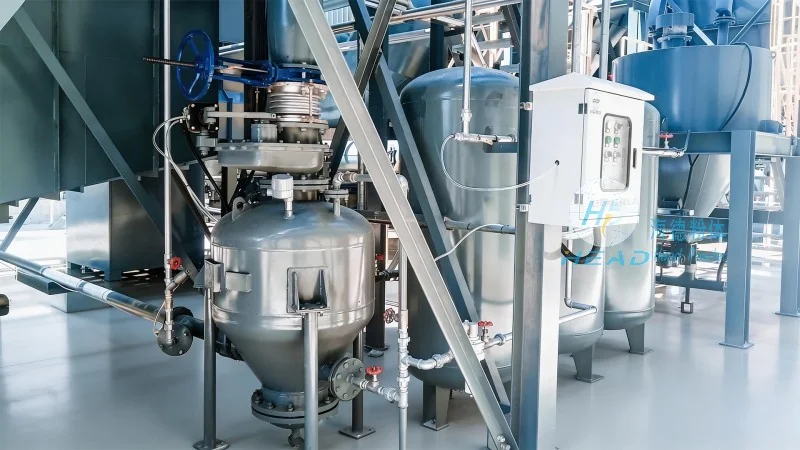
Engineering Considerations and Operational Benefits
When designing a pneumatic conveying system for bicarbonate of soda, several engineering considerations are essential to ensure optimal performance and longevity. The material's physical properties, such as particle size, density, and moisture content, play a significant role in determining the system's design. For example, larger or heavier particles may require higher airflow velocities or different conveying line diameters to prevent blockages. The system's material of construction is also critical, as bicarbonate of soda can be corrosive to certain metals. Stainless steel is commonly used for the conveying line and other components to resist corrosion and maintain hygiene standards. Additionally, the system must be equipped with proper sealing and maintenance features to prevent material leakage and ensure safe operation. The operational benefits of a pneumatic conveying system for bicarbonate of soda include reduced labor costs due to automated material handling, improved safety by eliminating manual handling of powders, and increased efficiency through continuous operation. The system also minimizes material loss and contamination, which is crucial for maintaining product quality in industries such as food and pharmaceuticals. Overall, a well-designed pneumatic conveying system provides a reliable and cost-effective solution for transporting bicarbonate of soda in various industrial applications.




