Introduction to Stone and Coal Pneumatic Conveying Equipment: Structure and Working Principle
Release time:2026-09-21 21:01:49
name of the company:Shandong Headpowder Engineering Co., Ltd.
telephone:156-6277-7102
contacts:Zhang manager
For industries dealing with bulk materials like stone and coal, efficient material handling is crucial for operational efficiency and cost management. Pneumatic conveying systems offer a reliable solution for transporting these materials over short to medium distances. This article provides an overview of the stone and coal pneumatic conveying equipment, focusing on its structural components and operational principles.
Overview of Pneumatic Conveying Systems
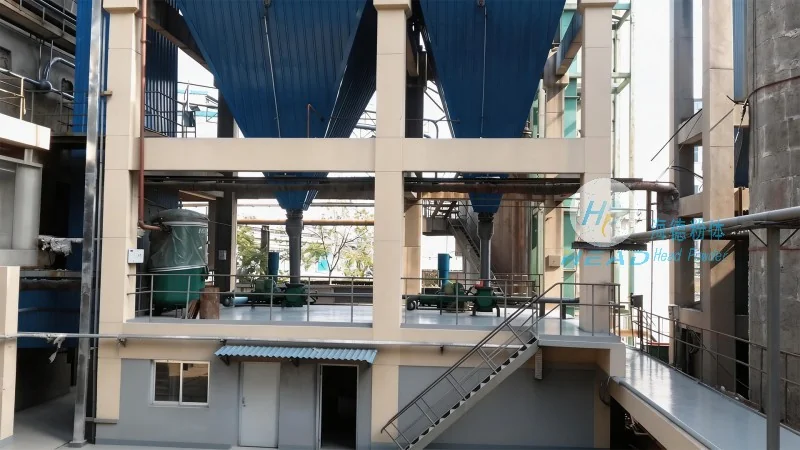
Pneumatic conveying systems utilize air or gas to transport solid materials through a pipeline network. Unlike mechanical conveyors, these systems eliminate the need for moving parts in the conveying path, reducing maintenance requirements and enhancing safety. The equipment typically consists of a series of components that work in tandem to achieve material transport, including a material feed hopper, a conveying line, a control valve, and a discharge point.
Key Structural Components of Stone and Coal Pneumatic Conveying Equipment
The design of stone and coal pneumatic conveying equipment is tailored to handle the specific characteristics of these materials. The primary components include:
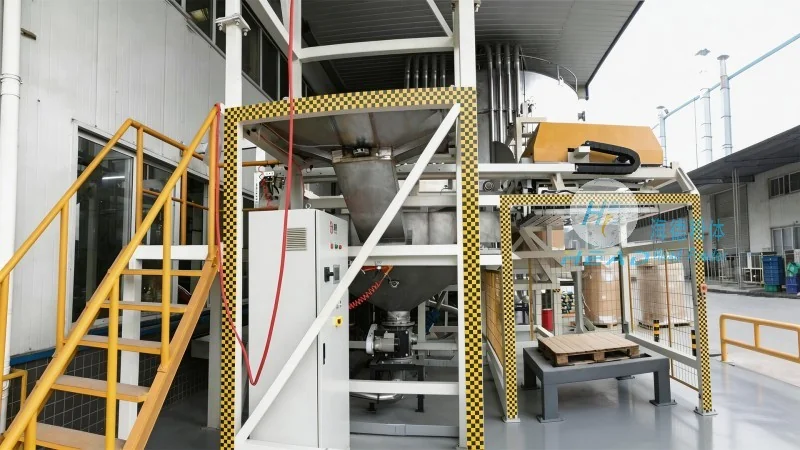
- Material Feed Hopper: This component is responsible for storing and feeding the bulk material into the conveying system. It is designed to handle the bulk density and flow characteristics of stone and coal, ensuring a consistent feed rate. The hopper may include a rotary valve or a gate valve to control the material discharge into the conveying line.
- Conveying Line: The pipeline system is the core of the pneumatic conveying equipment. It is typically made of corrosion-resistant materials such as stainless steel or PVC to withstand the abrasive nature of stone and coal particles. The line is equipped with pressure regulators and flow meters to monitor and control the air pressure and material flow rate.
- Control Valve: The control valve is a critical component that regulates the air flow and material discharge. It can be automated to adjust the conveying rate based on the material level in the hopper or the pressure in the line. This ensures smooth operation and prevents overloading or underloading of the system.
- Discharge Point: The discharge point is where the material is released from the conveying line. It may include a cyclone separator or a filter to separate the material from the air stream, ensuring that the material is deposited in the desired location without dust or air contamination.
Working Principle of Pneumatic Conveying
The operation of stone and coal pneumatic conveying equipment is based on the principle of air movement. The system works by creating a pressure differential between the inlet and outlet of the conveying line. Air is introduced into the conveying line at a high velocity, which entrains the solid particles and transports them through the pipeline. The air velocity is carefully controlled to ensure that the particles are carried without causing excessive wear on the pipeline or the equipment components.
Advantages of Using Pneumatic Conveying for Stone and Coal
Implementing pneumatic conveying systems for stone and coal offers several advantages over traditional mechanical conveyors. These include:
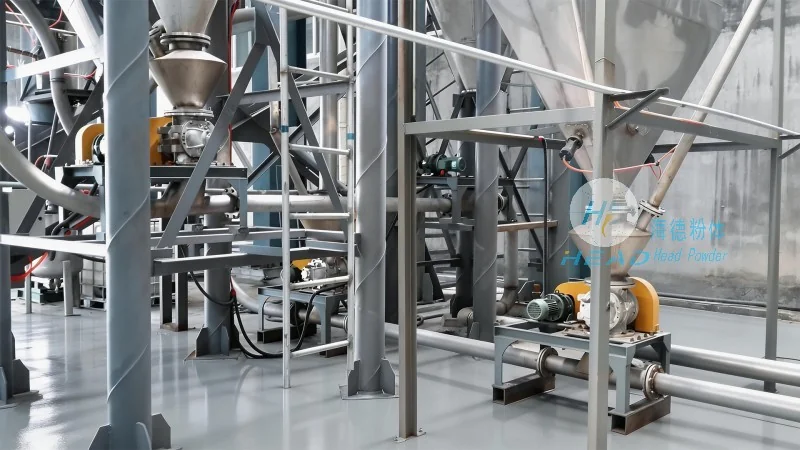
- Reduced Maintenance: The absence of moving parts in the conveying path minimizes the need for regular maintenance, leading to lower operational costs.
- Enhanced Safety: The enclosed pipeline system prevents dust and particulate matter from escaping into the environment, reducing the risk of respiratory issues and fire hazards.
- Flexibility in Layout: Pneumatic conveying systems can be easily integrated into existing industrial layouts, allowing for flexible material transport paths.
- Improved Material Handling: The system can handle a wide range of particle sizes and shapes, making it suitable for various applications in the stone and coal processing industries.
Applications in the Stone and Coal Industry
Stone and coal pneumatic conveying equipment is widely used in various applications within the mining, construction, and energy sectors. Some common applications include:
- Coal Handling: In power plants and coal processing facilities, pneumatic conveying systems are used to transport coal from storage silos to boilers or processing units.
- Stone and Aggregate Transport: In construction and mining operations, these systems are used to move crushed stone and aggregates from storage areas to processing plants or construction sites.
- Raw Material Transport: In cement and concrete production, pneumatic conveying is used to transport raw materials such as limestone and clay to the production lines.
Conclusion
Stone and coal pneumatic conveying equipment offers a reliable and efficient solution for bulk material transport in various industrial applications. The equipment's design, which includes components like the material feed hopper, conveying line, control valve, and discharge point, is optimized to handle the specific characteristics of stone and coal. By understanding the working principles and advantages of these systems, industries can enhance their operational efficiency and reduce costs. As a leading provider in this field, Shandong HeadPowder Engineering Co., Ltd. specializes in designing and manufacturing high-quality pneumatic conveying equipment tailored to meet the specific needs of clients in the stone and coal industry.




