Shandong HeadPowder Engineering Co., Ltd., commonly known as headpowder, is a professional manufacturer and supplier of industrial conveying equipment based in Shandong, China. The company specializes in the design, development, and production of advanced pneumatic conveying systems, particularly for handling lead powder and other similar materials. This article provides an overview of the lead powder pneumatic conveying equipment, detailing its structural components and operational principles to help users understand its functionality and benefits.
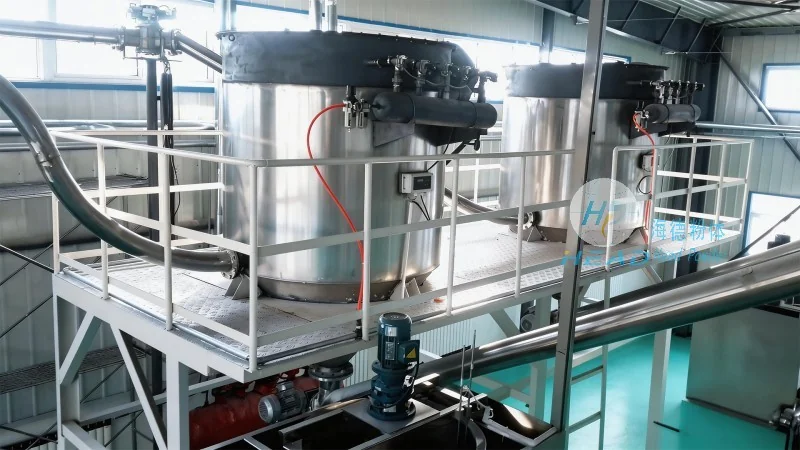
Overview of Lead Powder Pneumatic Conveying Equipment
Lead powder pneumatic conveying equipment is a specialized system designed to transport lead powder from one location to another using compressed air or other gas as the conveying medium. Unlike traditional mechanical conveying methods, such as screw conveyors or belt conveyors, pneumatic systems offer several advantages, including reduced dust generation, improved safety, and the ability to handle materials that are difficult to transport with conventional equipment. The equipment is widely used in the lead industry, including lead smelting, battery manufacturing, and powder processing, where efficient and reliable material handling is critical.
Key Structural Components of the Equipment
The lead powder pneumatic conveying system typically consists of several key components that work together to ensure smooth and efficient operation. These components include:
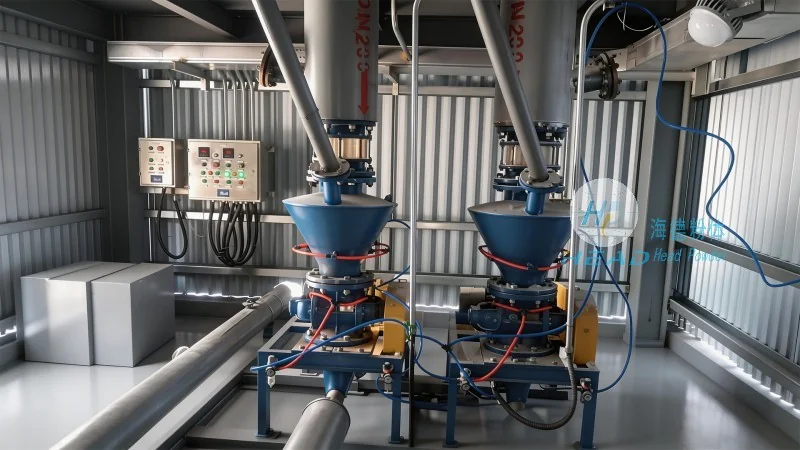
1. Feeding Unit: This component is responsible for introducing the lead powder into the conveying system. It may include a hopper, a rotary valve, or a vacuum feeder, depending on the specific application. The feeding unit ensures a consistent and controlled flow of material into the system, preventing blockages and maintaining system efficiency.
2. Pneumatic Conveying Pipe: The main part of the system, the conveying pipe is a network of pipes through which the lead powder and air mixture travels. The pipe is usually made of stainless steel or other corrosion-resistant materials to withstand the chemical properties of lead powder and prevent contamination. The design of the pipe, including its diameter and length, is optimized to minimize pressure drop and ensure efficient material transport.
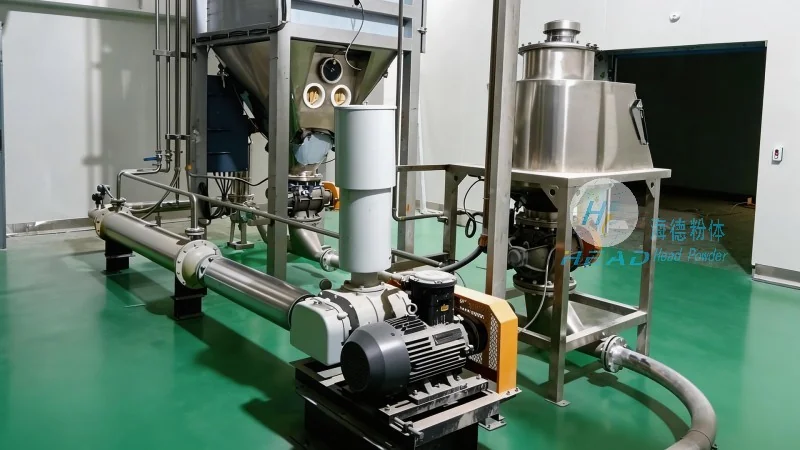
3. Air Supply System: This component provides the necessary compressed air or gas to move the lead powder through the conveying pipe. It typically includes an air compressor, a filter, and a regulator to maintain consistent pressure and air quality. The air supply system is crucial for ensuring the proper velocity of the material-air mixture, which directly impacts the conveying efficiency and system performance.
4. Separation and Collection Unit: At the end of the conveying line, the separation unit is used to separate the lead powder from the air. This may involve a cyclone separator, a bag filter, or a combination of both. The separated lead powder is collected in a hopper or storage container, while the clean air is discharged back into the environment or recycled for further use.
Working Principle of the Lead Powder Pneumatic Conveying Equipment
The operation of the lead powder pneumatic conveying equipment is based on the principle of fluidization and pneumatic transport. When compressed air is introduced into the feeding unit, it creates a low-pressure zone that draws the lead powder into the conveying pipe. The air and powder mixture then travels through the pipe at a high velocity, maintaining the powder in a suspended state. As the mixture reaches the separation unit, the air is separated from the powder due to differences in density and particle size. The separated powder is collected, and the air is either filtered or recycled, depending on the system design.
The efficiency of the system depends on several factors, including the air velocity, the particle size and density of the lead powder, and the length and diameter of the conveying pipe. Proper design and maintenance of the equipment are essential to ensure optimal performance and minimize energy consumption. The lead powder pneumatic conveying system is designed to handle various lead powder types, including fine powders and granules, with minimal degradation of the material.
Advantages and Applications
The lead powder pneumatic conveying equipment offers several advantages over traditional conveying methods. These include:
1. Environmental Benefits: By using enclosed systems and efficient filtration, the equipment minimizes dust emissions and prevents environmental contamination, making it a more environmentally friendly option.
2. Enhanced Safety: The enclosed design reduces the risk of dust explosions and inhalation of harmful particles, improving workplace safety for operators.
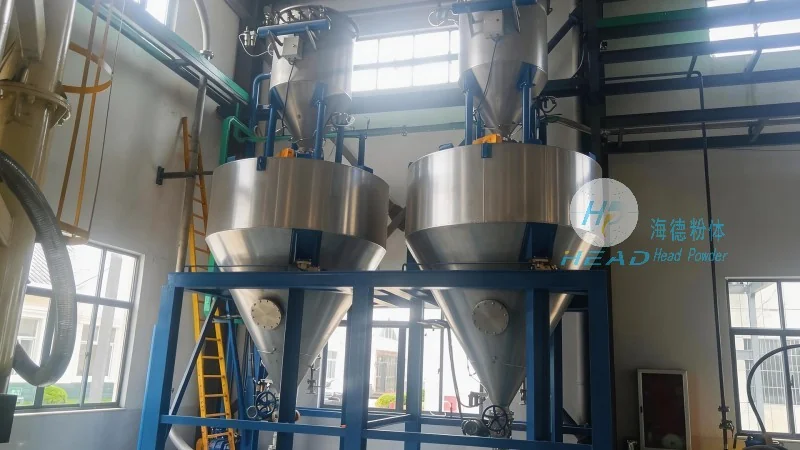
3. Efficient Material Handling: The system can transport lead powder over long distances with minimal loss and degradation, ensuring consistent material quality.
4. Flexibility: The equipment can be easily adapted to different production processes and can handle varying material characteristics, making it suitable for a wide range of applications.
Applications of the lead powder pneumatic conveying equipment include lead smelting plants, battery manufacturing facilities, and powder coating operations. In these industries, the equipment is used to transport lead powder from storage silos to processing lines, from production areas to packaging stations, and between different stages of the manufacturing process. The system's ability to handle large volumes of material efficiently and safely makes it an essential component of modern lead processing operations.
Conclusion
Lead powder pneumatic conveying equipment from Shandong HeadPowder Engineering Co., Ltd. represents a advanced solution for the efficient and safe handling of lead powder. By understanding the structural components and working principles of the system, users can appreciate its benefits and make informed decisions when selecting the appropriate conveying equipment for their industrial applications. The company's commitment to quality and innovation ensures that their equipment meets the highest standards of performance and reliability, making it a trusted choice for businesses in the lead industry.




