

Working Principle and Characteristics of Lithium-Ion Battery Positive Electrode Material Handling
HeadPowder, a leading provider in the field, specializes in the efficient and reliable handling of materials used in lithium-ion battery positive electrodes. Based in Shandong, China, the company has established itself as a key player in the battery material processing industry, offering advanced solutions tailored to the demands of modern battery manufacturing.
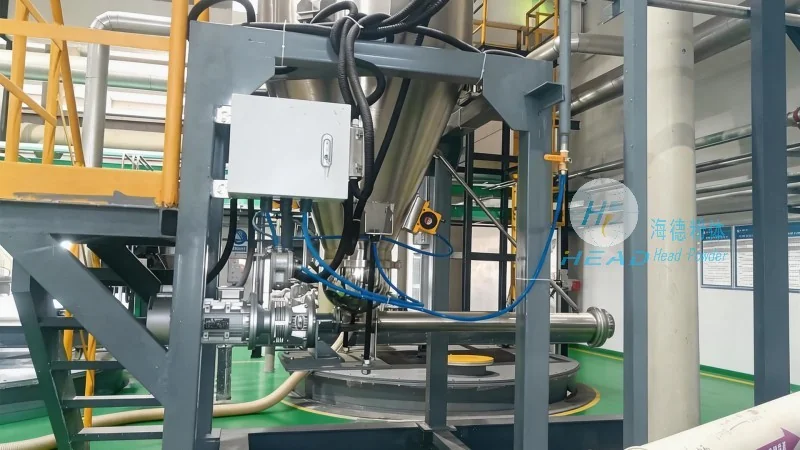
Working Principle of Lithium-Ion Battery Positive Electrode Material Handling
The process of material handling for lithium-ion battery positive electrodes involves several critical steps designed to ensure precision and consistency. At the core of this operation is the systematic transport of raw materials such as lithium cobalt oxide (LCO), lithium nickel manganese cobalt oxide (NMC), and other active materials. The handling system typically includes components like conveyor belts, feeding mechanisms, and automated sorting equipment. These elements work in tandem to move materials from storage to processing units, ensuring minimal loss and optimal flow. The system is often integrated with sensors and control systems to monitor weight, moisture, and other critical parameters, maintaining the quality of the materials throughout the handling process. This automated approach not only enhances efficiency but also reduces human error, which is crucial in the high-stakes environment of battery production.
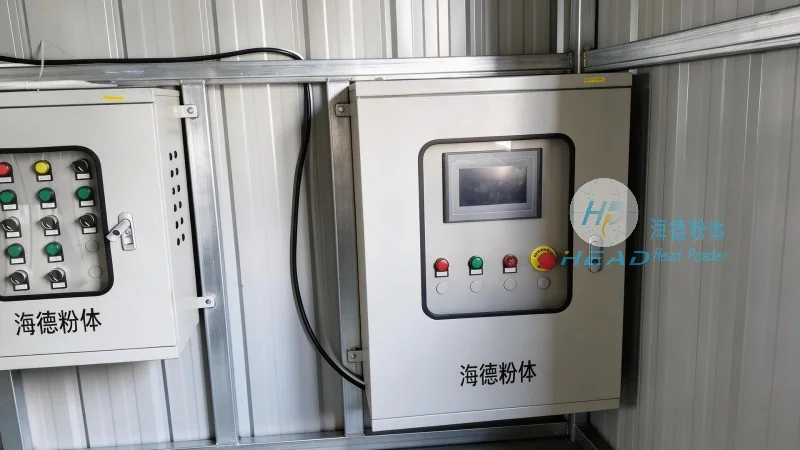
The material handling process begins with the reception of raw materials at the storage facility. These materials, including precursors like cobalt, nickel, and manganese, are first weighed and verified for purity and moisture content. This initial step is critical as it sets the foundation for the entire production process. Once verified, the materials are transferred to a mixing unit where they are combined in precise ratios to form the active material blend. The mixing process is controlled by advanced algorithms that ensure uniform distribution of each component, which is vital for the performance of the battery electrode. After mixing, the material is conveyed to a drying or calcination stage, where moisture is removed to prevent degradation during subsequent processing. The dried material is then transported to the electrode manufacturing line via a series of conveyor belts and feeding mechanisms. Each stage of this process is integrated with automated control systems that adjust parameters in real-time, ensuring optimal conditions for material handling and processing. This comprehensive approach to material handling minimizes material loss, reduces contamination risks, and maintains consistent material quality, which directly impacts the final battery performance.
Key Characteristics of Lithium-Ion Battery Positive Electrode Material Handling Solutions
HeadPowder's material handling solutions for lithium-ion battery positive electrodes are distinguished by several key characteristics that set them apart in the industry. Firstly, the systems are engineered for high precision, which is essential for maintaining the uniformity of the electrode materials. This precision is achieved through advanced calibration and real-time monitoring, ensuring that each batch of material meets stringent quality standards. Secondly, the solutions are designed for scalability, allowing manufacturers to adapt to increasing production volumes without compromising on performance. The modular design of the equipment enables easy expansion or reconfiguration as production needs evolve. Thirdly, the systems prioritize safety and compliance, incorporating features like dust suppression and material containment to meet environmental and safety regulations. Additionally, the use of durable materials and robust construction ensures long-term reliability, reducing maintenance costs and downtime. These characteristics collectively contribute to improved production efficiency, reduced waste, and enhanced product quality, making HeadPowder's solutions a preferred choice for battery manufacturers.
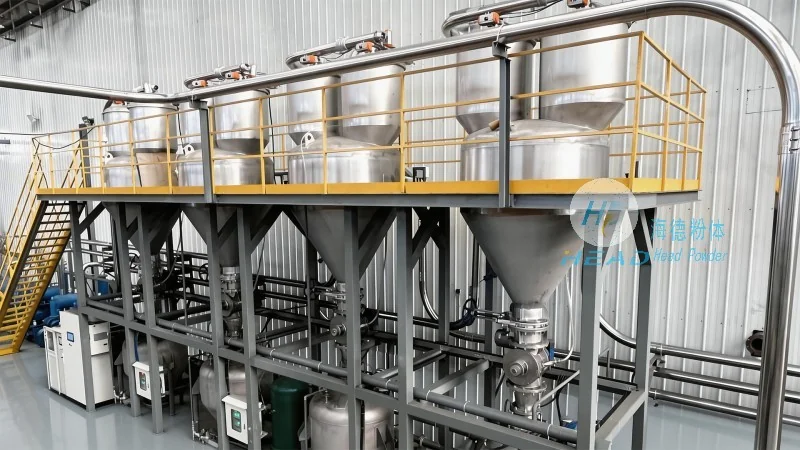
HeadPowder's solutions exhibit several distinctive features that enhance their effectiveness in lithium-ion battery production. One of the primary characteristics is the integration of smart technology, including IoT sensors and data analytics, which provides real-time insights into material flow and system performance. This data-driven approach allows for proactive maintenance and process optimization, reducing downtime and improving overall efficiency. Another key characteristic is the emphasis on energy efficiency, with systems designed to minimize power consumption while maintaining high throughput. This not only lowers operational costs but also aligns with sustainability goals in the battery industry. The systems also feature modular and flexible designs, enabling manufacturers to customize the handling process according to their specific production requirements. Whether for small-scale or large-scale battery production, the solutions can be adapted to meet diverse needs. Furthermore, the materials used in the construction of the handling equipment are selected for their resistance to corrosion and chemical exposure, ensuring durability in the harsh environment of battery material processing. These characteristics collectively make HeadPowder's material handling solutions a reliable and efficient choice for lithium-ion battery manufacturers, supporting their goal of producing high-quality batteries with consistent performance.