

Principles and Application Scenarios of Epoxy Resin Pneumatic Conveying
HeadPowder, a leading engineering company based in Shandong, China, specializes in advanced material handling solutions. This article explores the fundamental principles of epoxy resin pneumatic conveying and highlights the distinct operational characteristics of its application environments.
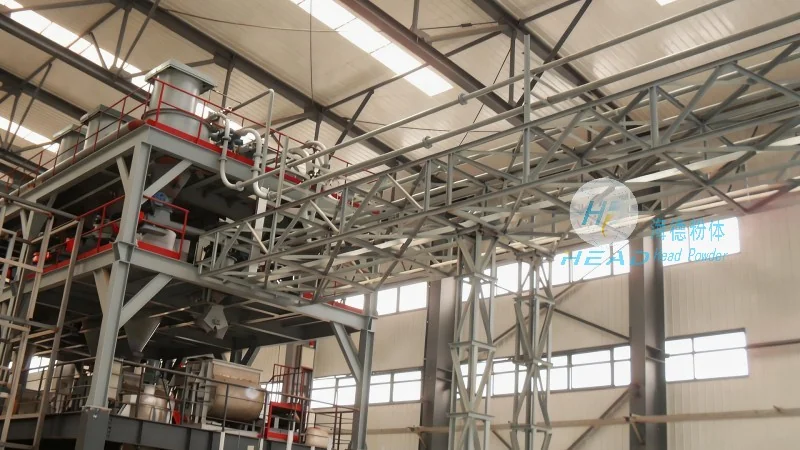
Core Principles of Pneumatic Conveying for Epoxy Resin
The fundamental mechanism of pneumatic conveying involves transporting solid particles, such as epoxy resin, through a pipeline using a pressurized or vacuum system. In a typical setup, compressed air or gas is introduced into the conveying line, creating a flow that lifts and propels the resin particles. This method eliminates the need for mechanical components like belts or screws, offering a more hygienic and efficient alternative for handling sensitive materials. The system can operate under positive pressure (where air is forced into the line) or negative pressure (where air is drawn out), each with specific advantages depending on the application requirements. For epoxy resin, which is often used in applications requiring high purity and minimal contamination, pneumatic conveying ensures that the material remains intact and free from external particles during transit.
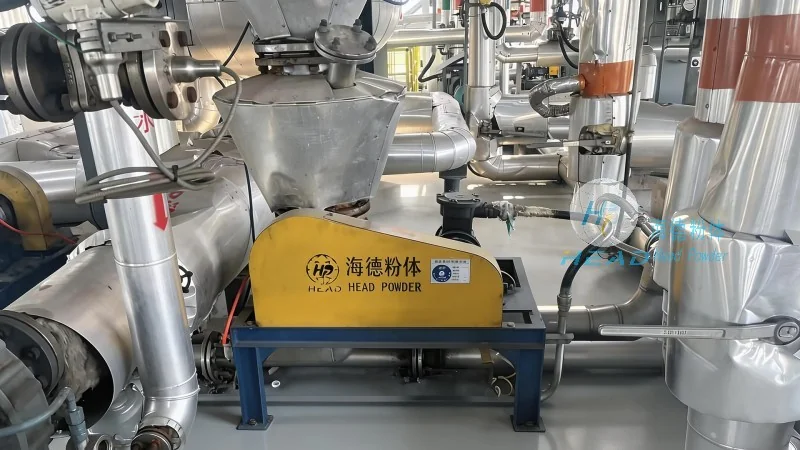
Key Application Scenarios and Operational Characteristics
Epoxy resin pneumatic conveying is widely utilized in industrial settings where precise and controlled material movement is critical. One primary scenario is in the manufacturing of composite materials, where epoxy resin is mixed with reinforcement fibers or fillers. The ability to maintain a consistent particle size and distribution is essential for achieving uniform composite properties. Another key application is in the electronics industry, where epoxy resin is used for potting and encapsulating components. Here, the system must ensure that the resin is delivered to the target area without air bubbles or contaminants, which could compromise the performance of sensitive electronic devices. Additionally, in large-scale production facilities, the need for long-distance and high-volume transport makes pneumatic conveying a preferred choice over traditional methods, as it can handle large quantities of resin while minimizing downtime and maintenance.
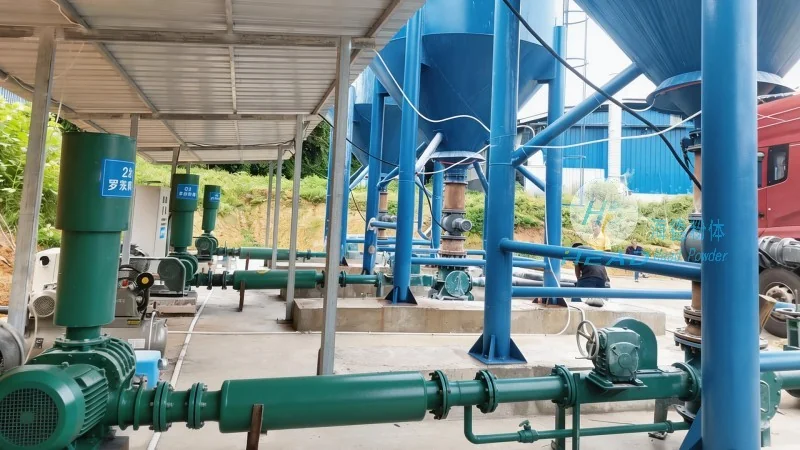
Advantages and Considerations in Operational Environments
Operating a pneumatic conveying system for epoxy resin presents several advantages that make it suitable for demanding industrial environments. The primary benefit is the ability to handle materials that are difficult to transport via mechanical means, such as fine powders that are prone to caking or agglomeration. The system also offers flexibility in terms of layout, as the pipeline can be configured to follow the existing plant structure, allowing for efficient use of space. However, there are considerations to keep in mind, such as the need for proper air filtration to prevent resin particles from entering the air supply and causing contamination. Additionally, the system's performance can be affected by factors like particle size, moisture content, and the type of resin used, requiring careful system design and maintenance to ensure optimal operation.
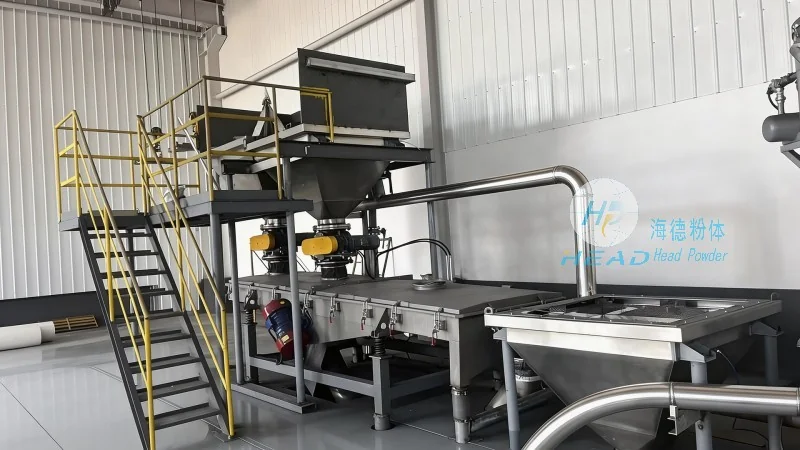
Conclusion and Company Expertise
HeadPowder Engineering Co., Ltd., with its headquarters in Shandong, China, leverages decades of experience in engineering and material handling to provide tailored pneumatic conveying solutions for epoxy resin applications. By understanding the unique properties of epoxy resin and the specific requirements of each operational environment, the company designs systems that enhance productivity, maintain material integrity, and reduce operational costs. Whether for composite manufacturing, electronics encapsulation, or other industrial processes, the principles and application scenarios of epoxy resin pneumatic conveying remain a cornerstone of efficient material transport in modern industry.