

Principle and Working Scene Characteristics of Magnesium Hydroxide Pneumatic Conveying
Magnesium hydroxide pneumatic conveying is a method that utilizes air flow to transport solid particles of magnesium hydroxide. The core principle involves creating a pressure differential between the conveying pipeline and the ambient air, which generates the necessary force to move the material. In this process, the magnesium hydroxide particles are suspended in the air stream and transported through the pipeline. The efficiency of this method depends on several factors, including the particle size, density, and moisture content of the magnesium hydroxide, as well as the air velocity and pressure within the system. Proper design of the conveying system, such as the choice of pipeline diameter, air flow rate, and the use of appropriate valves and filters, is crucial to ensure stable and efficient operation. The pneumatic conveying of magnesium hydroxide is often preferred over traditional mechanical conveying due to its ability to handle fine powders without the need for additional equipment like hoppers or conveyor belts.
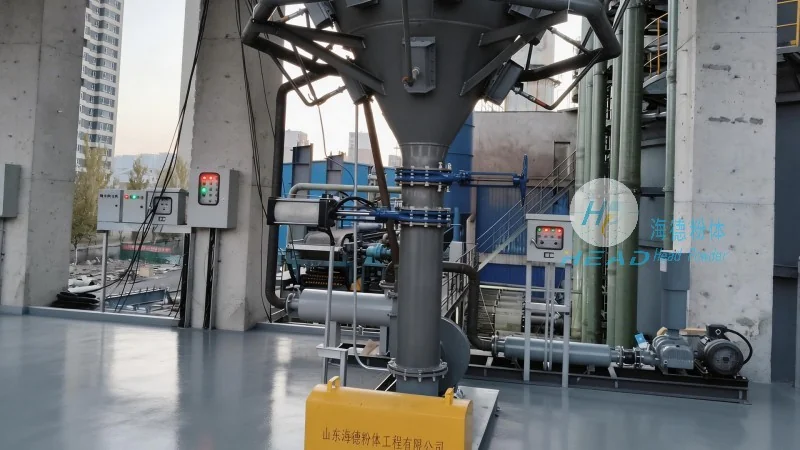
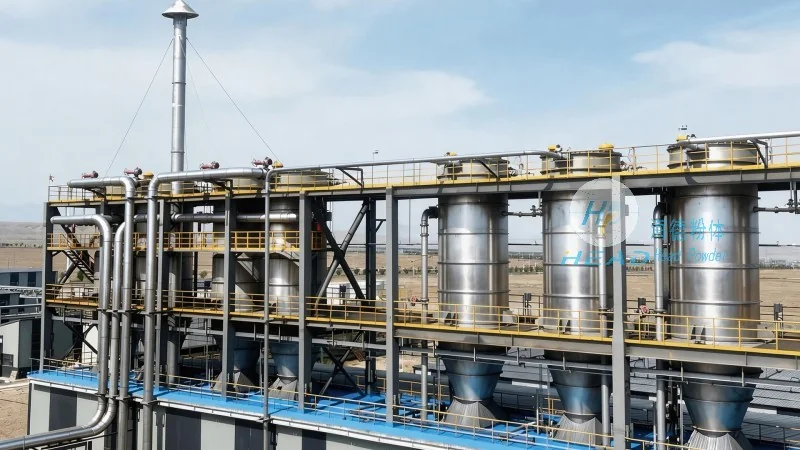
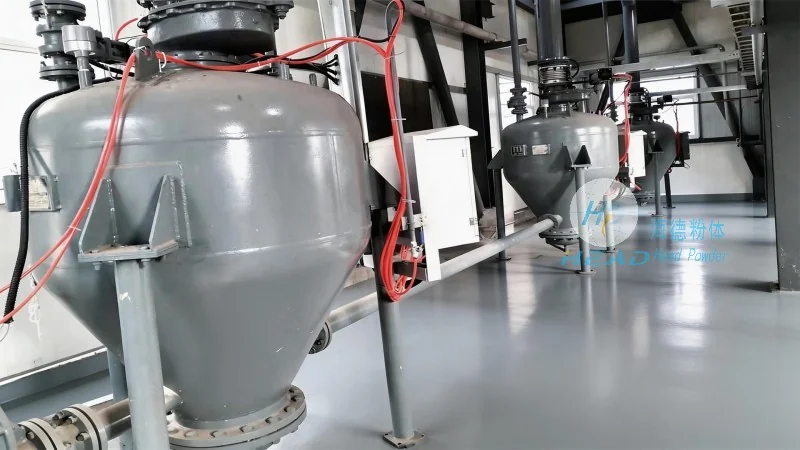
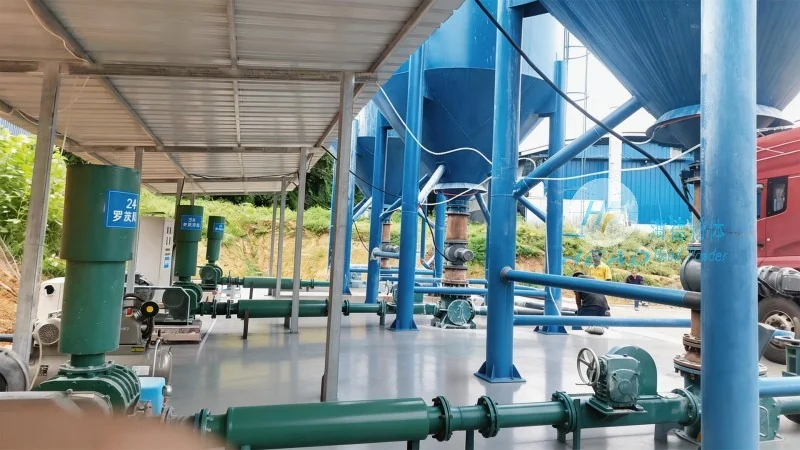
Working Scene Characteristics of Magnesium Hydroxide Pneumatic Conveying
The working scene characteristics of magnesium hydroxide pneumatic conveying vary based on the specific industrial applications and operational conditions. In industrial settings, such as chemical plants, pharmaceutical factories, and food processing facilities, the method is commonly used to transport magnesium hydroxide from storage silos to processing units or packaging areas. The flexibility of pneumatic conveying allows for the integration of the system into existing production lines, minimizing downtime and enhancing workflow efficiency. For example, in the production of magnesium hydroxide-based products, the material may need to be conveyed over short or long distances, depending on the plant layout. The system can be designed for both low and high-volume conveying, making it suitable for various production scales. Additionally, the ability to handle different particle sizes and moisture levels makes it adaptable to diverse processing requirements. In some applications, the conveying system may operate in environments with varying temperatures or humidity, requiring the use of specialized materials for the pipeline and components to ensure durability and prevent material degradation. The working scene also includes considerations for safety and maintenance, as proper ventilation and regular cleaning of the pipeline are essential to prevent dust accumulation and maintain system performance.
Application Scenarios and Technical Advantages
In various industrial sectors, the pneumatic conveying of magnesium hydroxide offers several technical advantages that make it a preferred choice for material handling. One key advantage is the ability to transport fine powders without the need for mechanical components that could cause particle attrition or contamination. This is particularly important for magnesium hydroxide, which is often used in applications where purity and particle integrity are critical, such as in the production of flame retardants, cosmetics, or pharmaceuticals. The system, often provided by specialized engineering firms like Shandong HeadPowder Engineering Co., Ltd., provides a dust-free conveying environment, reducing the risk of occupational exposure to fine particles and improving workplace safety. Furthermore, the flexibility of pneumatic conveying allows for easy integration with other processing equipment, such as mixers, reactors, or packaging machines, enabling seamless material flow from one stage to the next. The energy efficiency of the system, especially when using high-efficiency blowers and optimized air flow, contributes to lower operational costs compared to traditional conveying methods. In terms of scalability, the system can be easily expanded or modified to accommodate changes in production volume or material specifications, providing long-term operational flexibility. The working scene characteristics also highlight the importance of proper system design and maintenance to ensure consistent performance and minimize downtime. By understanding the specific requirements of the application, such as the desired conveying distance, material flow rate, and environmental conditions, the system can be tailored to meet the needs of the operation effectively.