Understanding the principles and application scenarios of lithium oxide pneumatic conveying is crucial for industries dealing with this specialized material. This article provides an in-depth look at the technology, its operational mechanics, and the specific environments where it is most effectively utilized.
Principles of Lithium Oxide Pneumatic Conveying
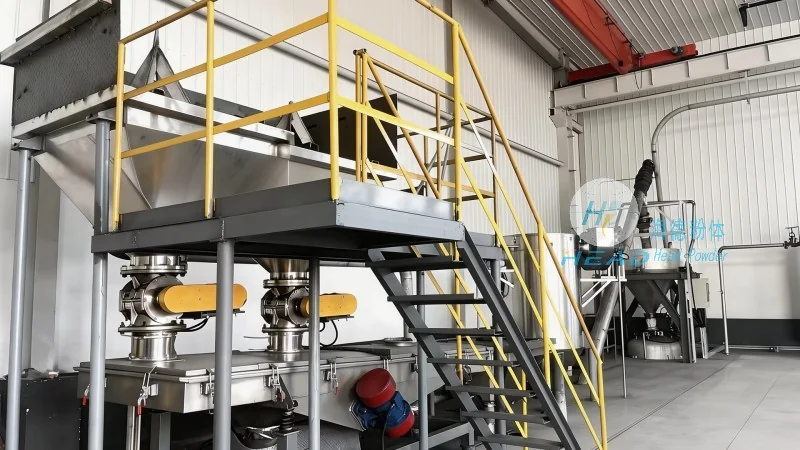
Lithium oxide pneumatic conveying operates on the fundamental principle of transporting solid particles through a pipeline using a stream of air or other gas. The process involves creating a pressure differential that propels the material from the source to the destination. Key components include a hopper for material storage, a conveying line, and a receiver for the material's final deposition. The system typically uses positive pressure or negative pressure (vacuum) to move the material, with positive pressure being more common for lithium oxide due to its reactivity and the need to prevent dust inhalation.
The conveying process begins when the material is released from the hopper into the conveying line. The air stream, often heated or filtered to maintain material integrity, carries the particles through the pipeline. The velocity of the air must be sufficient to overcome the gravitational and frictional forces acting on the particles, ensuring stable and efficient transport. For lithium oxide, which is hygroscopic and can be reactive, the system is designed with materials that resist corrosion and moisture, such as stainless steel or specialized coatings.
Key Working Scenarios and Characteristics
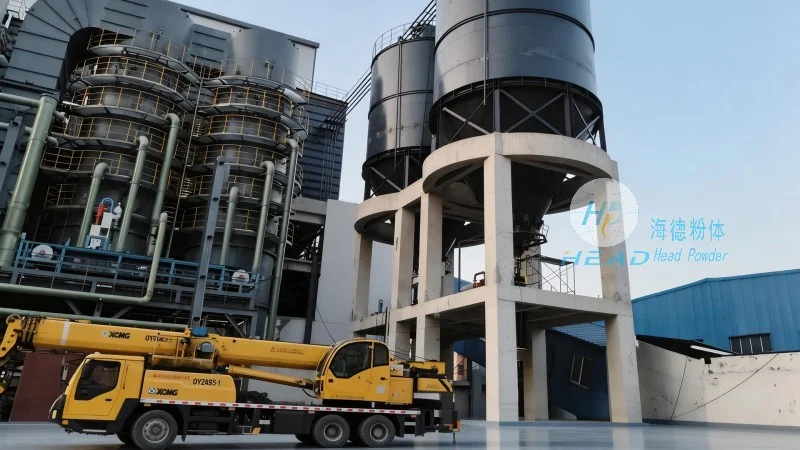
The application of lithium oxide pneumatic conveying is defined by specific working scenarios that leverage the technology's advantages. These scenarios are tailored to the unique properties of lithium oxide, including its high reactivity, hygroscopic nature, and the need for controlled, dust-free handling.
One primary scenario is in the chemical manufacturing sector, where lithium oxide is used as a precursor in battery production. In this context, the system must ensure precise dosing and minimal contamination, as even trace amounts of moisture or impurities can affect the final product's performance. The conveying system is often integrated with automated batching and mixing equipment, allowing for consistent and repeatable production processes.
Another critical scenario is in pharmaceutical and fine chemical applications. Here, the focus is on maintaining stringent purity standards and preventing cross-contamination. The pneumatic conveying system is equipped with high-efficiency particulate air (HEPA) filters and closed-loop designs to contain dust and ensure a clean environment. This is essential for lithium oxide, which is used in drug formulations and requires compliance with strict regulatory standards.
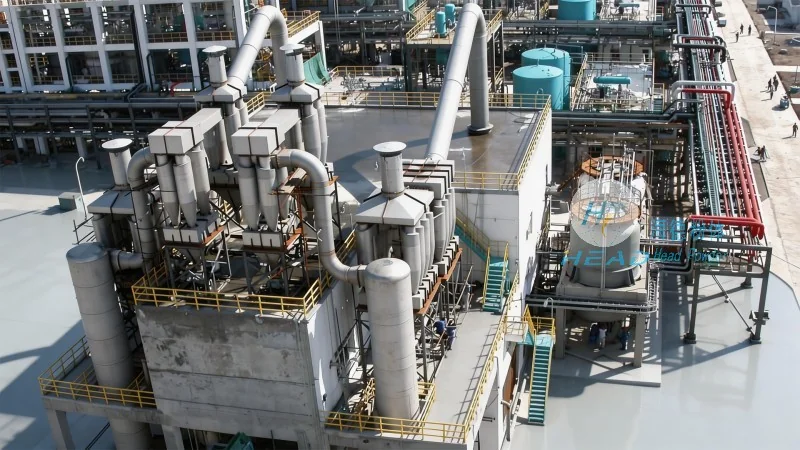
In industrial processing facilities, lithium oxide may be used as a catalyst or additive in various reactions. The conveying system in these settings is designed for high throughput and reliability, with features like multiple inlets and outlets to handle varying material flow rates. The system's ability to handle abrasive or reactive materials is enhanced by using flexible hoses or specialized pipe fittings that can withstand the material's properties without degradation.
Operational Advantages and Considerations
Implementing lithium oxide pneumatic conveying offers several operational advantages that make it a preferred method for handling this material. These benefits include reduced labor costs due to automated material transport, improved safety by minimizing manual handling of hazardous materials, and enhanced product quality through precise control over the conveying process.
However, there are also considerations that must be addressed when using this technology. The reactivity of lithium oxide means that the system must be carefully designed to prevent contact with moisture or other reactive substances, which could lead to exothermic reactions or material degradation. Additionally, the hygroscopic nature of lithium oxide requires the system to be equipped with drying or moisture control mechanisms to maintain the material's quality during transport.
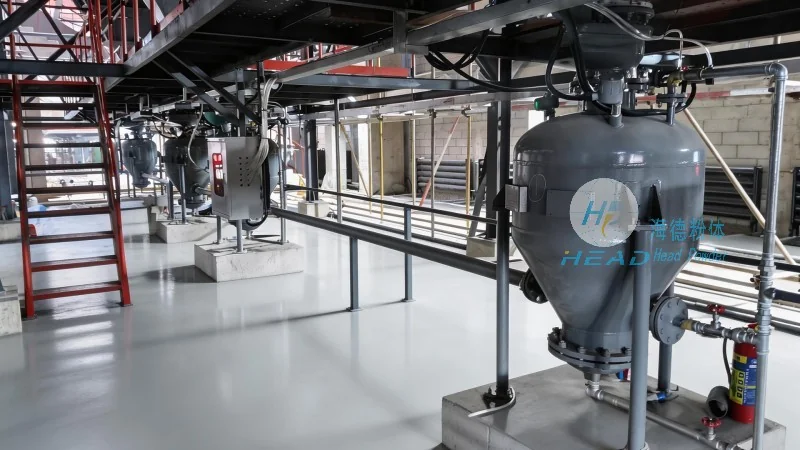
The system's design also plays a critical role in its effectiveness. Proper air velocity and pressure control are essential to prevent material degradation or blockages in the pipeline. Regular maintenance, including cleaning and inspection of the conveying line and filters, is necessary to ensure consistent performance and prevent downtime. For lithium oxide, which can be abrasive, the use of wear-resistant materials in the hopper and pipeline components is crucial to extend the system's lifespan.
Conclusion
Lithium oxide pneumatic conveying is a sophisticated and effective method for handling this specialized material across various industrial applications. By understanding its principles and the specific working scenarios where it excels, industries can optimize their material handling processes, enhance safety, and maintain product quality. The technology's adaptability to different operational requirements, combined with its ability to handle reactive and hygroscopic materials, makes it a valuable asset in modern manufacturing and processing.




