

Principles and Application Scenarios of Sulfuric Acid Nickel Pneumatic Conveying
Understanding the principles and application scenarios of sulfuric acid nickel pneumatic conveying is crucial for optimizing material handling processes in industrial settings. This article explores the fundamental mechanisms behind pneumatic conveying systems and highlights key characteristics of their operational environments, providing insights into effective implementation and management.
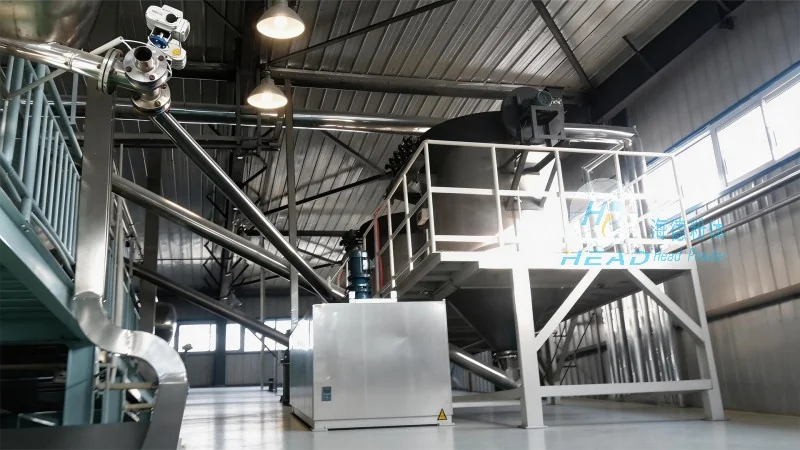
Overview of Sulfuric Acid Nickel Pneumatic Conveying
Sulfuric acid nickel, a critical material in various industrial applications, often requires efficient and safe transportation methods. Pneumatic conveying offers a reliable solution by utilizing air or gas to transport solid materials like nickel compounds through a pipeline system. This method is particularly advantageous for handling materials that are sensitive to moisture, contamination, or environmental factors, making it a preferred choice in chemical and metal processing industries.
The Fundamental Principles of Pneumatic Conveying
Pneumatic conveying operates on the principle of transporting bulk materials by suspending them in a moving gas stream. The system typically consists of a source of air or gas, a material feed mechanism, a conveying pipeline, and a discharge or collection unit. The air velocity within the pipeline is maintained at a level sufficient to keep the material particles suspended, preventing deposition and ensuring smooth flow. Key factors influencing the efficiency of pneumatic conveying include air pressure, flow rate, particle size, and material density. By carefully balancing these parameters, operators can achieve optimal conveying performance with minimal energy consumption and equipment wear.
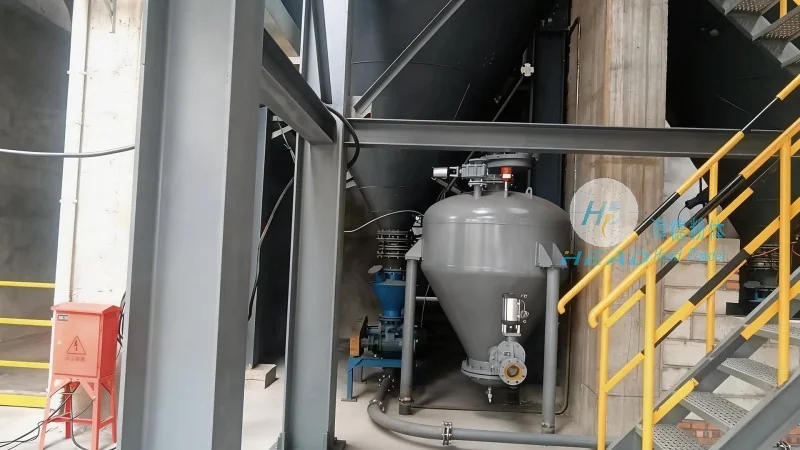
Key Characteristics of Sulfuric Acid Nickel Pneumatic Conveying Systems
When applied to sulfuric acid nickel, pneumatic conveying systems exhibit several distinct characteristics that enhance their suitability for specific industrial needs. One of the primary advantages is the ability to handle materials in a closed system, which minimizes exposure to external contaminants and reduces the risk of dust dispersion. This is particularly important for nickel compounds, which may be reactive or hazardous if exposed to air or moisture. Additionally, pneumatic conveying allows for precise control over material flow rates and direction, enabling seamless integration with downstream processing equipment such as reactors, filters, or storage tanks.
Work Environment and Operational Scenarios
The work environment for sulfuric acid nickel pneumatic conveying systems is typically characterized by industrial settings such as chemical plants, metal processing facilities, and mining operations. These environments often involve high temperatures, corrosive substances, and demanding operational conditions. The systems are designed to withstand these challenges, with materials like stainless steel or specialized alloys used for pipeline construction to resist chemical corrosion and mechanical stress. Operational scenarios may include continuous or batch processing, with the ability to handle varying material loads and flow rates to accommodate production demands. The flexibility of pneumatic conveying also allows for integration into existing infrastructure, reducing the need for extensive site modifications and enabling rapid deployment in new or expanded facilities.
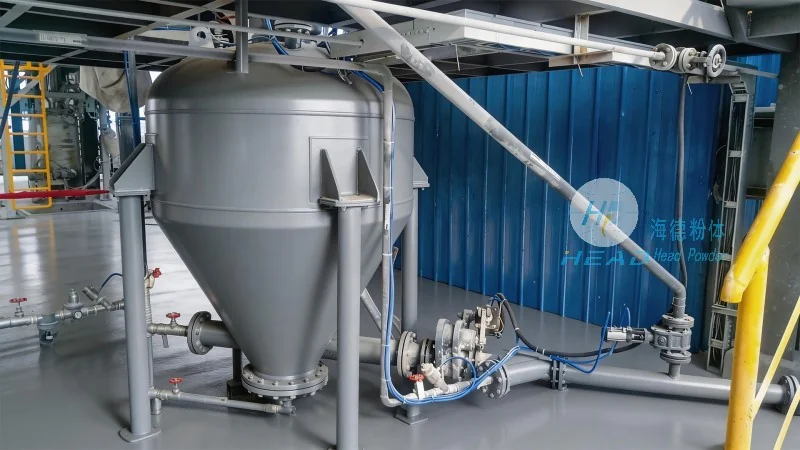
Application Scenarios in Industrial Settings
Sulfuric acid nickel pneumatic conveying is widely used in various industrial applications, including the production of nickel-based alloys, battery materials, and chemical intermediates. In battery manufacturing, for example, nickel compounds are often conveyed to mixing and coating processes where precise control over material composition is critical. The closed system and low contamination risk of pneumatic conveying ensure that the final product meets stringent quality standards. Similarly, in metal processing plants, the system facilitates the transport of nickel powders or granules from storage to smelting or refining equipment, optimizing production efficiency and reducing downtime. The versatility of pneumatic conveying also makes it suitable for handling other nickel-based materials, such as nickel sulfate or nickel oxide, which may have different physical properties and require tailored conveying parameters.
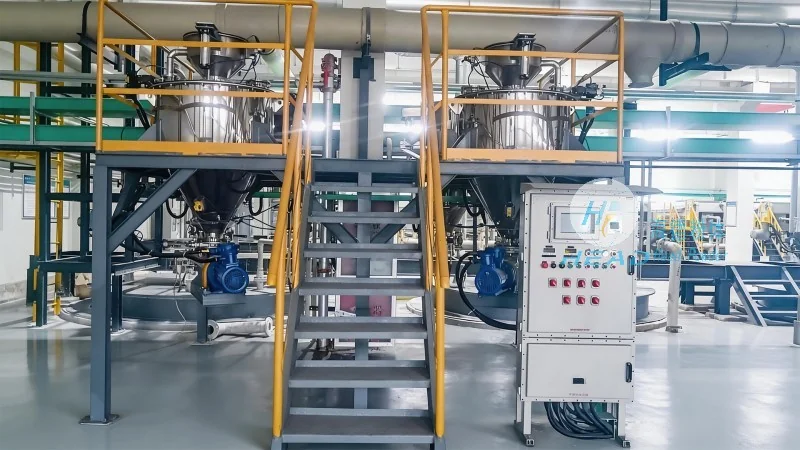
Operational Considerations and Best Practices
Implementing sulfuric acid nickel pneumatic conveying systems requires careful consideration of operational parameters and maintenance practices to ensure long-term reliability and performance. Regular monitoring of air pressure, flow rate, and material feed rates is essential to detect and address any deviations that may affect system efficiency. Additionally, proper filtration and cleaning of the air stream are necessary to prevent particle accumulation and maintain optimal conveying conditions. The use of high-quality materials for pipeline and equipment components, such as corrosion-resistant alloys, is crucial for extending the lifespan of the system and minimizing maintenance costs. Training operators on proper system operation and emergency procedures is also vital to ensure safe and efficient operation, especially in environments where nickel compounds may pose health or safety risks.
Conclusion
In conclusion, sulfuric acid nickel pneumatic conveying is a highly effective and versatile method for transporting nickel-based materials in industrial settings. By understanding the fundamental principles of pneumatic conveying and adapting them to the specific characteristics of sulfuric acid nickel, industries can achieve improved efficiency, reduced risk, and enhanced product quality. The work environment and operational scenarios of these systems are tailored to meet the demands of modern manufacturing, with continuous advancements in technology enabling further optimization and integration into existing processes. As a result, pneumatic conveying remains a critical component in the efficient handling of sulfuric acid nickel and other similar materials, supporting the growth and sustainability of various industrial sectors.