Glucose pneumatic conveying is a critical technology in material handling, particularly for transporting granular or powdered materials such as glucose. This method utilizes air as the conveying medium to move materials through a pipeline system. Understanding its fundamental principles and typical working scenarios is essential for optimizing material transport efficiency and ensuring operational reliability.
Principles of Glucose Pneumatic Conveying
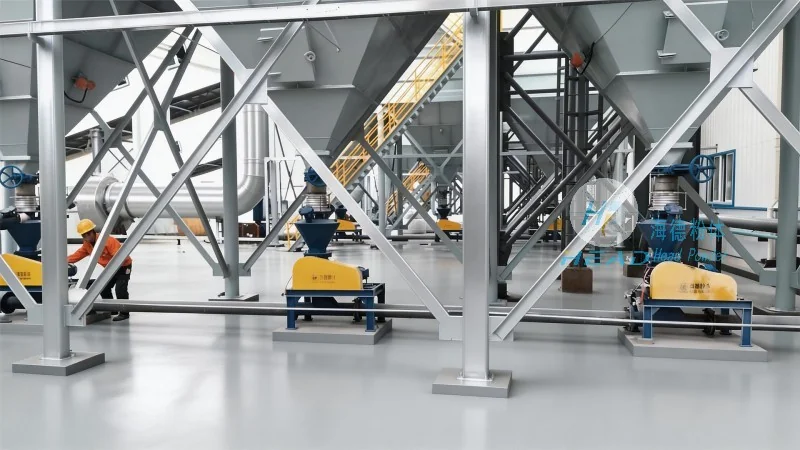
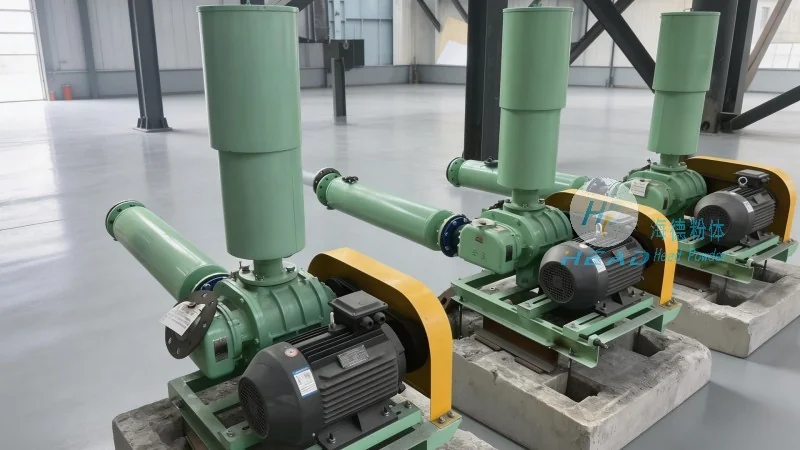
The core principle of pneumatic conveying for glucose revolves around creating a pressure differential within a closed pipeline system. By generating either positive pressure (pressure conveying) or negative pressure (suction conveying), the system can transport glucose from a source to a destination. In pressure conveying, a blower or compressor increases the air pressure inside the pipeline, pushing the glucose particles forward. In suction conveying, a vacuum pump reduces pressure at the receiving end, drawing the material through the line. The selection between these methods depends on factors like the distance, material properties, and system layout. For glucose, which is a hygroscopic and relatively fine powder, the system design must account for moisture absorption and particle flow characteristics to prevent blockages or degradation.
Working Scene Characteristics of Glucose Pneumatic Conveying
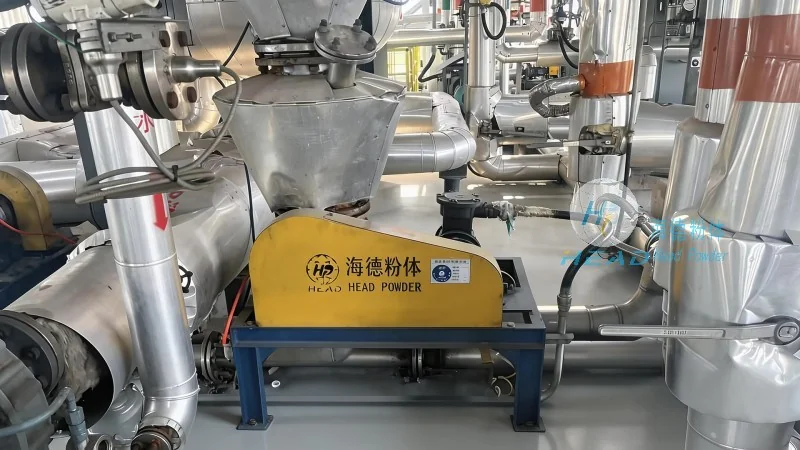
Glucose pneumatic conveying is widely applied across various industrial settings, each with distinct characteristics that influence system design and performance. In pharmaceutical and food processing industries, where hygiene and product purity are paramount, the conveying system must meet strict standards. This includes using stainless steel components, ensuring air filtration to prevent contamination, and maintaining a clean environment. The working scene often involves moving glucose from storage silos to processing lines, such as for the production of glucose syrups or other derivatives. In such applications, the system must handle varying flow rates and maintain consistent material quality. Another common scenario is in bulk handling facilities, where large quantities of glucose are transported between storage and packaging areas. Here, the system may incorporate multiple pipelines, storage silos, and control systems to manage the flow efficiently. The characteristics of these working scenes include high throughput requirements, the need for precise control over material movement, and the importance of minimizing product loss or degradation during transport.
Company Profile: Shandong HeadPowder Engineering Co., Ltd.
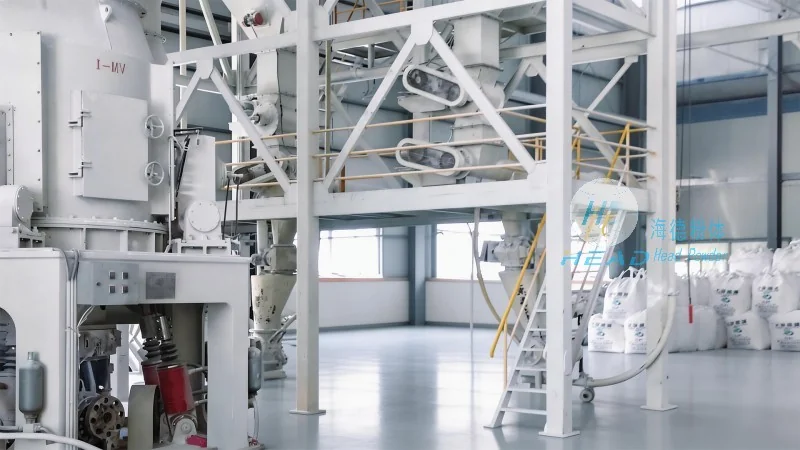
Shandong HeadPowder Engineering Co., Ltd., commonly known as HeadPowder, is a leading provider of specialized engineering solutions for material handling, including pneumatic conveying systems for glucose and other bulk materials. With a strong focus on innovation and quality, the company has developed advanced technologies to optimize the performance of conveying systems. HeadPowder's expertise lies in designing customized solutions that meet the specific needs of clients in the food, pharmaceutical, and chemical industries. The company's facilities are located in Shandong, China, where it leverages local resources and expertise to deliver high-quality products and services. By combining technical knowledge with practical experience, HeadPowder ensures that its conveying systems are reliable, efficient, and compliant with industry standards. The company's commitment to customer satisfaction and product excellence has made it a trusted partner for businesses seeking to improve their material handling processes.




