

Principle and Working Scene Characteristics of Pneumatic Conveying for Sand Particles
Pneumatic conveying, also known as pneumatic transport, is a method of transporting bulk materials through a pipeline using air or other gases as the conveying medium. This technology is widely used in various industries for its efficiency, flexibility, and ability to handle materials like sand particles. The process involves creating a pressure differential within the pipeline to move the material from the source to the destination. Understanding the principle behind this technology is crucial for optimizing its application in different working scenarios.
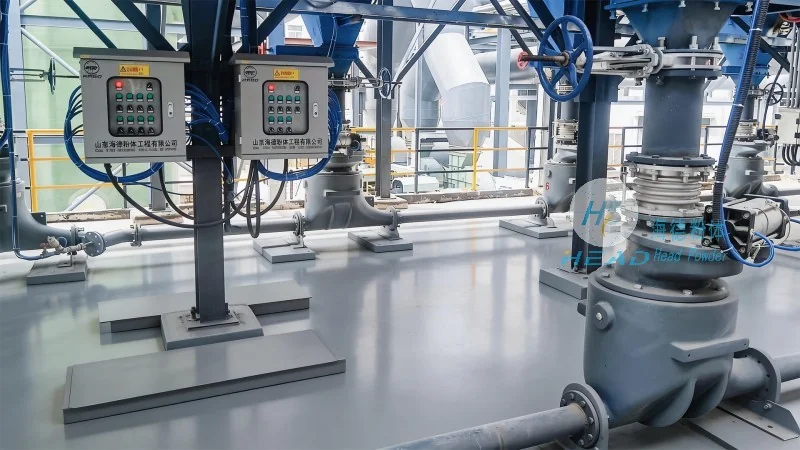
Principle of Pneumatic Conveying for Sand Particles
The core principle of pneumatic conveying for sand particles relies on the interaction between the material and the conveying air. When air is introduced into the pipeline, it creates a flow that can lift and transport the sand particles. There are two main types of pneumatic conveying systems: dilute-phase and dense-phase. Dilute-phase systems use high air velocities to transport materials in a dispersed state, while dense-phase systems use lower velocities and higher air-to-material ratios to move materials in a more concentrated form. For sand particles, the choice of system depends on factors such as particle size, moisture content, and the distance to be conveyed.
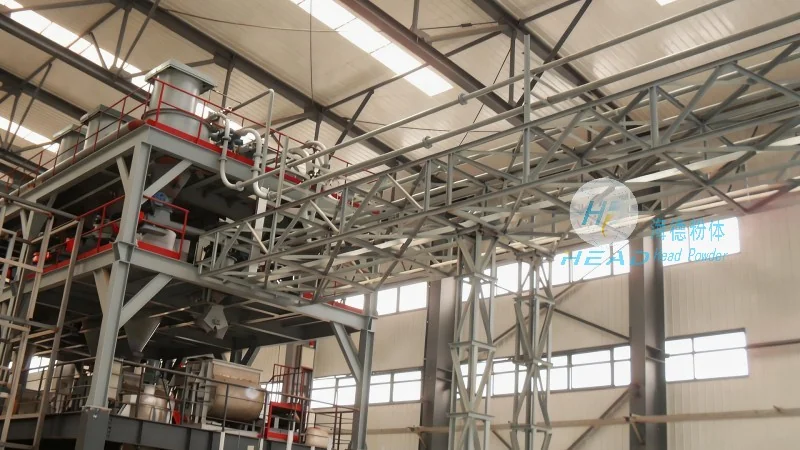
Working Scene Characteristics of Pneumatic Conveying Systems
The working scene characteristics of pneumatic conveying systems for sand particles vary based on the specific application. In construction sites, for example, these systems are used to transport sand from stockpiles to mixing stations or to different construction areas. The key advantages in such scenarios include reduced labor costs, minimized material loss, and improved safety by eliminating manual handling. In industrial settings, such as foundries or cement plants, pneumatic conveying is used to transport sand to processing equipment or storage silos. The systems are designed to handle high volumes of material with minimal maintenance, making them suitable for continuous operation.
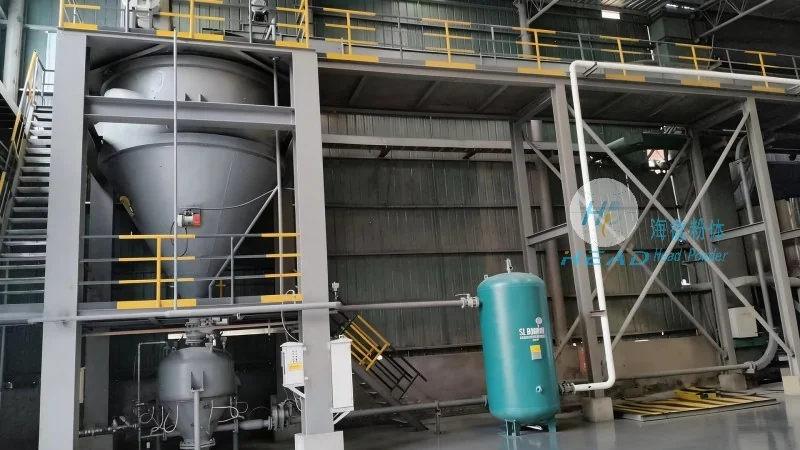
Key Features and Benefits for Sand Particle Transport
HeadPowder Engineering, a leading provider of pneumatic conveying solutions, offers advanced systems tailored for sand particle transport. The company's solutions are designed to address the unique challenges of handling sand, including its abrasive nature and potential for clogging. Key features include robust material handling components, such as high-efficiency cyclones and flexible hoses, which ensure efficient separation and transport. The systems are also equipped with advanced control systems that optimize air pressure and flow rates, enhancing overall performance and reducing energy consumption. The benefits of using these systems include increased productivity, improved material quality, and enhanced operational safety.
Application Examples and Case Studies
HeadPowder Engineering has successfully implemented pneumatic conveying systems for sand particles in various projects across China. For instance, in a construction project in Shandong, the company's system was used to transport sand from a remote quarry to the construction site, covering a distance of over 1 kilometer. The system was able to handle the high volume of sand with minimal downtime, contributing to the project's timely completion. Another application was in a cement plant, where the system was used to convey sand from storage silos to the raw material processing line. The system's ability to maintain consistent flow rates and handle varying particle sizes ensured smooth operation and reduced production delays.
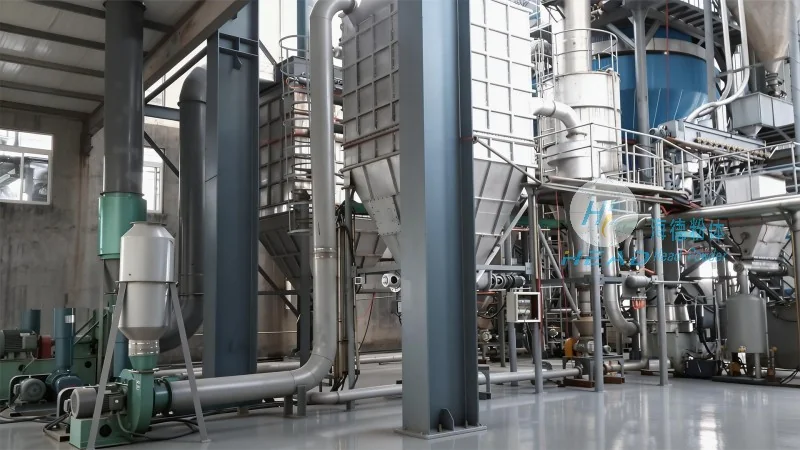
Conclusion and Company Overview
Pneumatic conveying of sand particles is a highly effective method for material transport, offering numerous advantages over traditional methods. HeadPowder Engineering, with its headquarters in Shandong, China, specializes in designing and manufacturing customized pneumatic conveying systems that meet the specific needs of clients. The company's expertise in material handling and process optimization ensures that its solutions are reliable, efficient, and cost-effective. By leveraging advanced technology and a deep understanding of the industry, HeadPowder Engineering continues to provide high-quality solutions for sand particle transport, supporting the growth and development of various industries.