

Principle and Working Scenario Characteristics of Paddy Husk Material Pneumatic Conveying
Shandong HeadPowder Engineering Co., Ltd., commonly known as HeadPowder, is a leading manufacturer specializing in pneumatic conveying solutions for bulk material handling. With its headquarters located in Shandong, China, the company has established itself as a trusted provider of advanced material transport technologies, particularly for agricultural waste processing applications. This article explores the fundamental principles of paddy husk pneumatic conveying and highlights the key characteristics of its working scenarios, providing insights into how these systems enhance operational efficiency in rice milling and related industries.
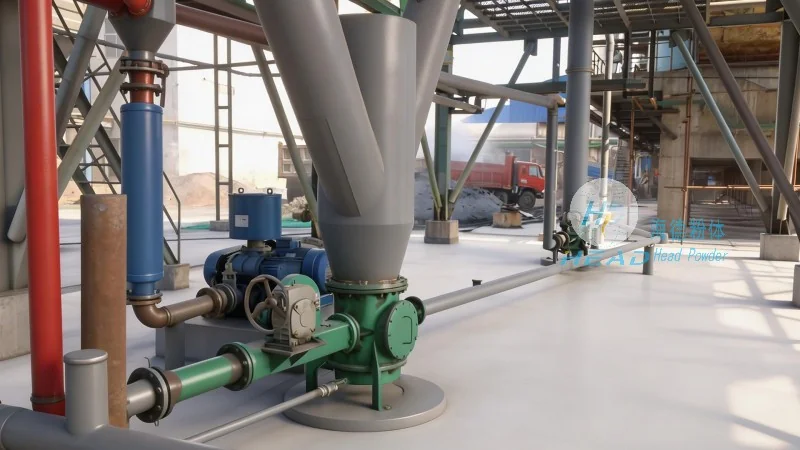
The Core Principle of Paddy Husk Pneumatic Conveying
Paddy husk pneumatic conveying relies on the fundamental principle of transporting bulk materials using an air stream within a closed pipeline system. The process involves creating a pressure differential between the material inlet and the discharge point, which propels the husk particles along with the air flow. A typical conveying system consists of several critical components: a storage hopper to hold the raw paddy husk, a blower or compressor to generate the necessary air pressure, a pipeline network that routes the material to its destination, and a discharge unit that separates the material from the air stream. The efficiency of the system depends heavily on the design of these components, as well as the physical properties of the paddy husk, such as its density, moisture content, and particle size distribution. For instance, the moisture content of the husk can affect its flowability and the air pressure required for effective transport, while the particle size may influence the choice of pipeline diameter and blower capacity.
Key Working Scenario Characteristics
The working scenario characteristics of paddy husk pneumatic conveying systems are tailored to the specific operational requirements of agricultural processing facilities. These systems are predominantly used in rice mills where paddy husk is generated as a byproduct of the rice milling process and needs to be transported to storage silos or further processing units. One of the primary advantages of pneumatic conveying in this context is its ability to handle large volumes of material with minimal labor and space requirements. Unlike traditional mechanical conveyors, which may require multiple transfer points and complex infrastructure, pneumatic systems can transport material over longer distances with a single pipeline, reducing the overall footprint of the processing facility. Additionally, the enclosed pipeline design helps to contain dust and prevent environmental contamination, which is crucial for maintaining compliance with environmental regulations in agricultural processing.
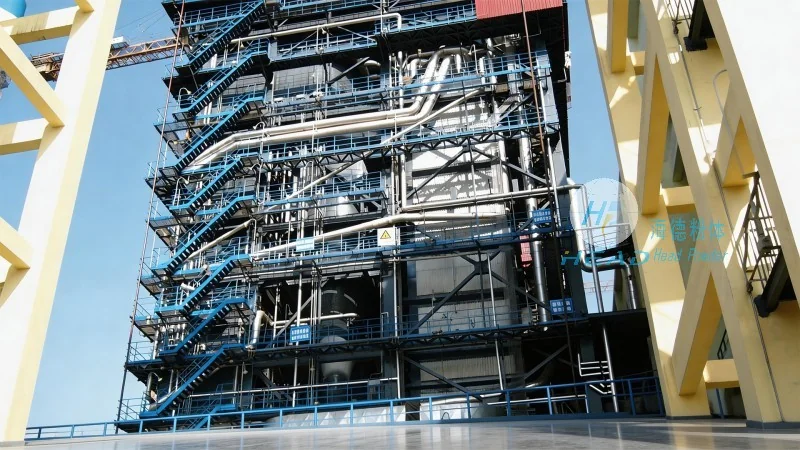
Efficiency and Cost-Effectiveness in Paddy Husk Handling
Paddy husk pneumatic conveying systems are designed to deliver high efficiency and cost-effectiveness in material transport operations. The systems typically achieve high transport rates, often ranging from 5 to 20 tons per hour, depending on the system configuration and the properties of the husk. This high throughput is achieved through the use of optimized air flow rates and pipeline diameters, which minimize energy consumption while maximizing material movement. The energy efficiency of the system is further enhanced by the use of variable frequency drives (VFDs) for the blower, allowing for adjustable air pressure based on the actual material load. This dynamic control helps to reduce energy waste during periods of low material flow, such as between batches or during maintenance. In terms of operational costs, pneumatic conveying systems have lower maintenance requirements compared to mechanical conveyors, as they have fewer moving parts and are less prone to wear and tear from abrasive material particles. The reduced need for frequent maintenance translates into lower downtime and higher overall productivity for the processing facility.
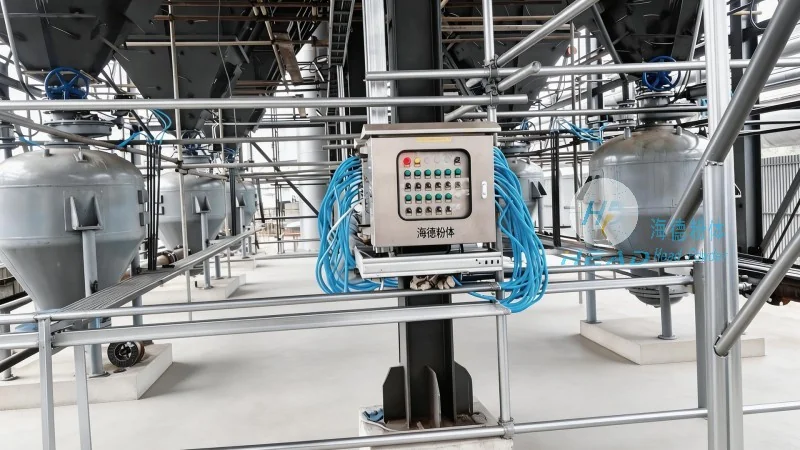
Integration with Existing Processing Lines
Another important characteristic of paddy husk pneumatic conveying systems is their flexibility in integrating with existing processing lines. Many rice mills already have established infrastructure for material handling, and pneumatic conveying systems can be designed to interface seamlessly with these existing components. For example, the storage hopper of the conveying system can be connected to the discharge outlet of the rice mill's husk separator, allowing for a continuous flow of material from the milling process to the storage or processing unit. This integration minimizes the need for additional equipment and reduces the complexity of the overall system. Furthermore, the modular design of pneumatic conveying systems enables easy expansion or modification as the production capacity of the facility increases. Whether a mill is expanding its processing capacity or adding new processing stages, the conveying system can be scaled up or adapted to meet the new requirements without significant disruption to the existing operations.
Environmental and Safety Considerations
Paddy husk pneumatic conveying systems also offer significant environmental and safety benefits compared to traditional material handling methods. The enclosed pipeline design prevents dust from being released into the workplace, reducing the risk of respiratory issues for workers and minimizing the need for dust control measures such as ventilation systems. This not only improves workplace safety but also helps to comply with occupational health and safety regulations. Additionally, the reduced dust generation contributes to a cleaner working environment, which can enhance the overall productivity and morale of the workforce. From an environmental perspective, the use of pneumatic conveying helps to minimize the impact of paddy husk on the surrounding environment by containing the material within the pipeline system. This reduces the risk of soil contamination or water pollution from dust or husk particles, which is particularly important in agricultural processing facilities located near natural water sources or residential areas.