

Principles and Working Scene Characteristics of Powdered Baking Soda Pneumatic Conveying
HeadPowder, a leading manufacturer in the field of powder handling and conveying systems, specializes in advanced pneumatic conveying solutions for various industrial applications. This article explores the fundamental principles behind the pneumatic conveying of powdered baking soda, along with the key characteristics of working environments where such systems are commonly employed.
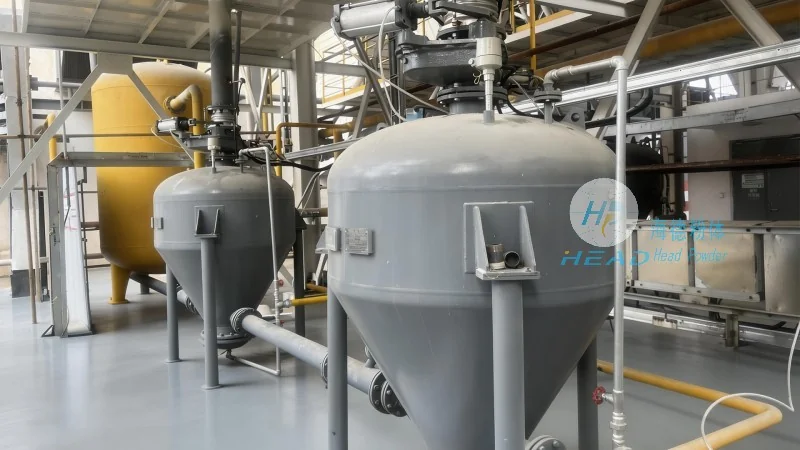
Understanding Pneumatic Conveying Systems for Powdered Baking Soda
Pneumatic conveying is a method of transporting bulk materials, such as powdered baking soda, through a pipeline using a gas stream, typically air. The process involves several core components that work in tandem to ensure efficient and reliable material transfer. At the heart of the system is a blower or compressor that generates the necessary air pressure to move the powder. The powder is then introduced into the pipeline, often via a hopper or feeder, and is carried by the moving air. The system may include various accessories like filters, cyclones, and silos to manage dust, separate the conveyed material from the air, and store the product.
Key Principles of Pneumatic Conveying for Powdered Baking Soda
The effectiveness of pneumatic conveying for powdered baking soda relies on several key principles. First, the material's particle size and density are critical factors. Finer powders may require higher air velocities to maintain suspension, while larger particles might need more pressure or different system designs. Second, the system's design must consider the material's flowability and potential for caking or bridging, which can affect the conveying efficiency. Third, the air-to-material ratio is a crucial parameter; an optimal ratio ensures that the powder is fully suspended without excessive energy consumption. Additionally, the system must be equipped with proper filtration and separation mechanisms to prevent dust accumulation and maintain air quality, which is vital for both operational safety and product purity.
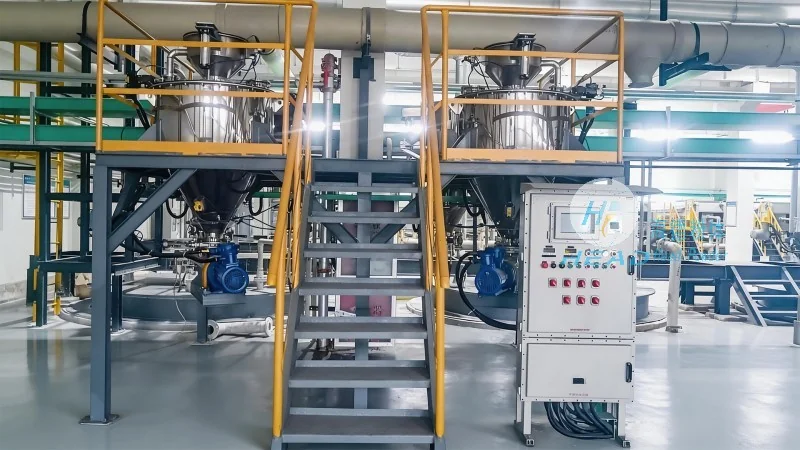
Working Scene Characteristics of Pneumatic Conveying Systems
The working environments where pneumatic conveying systems for powdered baking soda are utilized often exhibit specific characteristics that influence system design and performance. These scenes typically involve industrial settings such as food processing plants, pharmaceutical manufacturing facilities, or chemical production sites, where the need for hygienic, dust-free, and efficient material handling is paramount. The systems are commonly employed in scenarios where traditional gravity or mechanical conveying methods are impractical due to the material's properties or the layout of the facility.
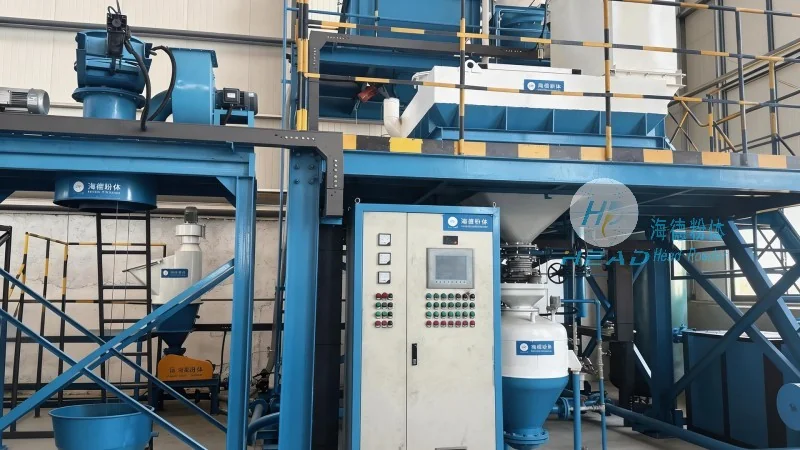
In food processing applications, for instance, the systems must adhere to strict hygiene standards, with components made from food-grade materials and easy-to-clean surfaces. This ensures that the powdered baking soda remains free from contamination and meets regulatory requirements for food safety. Similarly, in pharmaceutical settings, the systems are designed to maintain aseptic conditions, with HEPA filters and sterile components to prevent microbial contamination. The working scenes may also involve high-volume production lines where continuous and reliable material transfer is essential to maintain production efficiency.
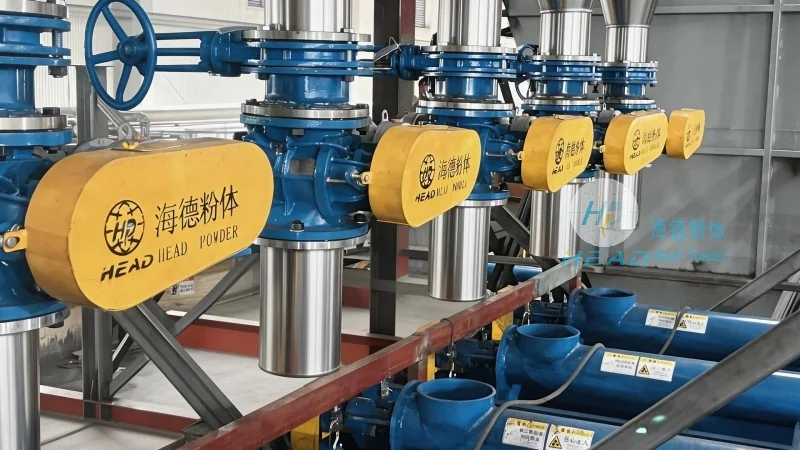
Advantages of Pneumatic Conveying in Powdered Baking Soda Handling
Pneumatic conveying systems offer several advantages when handling powdered baking soda. One of the primary benefits is the ability to transport materials over long distances without the need for intermediate storage or transfer points, which can reduce operational costs and improve overall efficiency. The systems are also highly flexible, allowing for changes in material flow rates or direction without significant modifications. Additionally, pneumatic conveying can handle materials with varying properties, including those that are abrasive or have a tendency to agglomerate, by adjusting the air pressure and velocity as needed. The enclosed nature of the system also minimizes dust exposure, enhancing workplace safety and reducing the risk of product contamination.
Applications and Industry Impact
The applications of pneumatic conveying for powdered baking soda span across multiple industries, contributing to improved operational efficiency and product quality. In the food industry, these systems are used to transport baking soda from storage to production lines, ensuring consistent and hygienic handling. In the chemical industry, they facilitate the transfer of baking soda in manufacturing processes, supporting the production of various chemical products. The systems also play a role in pharmaceutical applications, where the precise and clean handling of ingredients is critical for drug formulation. By leveraging the principles of pneumatic conveying, industries can achieve more reliable, efficient, and cost-effective material handling solutions, ultimately enhancing their overall productivity and competitiveness.