

Principle and Working Scene Characteristics of Mineral Powder Pneumatic Conveying
HeadPowder, a leading provider in the field of pneumatic conveying technology, specializes in the efficient transportation of mineral powders. This article delves into the fundamental principles of mineral powder pneumatic conveying and highlights the key characteristics of its application scenarios.
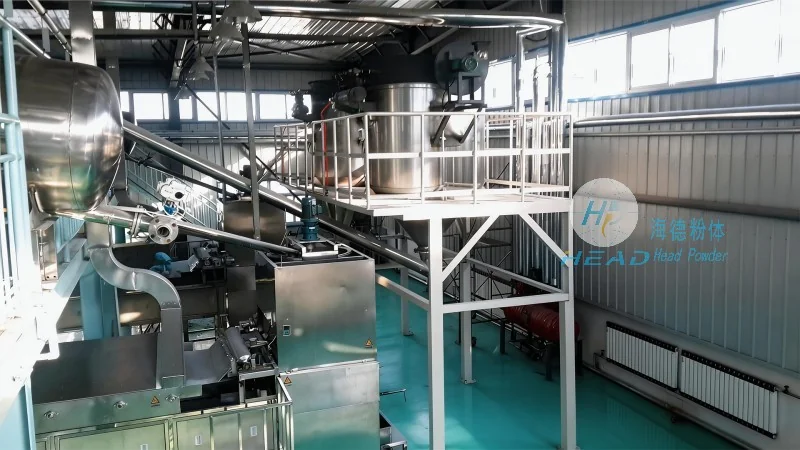
Introduction to Mineral Powder Pneumatic Conveying
Pneumatic conveying is a method used to transport bulk materials, such as mineral powders, through a pipeline using air or other gases. The process involves creating a pressure differential within the system to move the material from the source to the destination. This technology offers significant advantages over traditional methods like belt conveyors or bucket elevators, particularly in terms of flexibility, cleanliness, and the ability to handle fine or dusty materials without the risk of contamination or degradation.
The Core Principle of Pneumatic Conveying
The principle of pneumatic conveying for mineral powders is based on the interaction between the material particles and the conveying air. In a typical system, the mineral powder is introduced into a hopper or feeder, where it is then drawn into a pipeline by a fan or blower. The air flow creates a negative pressure (suction) or positive pressure (blowing) within the system, depending on the application. The material is suspended in the air stream and transported through the pipeline to the discharge point. The key factors influencing the efficiency of this process include the air velocity, particle size, density, and the system's pressure differential. Proper design of the conveying line, including the diameter and length of the pipe, as well as the placement of bends and elbows, is crucial to ensure smooth and continuous operation.
Working Scene Characteristics of Mineral Powder Pneumatic Conveying
The application scenarios for mineral powder pneumatic conveying are diverse and tailored to specific industrial needs. These characteristics include:
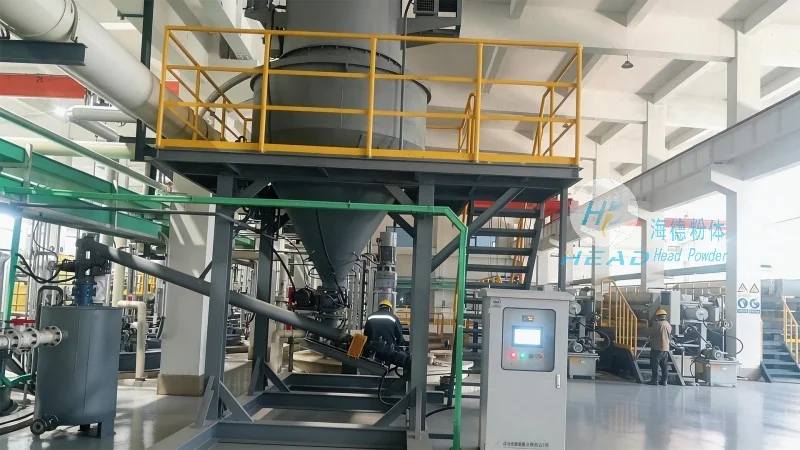
1. Flexibility in Layout: Pneumatic conveying systems can be easily integrated into existing industrial layouts, allowing for the transportation of materials between different locations without the need for complex structural modifications. The ability to route the pipeline around obstacles or through multiple levels makes it highly adaptable to various plant configurations.
2. Cleanliness and Hygiene: Unlike mechanical conveyors, pneumatic systems do not come into direct contact with the material, reducing the risk of contamination and ensuring that the transported mineral powders remain free from external impurities. This is particularly important in industries such as food processing, pharmaceuticals, and chemical manufacturing, where product purity is paramount.
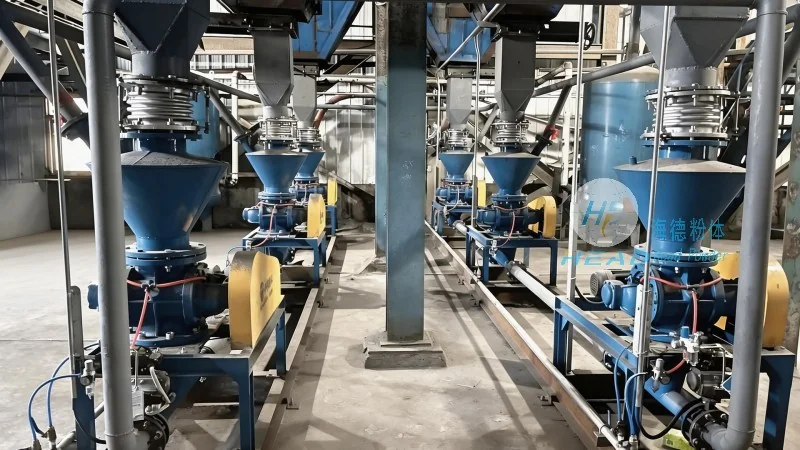
3. Reduced Downtime and Maintenance: Pneumatic conveying systems typically have fewer moving parts compared to mechanical alternatives, leading to lower maintenance requirements and reduced downtime. The absence of belts, chains, or buckets minimizes the risk of mechanical failure and simplifies routine inspections and repairs.
4. Efficient Material Handling: The technology is highly effective in handling fine or cohesive mineral powders that are difficult to transport using traditional methods. The air flow helps to break up agglomerates and maintain a consistent flow rate, ensuring reliable and continuous material transfer. This efficiency is crucial for maintaining production throughput and minimizing material losses.
Conclusion
Mineral powder pneumatic conveying, as explained by HeadPowder, is a sophisticated and efficient method for transporting bulk materials. By understanding the core principles and leveraging the working scene characteristics, industries can optimize their material handling processes, enhance operational efficiency, and ensure product quality. HeadPowder, with its expertise in pneumatic conveying technology, provides tailored solutions that meet the specific needs of various industrial applications, contributing to improved productivity and cost-effectiveness.